Key Takeaways on how to travel with strangers safely (Quick Summary):
- Why travel with strangers? Traveling with strangers builds cognitive flexibility, expands your worldview through diverse encounters, and offers the perfect balance of socialization and independence.
- How to do it safely: Establish clear communication upfront, set boundaries, share expenses transparently using a group fund or app, and always maintain an emergency buddy system.
- The psychological edge: Stepping outside your established social circles allows you to break free from routine expectations and discover new facets of your own personality.
Solo travel grows more popular every year, but seeking independence doesn’t mean we want to abandon human connection. While there is plenty to learn from a quick chat with the person sitting next to you on a bus, the real magic happens when you actively choose to embark on a journey with people you don’t know.
Inspired by the transformative journey in the movie Tamasha, choosing to travel with strangers is a powerful way to break free from routine. By stepping away from the expectations of friends and family, you allow yourself to discover a completely different side of your personality through shared, unexpected adventures.
From a travel psychology perspective, here are five incredible benefits of taking a trip with strangers.
“Most travel, and certainly the rewarding kind, involves depending on the kindness of strangers, putting yourself into the hands of people you don’t know and trusting them with your life.”
– Paul Therox
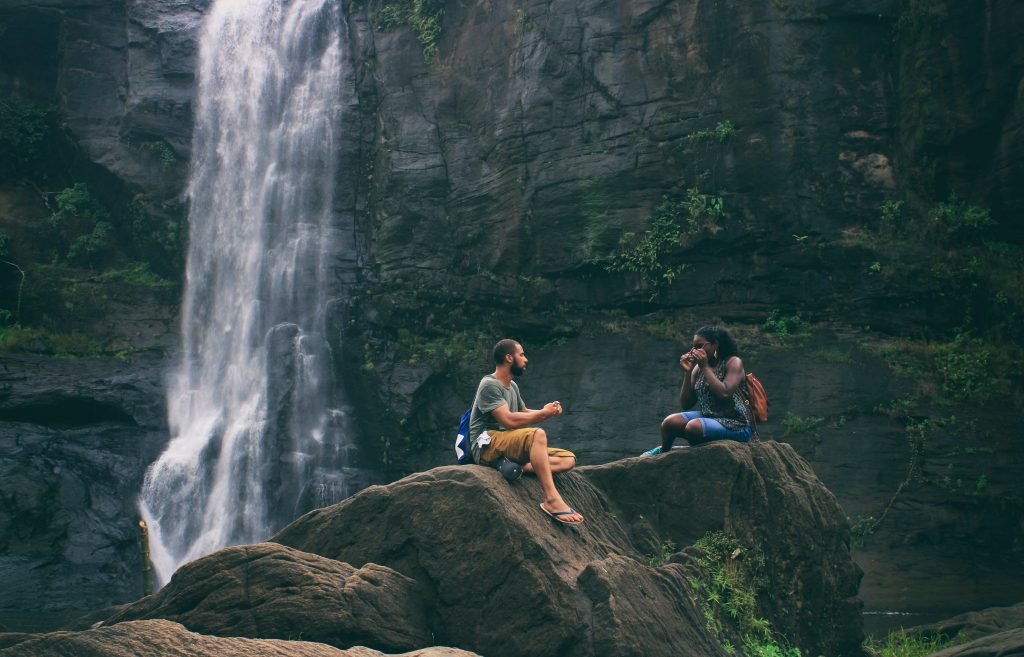
5 Psychological Benefits of Traveling with Strangers
What if the ultimate catalyst for your personal growth is a group of people you haven’t even met yet? Stepping away from the familiar expectations of friends and family to safe travel with strangers is a profound psychological reset. It builds cognitive flexibility, challenges your worldview, and allows you to rediscover yourself on a completely blank slate. Here are five surprising psychological benefits of exploring the world with strangers. Here are 5 Psychological Benefits of Traveling with Strangers-
1. Combining Your Unique Strengths
When you travel with a diverse group, you pool together a wide array of skills. You’ll swap travel hacks, share staycation secrets, and naturally divide tasks based on strengths. If you’re navigating a remote part of Gujarat and someone in the group suddenly needs help, you might be the one to whip out your rusty high-school Gujarati, while someone else might be an expert at reading local transit maps.
2. Enjoying “Opt-In” Socialization
Traveling with family or close friends can sometimes feel overwhelming because there is an unspoken expectation to be “on” all the time. With strangers, boundaries are often clearer. You have the flexibility to socialize when you want, chatting on a hostel couch about the incredible street food you just ate or retreat to your room for quiet time without offending anyone.
3. Building a Global Network
When you join a group trip of strangers, you are pre-selecting for open-minded, friendly, and adventurous individuals. Because these people have no preconceived notions about your past, they accept you exactly as you present yourself in the moment. These fast-forged travel bonds frequently turn into lifelong friendships and future travel networks.
4. Establishing Cognitive Flexibility
Sharing a tiny space with five people you’ve never met forces you to adapt. You will undoubtedly encounter quirks and habits drastically different from your own. Learning to accommodate these differences builds psychological resilience and cognitive flexibility. You quickly realize that different ways of doing things aren’t necessarily “wrong” they are simply different.
5. Expanding Your Worldview and Empathy
A person raised in a tight-knit family in a small town perceives the world differently than someone who has lived independently in a bustling metropolis. The more you listen to the life stories of strangers, the wider your own scope becomes. Engaging with individuals across different age groups and backgrounds develops profound empathy, often helping you view your own life and even your family dynamics from a completely new perspective.

How to Create a Successful Trip with Strangers
If you are ready to go off the beaten path with new companions, structure is just as important as spontaneity. Follow these guidelines to ensure group harmony and safety:
- Plan and Research Collaboratively: Before the trip, share ideas, preferences, and must-visit destinations. Fostering a sense of unity early ensures everyone feels their interests are valued.
- Establish Clear Communication: Set up a dedicated group chat (like WhatsApp or Telegram) to keep everyone in the loop regarding schedules and updates.
- Respect Personal Space and Boundaries: Acknowledge that everyone has different social batteries and comfort levels. Respecting these boundaries prevents burnout and conflict.
- Share Expenses Transparently: Money is a common stressor in group travel. Agree on a transparent system for splitting costs (using apps like Splitwise) for accommodations, meals, and transport to eliminate friction.
- Prioritize Group Safety: Always let someone back home know your itinerary. Within the group, establish a buddy system, share emergency contact information, and always trust your instincts.
Why Travel Psychology Matters to Travel with strangers
Travelling with strangers can be an exciting and rewarding adventure when approached with care, communication, and respect. By taking these small steps, you’ll be well-prepared to embark on a memorable journey, creating lasting friendships and unforgettable experiences along the way. Safe stress-free travels!
Navigating the dynamics of a new group in an unfamiliar environment can be deeply rewarding, but it also requires emotional intelligence. Applying principles of Travel Therapy helps you orient yourself not just geographically, but socially. Understanding the psychological underpinnings of cultural norms and human behavior allows you to establish rapport faster and turn a group of strangers into a cohesive, supportive travel family.
Author – Mitesh Jain is a travel psychologist at Mandeha and the lead researcher behind Mandeha’s Travel Psychology Journey program. If you’d like support preparing for your first — or next — solo trip, explore our Travel Psychology services or get in touch directly.
Frequently Asked Questions
Is it safe to travel with strangers?
Yes, traveling with strangers can be safe if you take standard precautions. Always vet the group or tour operator beforehand, establish a buddy system, share your itinerary with family back home, and communicate safety protocols with your new travel companions.
How do you make friends when traveling alone?
You can make friends by staying in communal spaces like hostels, booking group walking tours, joining local classes, or specifically booking group trips designed for solo travelers looking to meet like-minded people.
How do I find the right group of strangers to travel with?
Start by looking for niche travel agencies, wellness retreats, or group tours that align with your specific interests rather than just a destination. Many modern group travel companies curate experiences based on shared goals, such as cultural immersion, psychological growth, or high-energy adventure. Always read reviews and speak with the trip organizer beforehand to ensure the intended group dynamic and pace fit your personality and travel style.
How do I manage social anxiety when joining a group of strangers?
It is completely normal to feel anxious before a group trip. To manage social fatigue, set clear boundaries early on, give yourself permission to skip an optional activity or take a quiet walk alone to recharge. Focus on building rapport through one-on-one conversations rather than trying to engage the whole group at once. Remember that shared travel experiences, like navigating a new city or enjoying a breathtaking view, act as natural icebreakers that quickly ease social tension.