Travel Psychology

Flat lay illustration of an open travel journal with a balloon sketch and a pressed flower, surrounded by a fountain pen, train ticket, compass and folded map.

Travel Journaling: A Simple Practice for Better Mental Health on Trip

Quick Answer: Travel journaling is the habit of capturing your thoughts, feelings and observations while you travel, using words, photos or voice notes. It takes five minutes a day, helps you process what you experience, and supports your wellbeing on the road. Mandeha’s LEGIT Travel Psychology Framework gives each entry a simple five-step structure. It

Travel Journaling: A Simple Practice for Better Mental Health on Trip Read More »

Illustration of five friends holding hands on a mountain viewpoint, looking out over snowy peaks and a pine valley, reflecting the psychology of traveling with friends.

The psychology of traveling with friends: Why it isn’t an escape, it’s a trust exercise

Quick Answer: The psychology of traveling with friends shows that group trips are rarely about avoiding loneliness. They’re about building trust. Shared travel puts people through stress, decisions, and unfamiliar situations together, and psychologists say these repeated moments are what deepen a friendship’s sense of security. You book the trip. You split the itinerary. You

The psychology of traveling with friends: Why it isn’t an escape, it’s a trust exercise Read More »
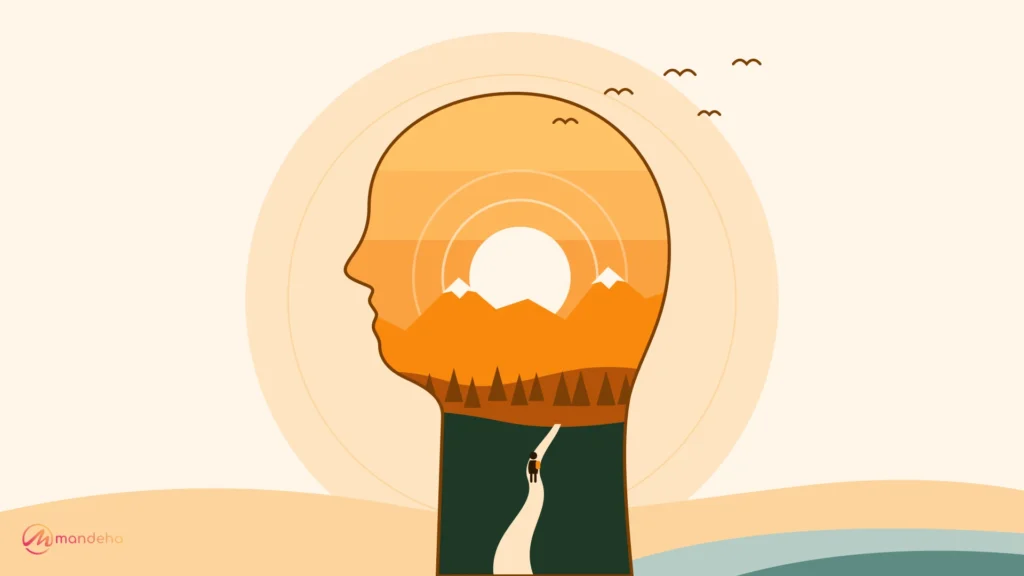
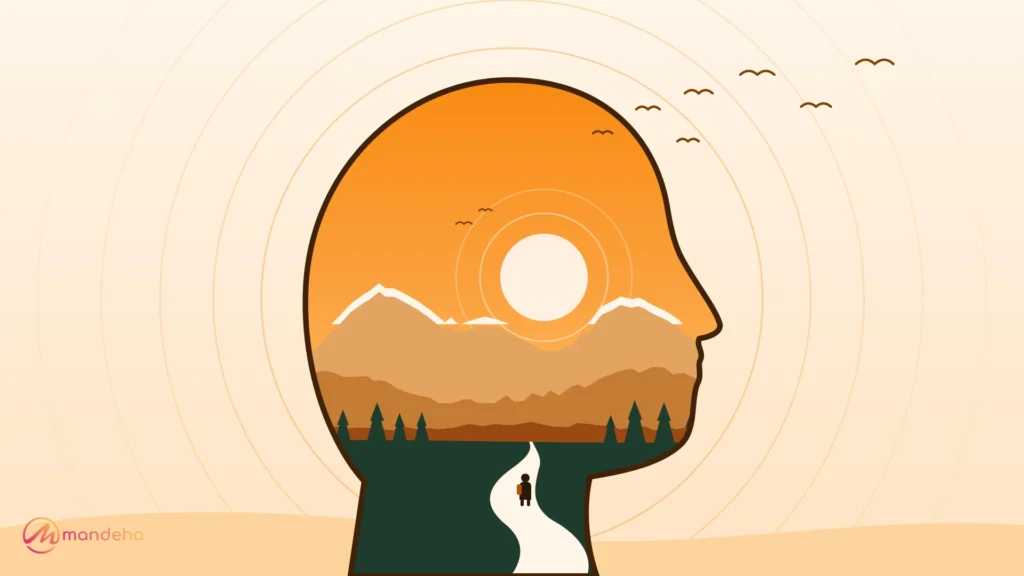
Flat illustration of a head in profile filled with calm hills, a soft sun and a small traveller on a winding path, showing the benefits of travel psychology.

The Benefits of Travel Psychology: The Science Behind Why Travel Changes Your Mind

Quick Answer: The benefits of travel psychology come from understanding why a trip changes how you feel – not just that it does. Travel lowers stress hormones, rebuilds a sense of identity and competence, and reshapes memory and meaning, but these effects work differently depending on how the trip is designed and how present you

The Benefits of Travel Psychology: The Science Behind Why Travel Changes Your Mind Read More »
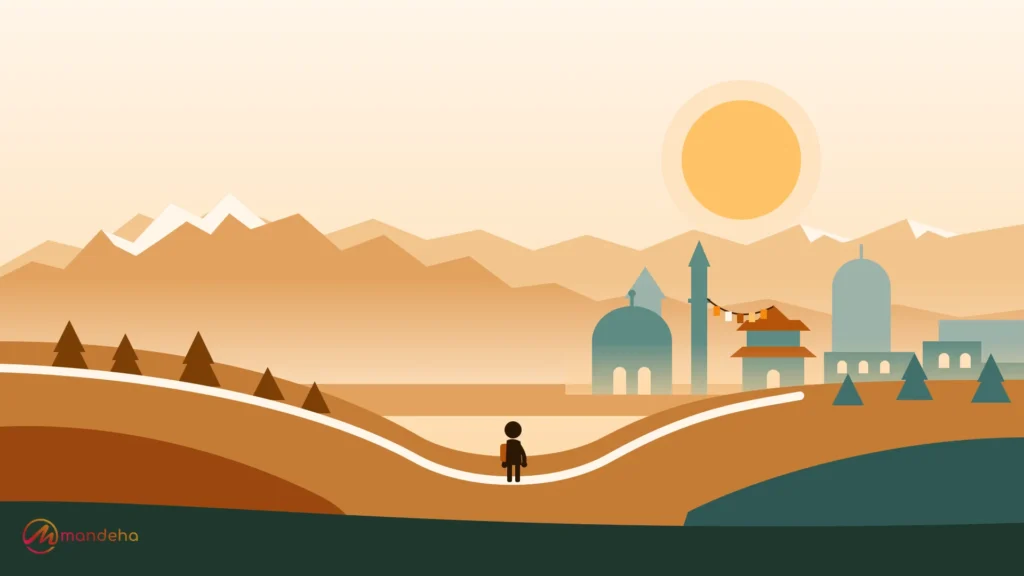
A solo traveller with a backpack walks a winding path through teal hills dotted with pine trees, under a soft sun.

The Psychology of Solo Travel: Why Going Alone Changes You

Quick Answer: The psychology of solo travel centers on self-efficacy, identity reconstruction, and autonomous decision-making. Without a companion to defer to, every choice becomes yours – and research shows this specific kind of unshared responsibility is what drives the confidence, self-discovery, and personal growth solo travelers consistently report. There’s a particular kind of moment every

The Psychology of Solo Travel: Why Going Alone Changes You Read More »

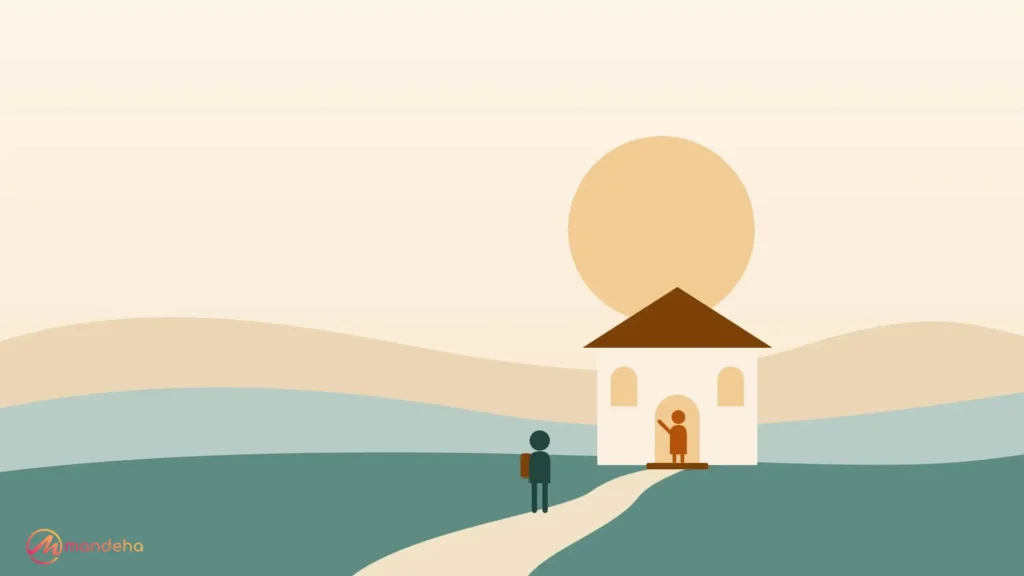
Illustration of a traveller walking up a winding path to a guesthouse, where a host waits in a warmly lit doorway, showing the benefits of hospitality psychology.

Benefits of Hospitality Psychology: A Psychologist’s Guide

Written for hotel and resort teams. If you’re looking for the personal, traveler-facing benefits of a trip, see our pillar guide, Benefits of Travel Psychology. Quick Answer: The benefits of hospitality psychology include higher guest satisfaction, stronger loyalty, lower staff turnover, and more memorable service – because it treats guest experience as a mental and

Benefits of Hospitality Psychology: A Psychologist’s Guide Read More »

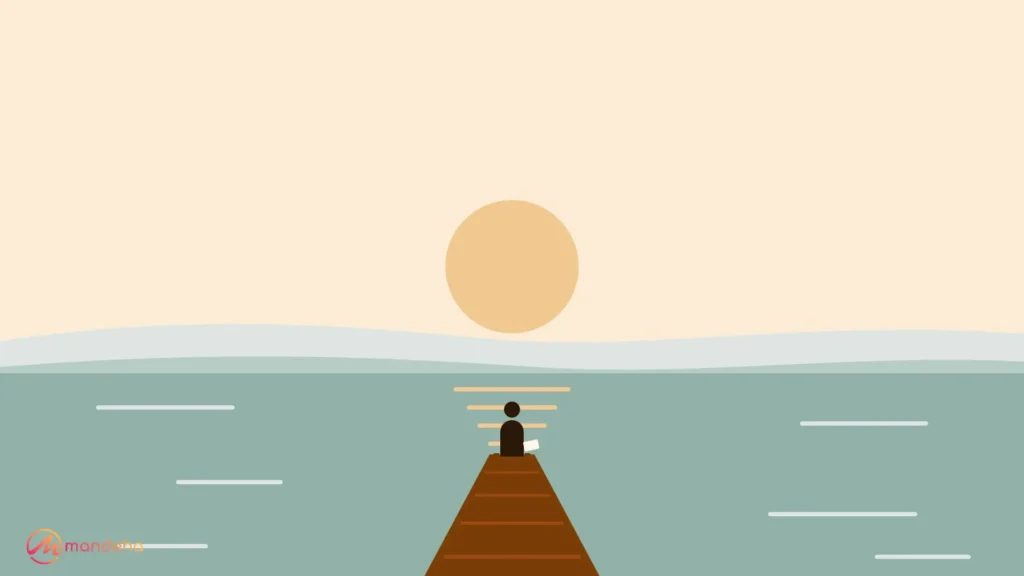
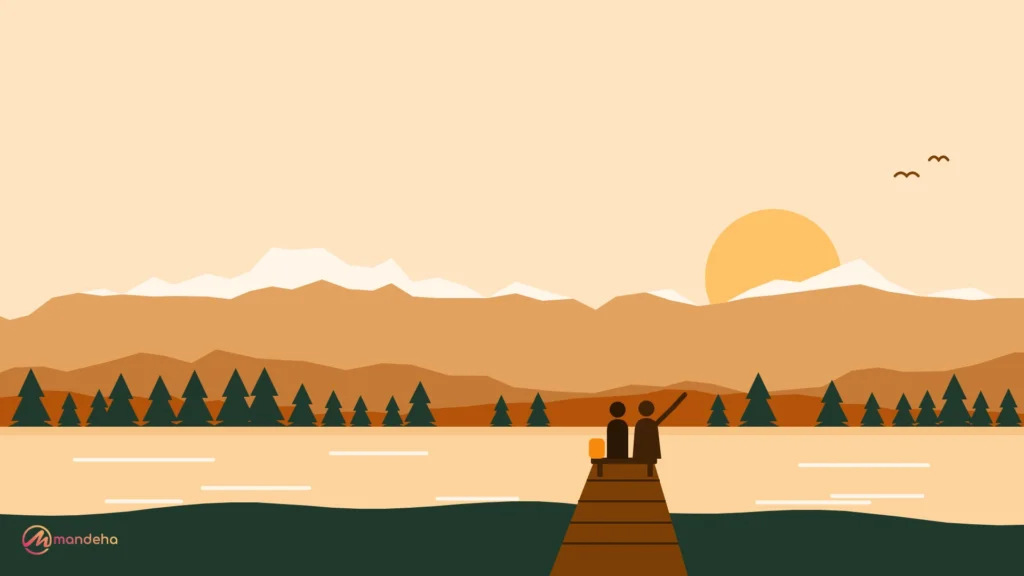
Illustration of a traveller sitting with a journal at the end of a wooden jetty, looking across a calm lake toward soft hills and the sun.

Benefits of Tourism Psychology: Why Travel Changes You

Quick Answer: Tourism psychology is a specialized branch within the broader field of travel psychology, focused specifically on how destinations, trip structure, and tourism design – not just individual mindset – shape traveler wellbeing. Where you go and how a trip is built determine which psychological mechanism gets activated: stress recovery, identity growth, or social

Benefits of Tourism Psychology: Why Travel Changes You Read More »

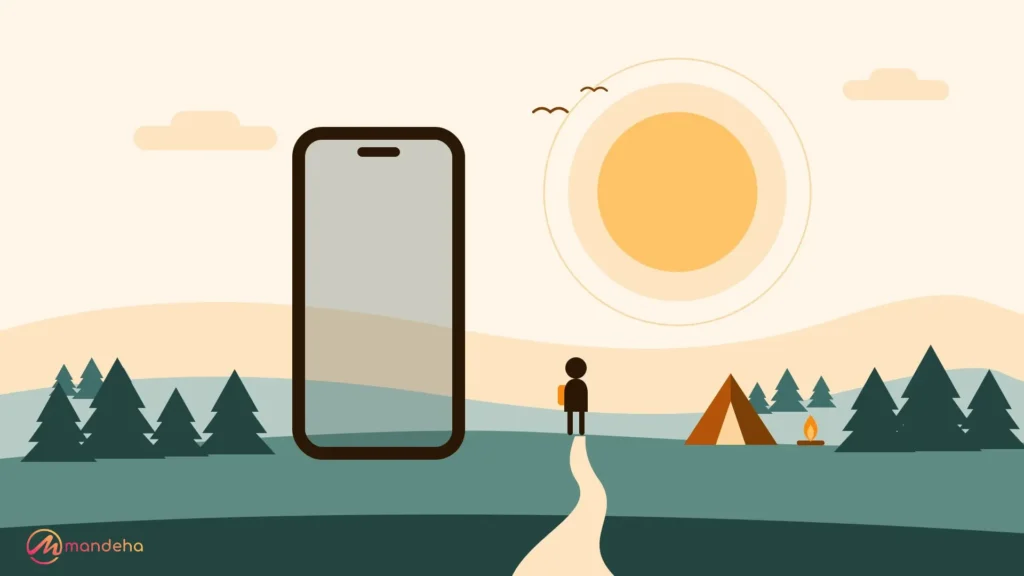
A large phone outline frames a dimmed slice of sage hills while a traveller beside it looks out at a golden sun, with a tent, a small campfire and pine trees nearby.

How to Digital Detox While Traveling: A Psychologist Explains Why You Can’t Put Your Phone Down

Quick Answer: Digital detox while traveling means deliberately reducing phone and social media use during a trip so your attention settles into the present moment rather than being drawn to your device. It works by removing constant micro-interruptions; notifications, feeds, work pings; that keep your brain in low-grade alert. Most travelers notice a calmer mood,

How to Digital Detox While Traveling: A Psychologist Explains Why You Can’t Put Your Phone Down Read More »

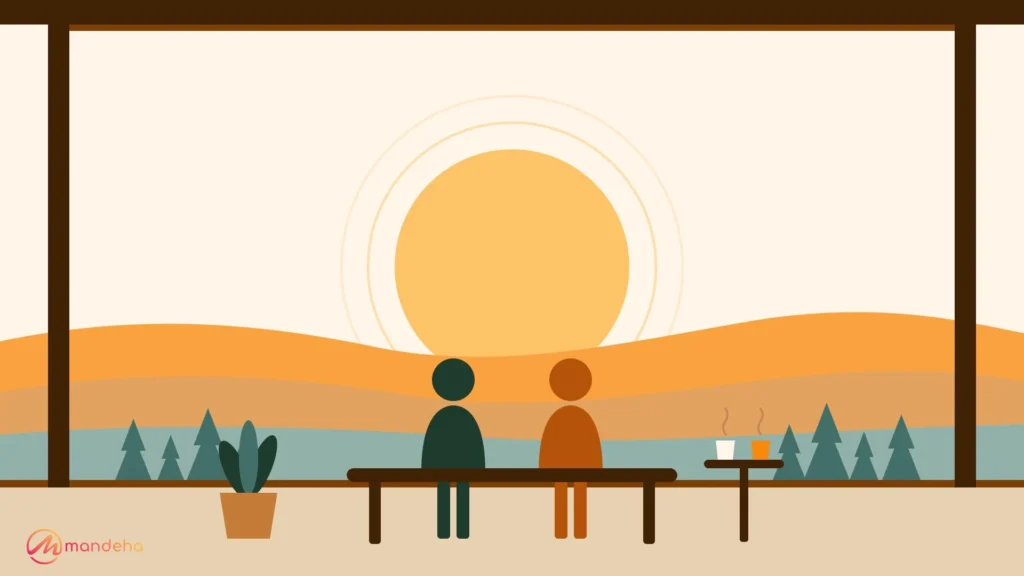
Illustration of two people sitting side by side on a hotel terrace bench, facing a large sun over layered hills, with tea on a small table beside them.

The Rise of Wellness in Hospitality: A Psychologist Report

Quick Answers: Wellness in hospitality has moved from a nice-to-have to an industry standard, with the global wellness economy hitting $6.8 trillion. But most hotels are stacking amenities like spas and quiet rooms without measuring whether guests actually leave better. A travel psychologist’s take: wellness needs psychological design and measurement, not just more amenities. Wellness

The Rise of Wellness in Hospitality: A Psychologist Report Read More »

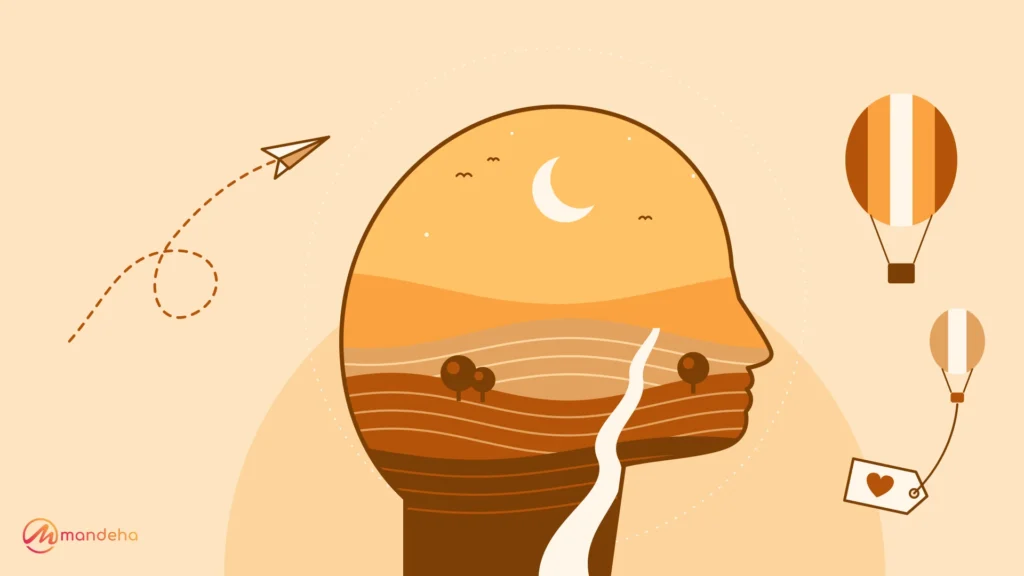
Illustration of a human head in side profile filled with calm terraced hills and a winding river, surrounded by a paper plane, hot air balloons and a luggage tag with a heart, asking whether tourism cares about mental health.

Does Tourism Care About Mental Health? A Psychologist’s Honest Answer

Quick Answers: Wellness tourism is worth nearly $1 trillion globally, yet research shows its impact on mental health is largely temporary. Most wellness travel confuses luxury with recovery. This article breaks down the difference between leisure, wellness, and genuine mental health support, and what intentional travel psychology looks like when the industry actually gets it

Does Tourism Care About Mental Health? A Psychologist’s Honest Answer Read More »

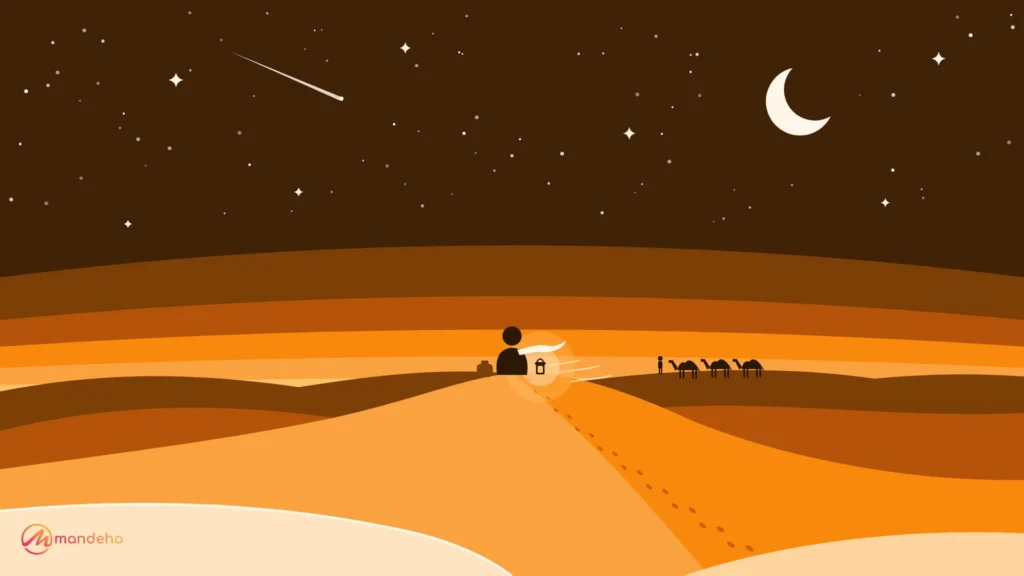
Illustration of a lone traveller sitting on a desert dune at twilight beside a glowing lantern, footprints leading up the sand beneath a starry sky and crescent moon.

Does Travel Heal You? It Reveals You Instead

TL;DR: Does travel heal you? Travel psychology gives a more honest answer: travel doesn’t fix what you carry inside. It reveals it. Strip away your routines, your distractions, your comfort scaffolding, and what’s left is the real you. Travel and mental health research confirms this: the benefits are real, but they depend on awareness, not

Does Travel Heal You? It Reveals You Instead Read More »

A traveller and a local guide share a quiet moment on a lakeside jetty facing snow capped mountains.

What Is Authentic Travel? A Psychologist’s Answer

Quick Answer: “Authentic travel” is one of the most searched and least understood phrases in the travel world. Most people assume it’s about the destination: the right local market, the right homestay, the right off-the-beaten-path gem. But travel psychology tells a different story. Authenticity isn’t a quality of a place. It’s a quality of a

What Is Authentic Travel? A Psychologist’s Answer Read More »

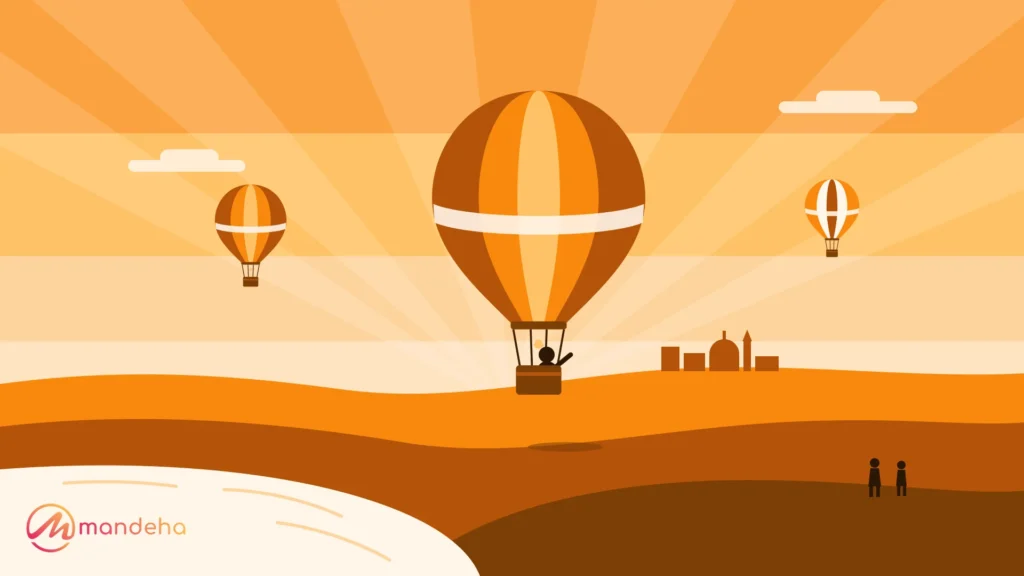
Illustration of a traveller in a hot air balloon pointing toward the horizon over layered desert dunes at sunrise, capturing the spirit of intentional travel.

Intentional Travel: How to Make a Trip’s Benefits Actually Last

Quick Answer: Intentional travel means planning and taking a trip with deliberate purpose – presence, reflection, and a clear reason for going – rather than treating travel as passive escape. Research shows this approach produces longer-lasting wellbeing benefits than an unplanned trip, largely because the mindset you bring to travel matters more than the destination

Intentional Travel: How to Make a Trip’s Benefits Actually Last Read More »

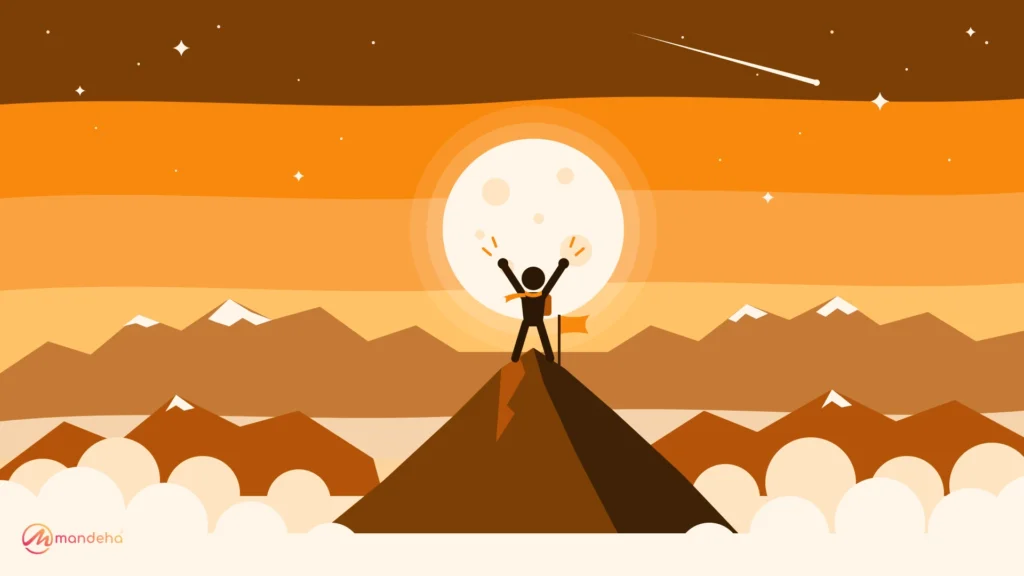
Flat illustration of an excited travel founder with arms raised on a mountain summit under a full moon and stars, above a sea of clouds.

The Smart Travel Founders Quietly Invest in Applied Psychology

Why do two travel companies offer nearly identical itineraries, similar pricing, and comparable service quality, yet one creates lifelong advocates while the other struggles with repeat bookings? Consider this: research consistently shows that people remember experiences far more than possessions, yet memory itself is highly unreliable. What travelers remember is not necessarily what happened. It’s

The Smart Travel Founders Quietly Invest in Applied Psychology Read More »

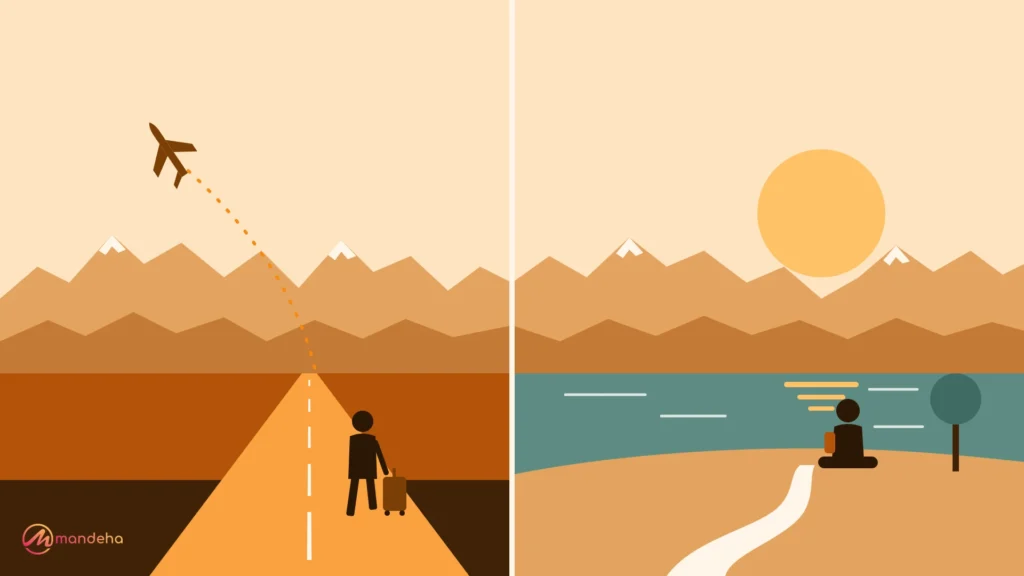
Split illustration under one mountain range, a traveller rushing down a straight road with a suitcase as a plane departs, and a traveller sitting calmly by a lake under the sun, showing escape travel vs healing travel.

Healing Travel vs Escape Travel: The Difference Nobody Is Talking About

You’re exhausted. Emotionally drained. You’ve been running on empty for months and the only thought that gives you any relief is: I just need to get away. There’s a name for what you’re experiencing, and it sits right at the heart of the healing travel vs escape travel conversation. Most people don’t realize there are

Healing Travel vs Escape Travel: The Difference Nobody Is Talking About Read More »

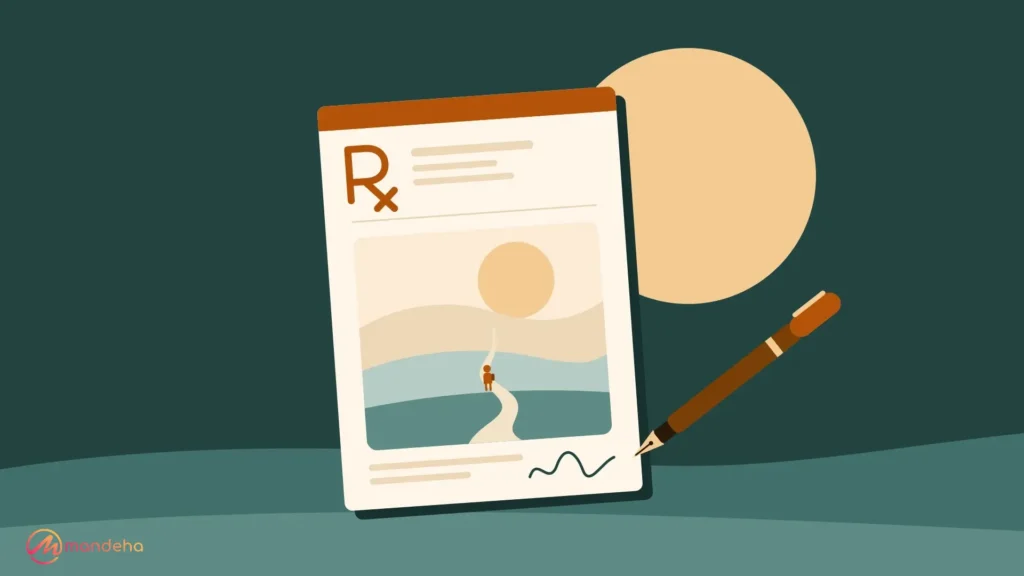
Illustration of a psychologist’s prescription pad marked Rx, showing a winding path toward the sun, with a fountain pen beside the signature.

Prescribing Travel as Intervention: A Psychologist’s Guide

I recommend travel. Not as a break. Not as a reward. As an intervention. This isn’t a metaphor. In my work as a travel psychologist, prescribing travel as intervention is one of the most useful frameworks I use with clients. Many people arrive after months of traditional sessions circling the same thoughts, the same fears,

Prescribing Travel as Intervention: A Psychologist’s Guide Read More »

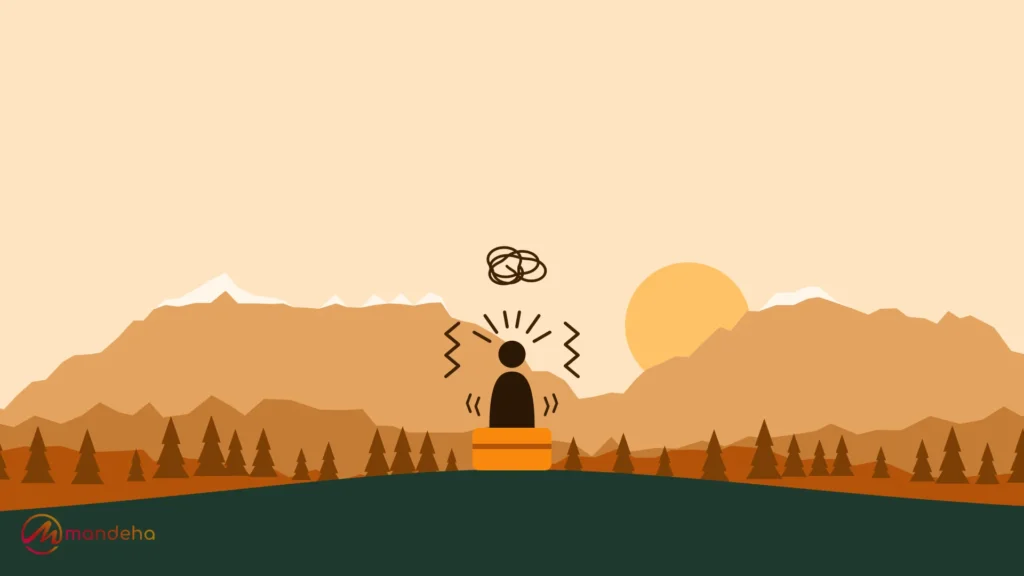
A tense traveller sits on a suitcase facing warm mountains at sunrise, with jagged stress lines and a tangled scribble around their head, a visual of travel anxiety.

Travel Anxiety: Psychologist Explains Ways to Overcome

Travel anxiety is more than just “pre-trip jitters.” As a psychologist, I define it as a complex stress response to leaving one’s safe environment. It often manifests as pre-travel dread, insomnia, and a persistent sense of “impending doom.” In 2026, as digital noise and global uncertainty increase, the “invisible suitcase” of stress travelers carry has

Travel Anxiety: Psychologist Explains Ways to Overcome Read More »

A traveller sits on a tree swing above tea terraces, watching hot air balloons rise past a warm morning sun.

Is Travelling Good for Mental Health?

Quick Answer: Yes – is travelling good for mental health has a fairly clear research answer: travel is associated with lower stress hormones, improved mood, and reduced anxiety, particularly through exposure to novelty and nature. But the benefits are usually short-term unless supported by deeper lifestyle changes, and travel used purely to escape ongoing problems

Is Travelling Good for Mental Health? Read More »

A traveller sits quietly on a hilltop beside a stone cairn and a resting backpack, looking out over a calm lake and rising sun, a reflection of mental wellness and physical effort in balance.

Physical vs. Mental Wellness: Which Matters More?

In our fast-paced, highly connected world, wellness has become the new watchword. Everyone is searching for that balance to live healthier, happier lives. But in this wellness journey, a big question looms: is wellness primarily physical or mental wellness? Let’s dive into the different aspects of wellness and discover if one really takes precedence over

Physical vs. Mental Wellness: Which Matters More? Read More »

A traveller pauses in a valley between familiar hills and an unfamiliar town, a quiet image of culture shock.

Culture Shock While Travelling: What It Is and How to Adjust

A Traveller’s Guide to Feeling at Home Anywhere Key takeaways•       Culture shock is a normal psychological response to an unfamiliar place, not a sign you are travelling wrong.•       It moves through predictable stages: honeymoon, frustration, adjustment and acceptance.•       Most culture shock eases within a few weeks,

Culture Shock While Travelling: What It Is and How to Adjust Read More »

Illustration of a traveller packing folded clothes into an open suitcase in a cosy living room with curtains, framed pictures, plants and a mountain view through the window.

Your Pre-Trip Routine: How to Stay Calm Before You Travel

A travel psychologist’s step-by-step timeline and grounding techniques for the days before you go. Key takeaways Some people pack a week early and still feel frazzled at the airport. Others throw a bag together an hour before and walk out calm. The difference is rarely luck. It’s usually a pre-trip routine: a set of small,

Your Pre-Trip Routine: How to Stay Calm Before You Travel Read More »

Illustration of a head in profile filled with mountains, a winding path and a small traveller, with birds flying out into an open sky, showing how travel broadens the mind.

Travel Broadens the Mind: What Psychology Says About Open-Minded Travel

Quick Answer: Travel broadens the mind for some people, but not automatically. Research on travel and open-mindedness links wider, difference-focused travel, and building real relationships in a place, with more generalized trust and openness, and possibly empathy. A short trip that stays inside a familiar bubble rarely does this. How you travel matters more than

Travel Broadens the Mind: What Psychology Says About Open-Minded Travel Read More »

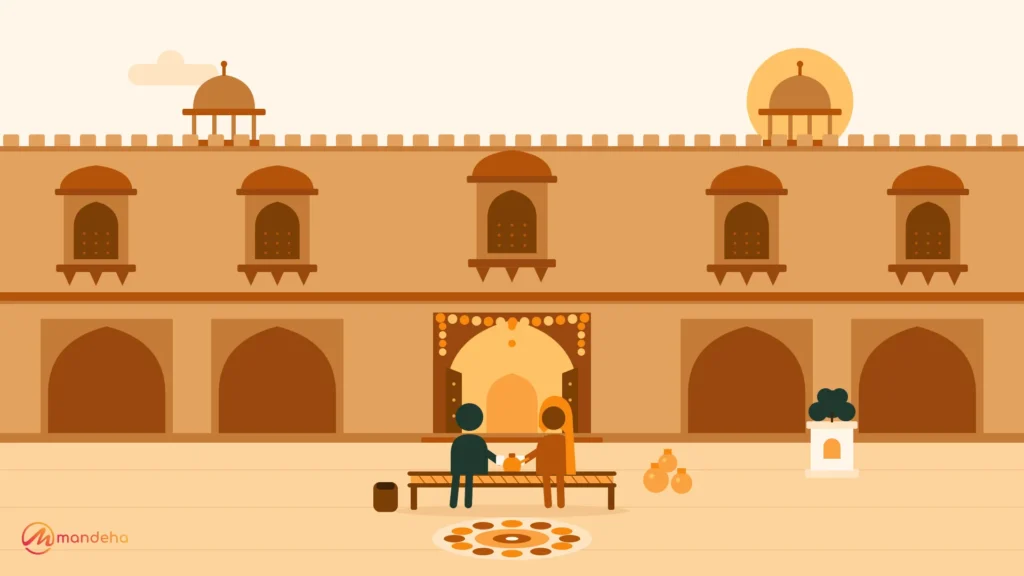
Illustration of a traveller sharing chai with a local host on a charpai in the courtyard of an old Indian haveli, a mindful take on cultural tourism.

How To Fix A Toxic Mind Of Cultural Tourism

Ever find yourself captivated by the allure of cultural tourism, only to stumble upon the unsettling realization that your exploration might be leaving a not-so-pleasant impact? Welcome to the perplexing world of navigating the tangled vines of cultural sensitivity and tourism. We’re about to embark on a journey to dissect the intricacies of what it

How To Fix A Toxic Mind Of Cultural Tourism Read More »

Illustration of a head in profile filled with a sunrise, mountains and a winding path with a traveller, showing how travel affects mental health.

10 Important Things: How Travel affects Mental Health

A Travel Psychologist’s Guide to How Travel Affects Mental Health Key takeaways•       How travel affects mental health depends on the trip, your state of mind before you leave, and how you recover afterwards.•       Travel can lift mood and restore attention, but it can also bring loneliness, homesickness and burnout.•

10 Important Things: How Travel affects Mental Health Read More »

Scroll to Top