Quick Answers: Wellness tourism is worth nearly $1 trillion globally, yet research shows its impact on mental health is largely temporary. Most wellness travel confuses luxury with recovery. This article breaks down the difference between leisure, wellness, and genuine mental health support, and what intentional travel psychology looks like when the industry actually gets it right.
She booked a “mental wellness retreat” after months of burnout.
Beautiful villa. Premium meals. Zero psychological structure.
She came back and said: “I felt better while I was there. Then it all came back the moment I landed.”
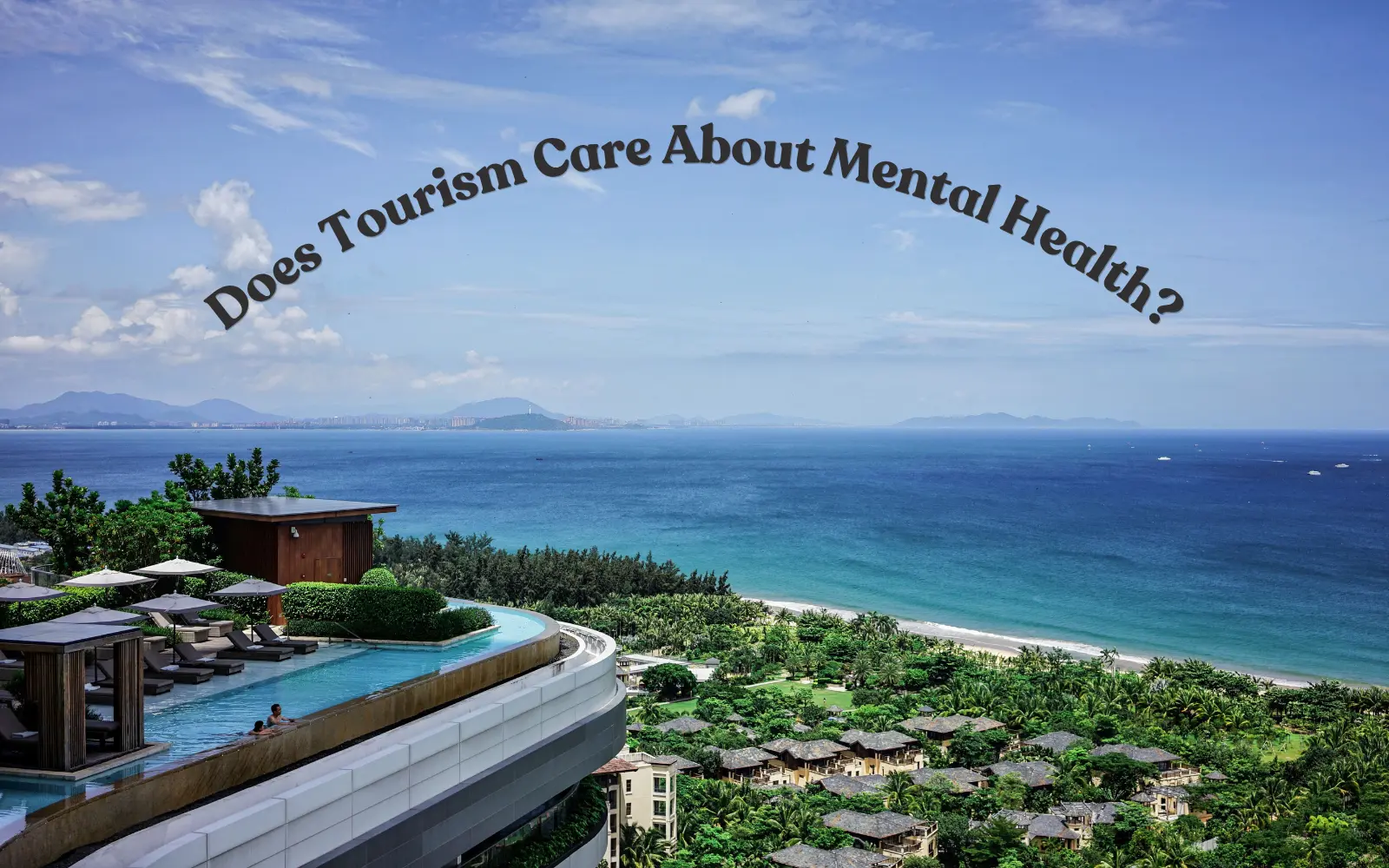
Does tourism care about mental health? Or does it care about selling the feeling of caring about mental health?
The distinction matters more than the industry wants to admit. Let’s explore how travel psychology benefits.
Does Tourism Care About Mental Health? The Honest Answer
Does Tourism care about mental health the way advertising cares about your happiness. It uses the language genuinely. But the tools it has built are largely designed for experience, not recovery.
Wellness tourism is a nearly $945.5 billion industry globally in 2024, projected to cross $1 trillion by 2025. Yet McKinsey’s 2025 Future of Wellness research found that younger consumers, particularly Gen Z, still report their mental and cognitive health needs as “unmet” despite the industry’s explosive growth.
The wellness market got bigger. The mental health gap didn’t close.
When an industry uses mental health language without mental health capability, real people seeking real support end up in beautiful places with the same problems they arrived with. Caring and being equipped to care are two very different things.
Is Wellness Tourism the Same as Mental Health Support?
Wellness tourism and mental health support are not the same thing. Wellness tourism refers to travel designed to maintain or improve general wellbeing, typically through spa treatments, yoga retreats, nature immersion, or detox programmes. Mental health support refers to structured psychological intervention aimed at lasting behaviour change, emotional regulation, or recovery from specific conditions like burnout, anxiety, or trauma.
The tourism industry has bundled these into one offering. Marketing collapsed the distinction. Now a gratitude journal on your pillow qualifies as “mental health programming.”
True mental health support requires structure, professional guidance, and a framework that extends well beyond the stay itself. Research on mental health in wellness resorts consistently shows that without these elements, guests leave refreshed but psychologically unchanged. The environment shifts. The person does not.
Wellness tourism and mental health can coexist. But only when the industry builds the right tools to make it possible. However answering the true experiences around the thought of does tourism care about mental health?
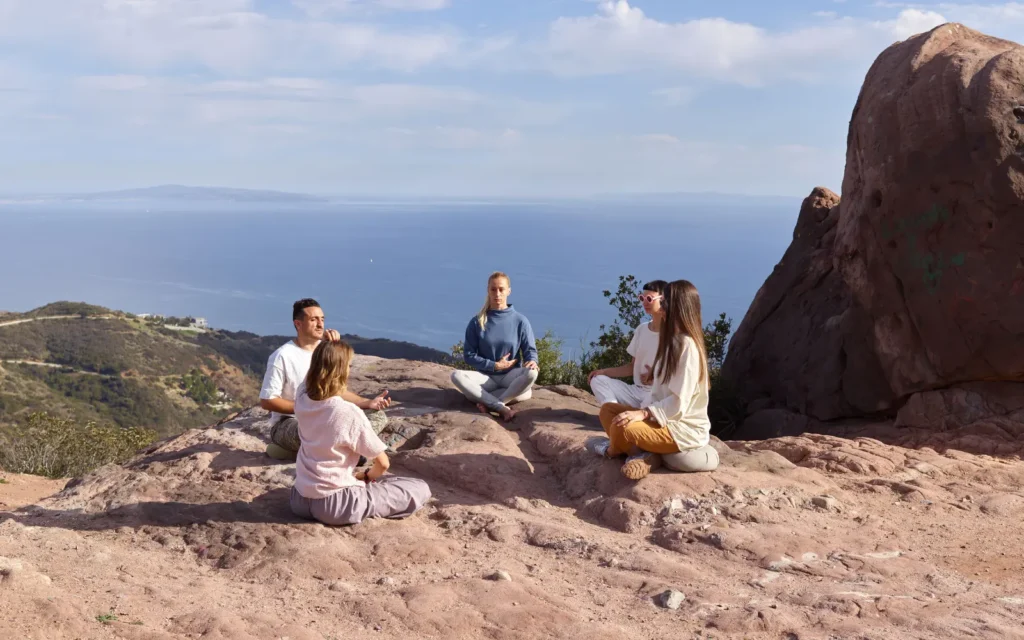
The Trillion-Dollar Wellness Industry with a Mental Health Gap
The numbers look impressive on paper. But the question is does tourism care about mental health?
Wellness tourism generated nearly $945.5 billion globally in 2024. Wellness travellers spend roughly 19% more than standard tourists. The sector is growing at a projected 13.2% CAGR through 2034, pointing toward a $3.3 trillion market.
But there is a structural problem underneath those numbers.
Luxury hotels were among the first to commercialize the wellness label. Spas, yoga sessions, and detox menus became profitable add-ons long before anyone measured whether they were therapeutically effective. The Global Wellness Institute’s 2024 Wellness Policy Toolkit flagged this directly. It reframed the industry’s goal away from developing luxury spa resorts and toward how tourism can genuinely support the wellbeing of all travellers, not just high spenders.
That is a significant admission from the industry’s own research body.
Research on burnout and wellness travel found that more than 75% of workers globally now experience some degree of burnout. The tourism industry’s primary response has been experiential luxury: better rooms, better menus, better views. Not clinical structure. Not psychological frameworks.
The gap between luxury wellness travel improve your mental health recovery is real. And it is not small.
Does Luxury Wellness Travel Improve Your Mental Health?
The honest answer is yes, but only briefly. And “brief” is shorter than most travellers expect.
A comprehensive meta-analysis on vacation effects and mental health recovery found that vacation benefits, including reduced stress, improved mood, and higher energy, return to pre-vacation baseline levels within the first week after going back to work. Not a month later. Not two weeks later. One week.
This is the fade-out effect. You go. You feel better. You come back. The environment returns. The stress returns. The patterns return. Nothing changed inside because nothing was designed to change inside.
Why Passive Travel Does Not Create Lasting Mental Health Change
Passive travel means changing your location while keeping the same mental habits. You bring your thought patterns, your stress responses, your unresolved tensions, and then you take them all home again. The destination never had a chance to do anything lasting because the travel was not structured to do anything lasting.
What Actually Changes the Outcome of Travel for Mental Health
Research on travel therapy effectiveness shows that when travel includes structured psychological practice, such as guided reflection, pattern interruption, mindfulness tools, and post-return integration, the outcomes shift significantly. The mechanism moves from temporary relief to what researchers call “skill transfer”: coping tools acquired during the trip that stay active and applicable after return.
Why the Industry Has Not Built This Yet
The Smart travel founders are building genuine wellness tourism and mental health knows the requirements of psychology professionals, not just wellness facilitators. It requires pre-departure assessment and post-return integration. Most properties are not resourced for it. Or incentivised for it. A luxury resort earns from occupancy and guest reviews, not from transformation outcomes that show up three months after checkout. Post experiences the luxury wellness travel Improve your mental health.
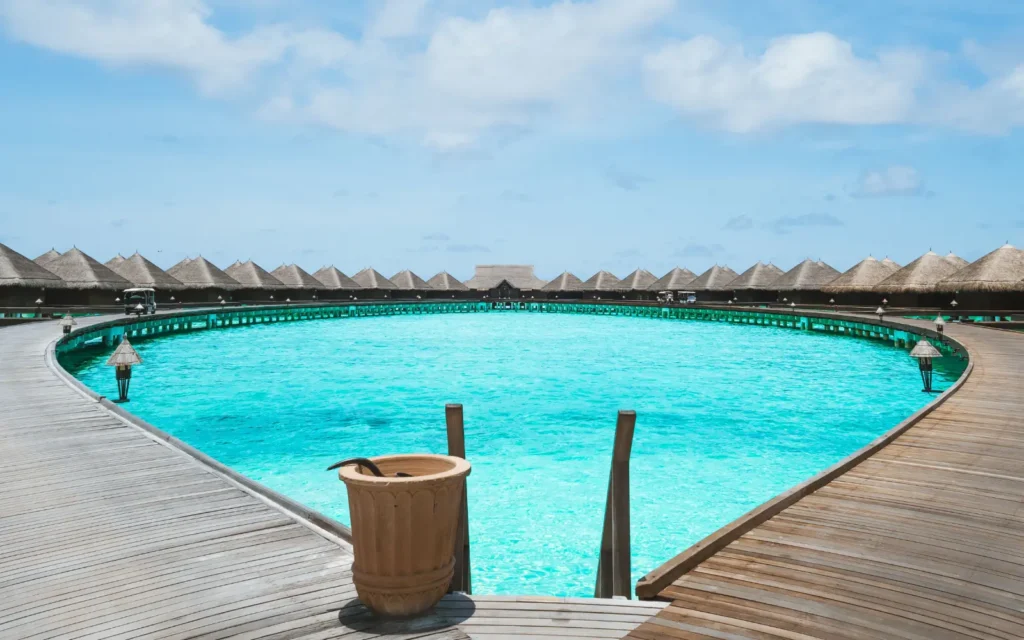
What Does Intentional Travel Psychology Actually Look Like?
Intentional travel psychology is travel designed with a clear psychological purpose, built-in tools for reflection and growth, and a structured framework for integrating the experience after returning home.
It is not about the destination. It is about what the environment is deliberately designed to provoke.
The LEGIT Model used in Mandeha’s travel psychology programmes is built precisely on this principle. Learner, Environment, Growth, Integration, Transformation. Without all five elements aligned, even the most stunning landscape becomes a temporary escape rather than a catalyst for genuine psychological change.
This is why prescribing travel as a mental health intervention is not a metaphor. It is a clinical framework. The environment creates the conditions. The structure creates the change.
Research in the International Journal of Tourism Research identifies tourism as a significant non-pharmacological mental health intervention, particularly for individuals in “suboptimal health status”: not clinically ill, but far from thriving. That describes most working adults today.
Wellness retreat mental health recovery, when it actually works, is never accidental. It is designed with intention from before departure to well after return. The wellness retreat mental health recovery approach at Mandeha is built on exactly this distinction.
The Real Distance Between Aesthetic Wellness and Psychological Design
Here is the clearest way to see the gap. Aesthetic wellness asks: Does this look like healing? Psychological design asks: What does this actually change?
A resort with morning yoga and a curated spa menu looks like travel heals you kind of support. A retreat built on wellness and psychological assessment, structured clinical sessions, and post-stay integration is mental health support. The difference does not show up in a brochure. It shows up three months after the stay.
The tourism industry is beginning to evolve. 2025 wellness tourism research notes a genuine shift toward clinical psychology integration and evidence-based retreat design. Wellness and psychological travel consultants are working directly with hospitality properties to build psychologically rigorous programmes that go far beyond ambiance.
But the mainstream is still catching up. Academic research from 2025 specifically flags the lack of cohesive psychological understanding in how wellness tourism is currently designed and marketed, noting this as a critical gap the industry must address.
Most of what gets marketed as wellness retreat mental health recovery today is premium leisure with better language.
You deserve to know the difference before you book.
Conclusion of does tourism care about mental health?
So, does tourism care about mental health? In intention, yes. In capability, not yet. Not broadly.
Three things to carry with you.
First, leisure, wellness, and mental health support are different things. Travel being enjoyable does not make it therapeutic. Second, the fade-out effect is real. Without psychological structure, the mental health benefits of travel have a shelf life of roughly one week after you return. Third, genuinely effective travel for mental health is possible. It exists. But it requires intentional design, professional psychological frameworks, and a purpose that extends beyond the aesthetic.
If you are looking for an Indian cultural journey that actually moves something in you, not just around you. Your mental health deserves more than a beautiful view.
Frequently Asked Questions
Is wellness tourism the same as mental health treatment?
No. Wellness tourism focuses on maintaining or enhancing general wellbeing through experiences such as spa treatments, yoga retreats, or nature immersion. Mental health treatment involves structured psychological intervention, clinical assessment, and evidence-based care for specific conditions. The two can overlap, but most wellness tourism does not meet the threshold for genuine mental health treatment. Research on mental health in wellness resorts shows this gap clearly and consistently.
How long do the mental health benefits of travel actually last?
According to a comprehensive meta-analysis on vacation effects and wellbeing, standard vacation benefits fade back to pre-departure baseline levels within the first week after returning to work. However, travel designed with psychological intention, including structured reflection and post-return integration, produces longer-lasting outcomes through what researchers call “skill transfer.” This is the core difference between wellness tourism and intentional travel psychology.
What makes a travel experience psychologically effective rather than just relaxing?
Three elements determine psychological effectiveness: a pre-departure assessment or intention-setting framework, structured tools for reflection and pattern interruption during the experience, and post-return integration support. Without these, even the most well-resourced retreat functions primarily as temporary stress relief. A travel psychology journey built on these principles looks and functions very differently from a standard wellness holiday.
Can travel be prescribed as a clinical mental health intervention?
Yes. Research increasingly supports prescribing travel as a clinical intervention for conditions including stress, burnout, and lack of psychological direction. The mechanism is neurological: novel environments disrupt habitual patterns in the brain’s default mode network, enhance neuroplasticity, and create cognitive space for new thinking and behaviour. The key variable is psychological intention, not the destination itself or its price point.
What should I look for in a wellness retreat that genuinely supports mental health?
Look for: a psychologist or trained mental health professional involved in programme design, a pre-departure psychological assessment, structured sessions with clear therapeutic goals, and a post-stay integration plan. A authentic retreat built on these foundations is fundamentally different from a premium holiday with wellness language. Ask the property directly what the psychological framework looks like. If they cannot answer clearly, that is your answer.