wellness travel

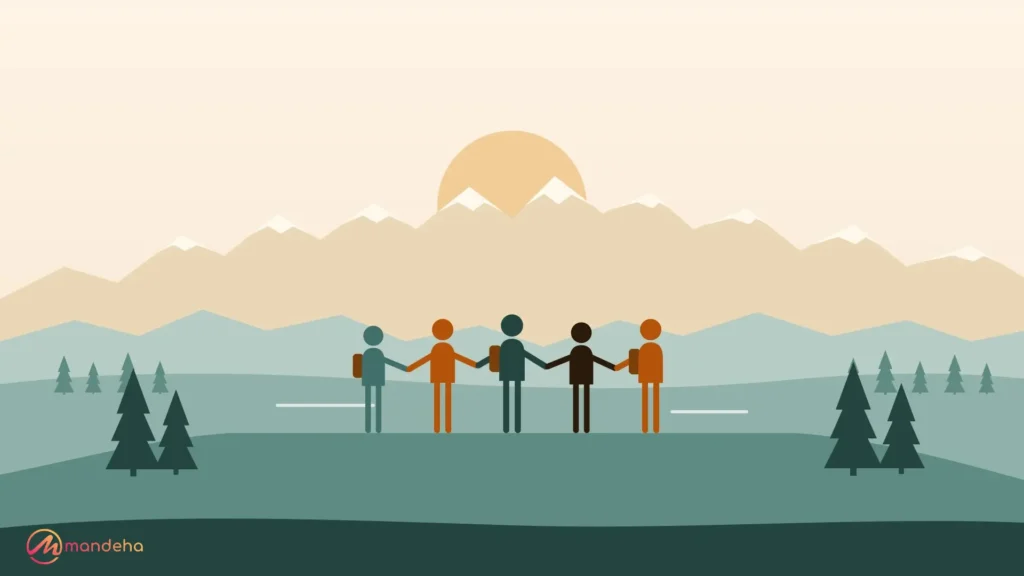
Illustration of five friends holding hands on a mountain viewpoint, looking out over snowy peaks and a pine valley, reflecting the psychology of traveling with friends.

The psychology of traveling with friends: Why it isn’t an escape, it’s a trust exercise

Quick Answer: The psychology of traveling with friends shows that group trips are rarely about avoiding loneliness. They’re about building trust. Shared travel puts people through stress, decisions, and unfamiliar situations together, and psychologists say these repeated moments are what deepen a friendship’s sense of security. You book the trip. You split the itinerary. You

The psychology of traveling with friends: Why it isn’t an escape, it’s a trust exercise Read More »
Illustration of a traveller walking up a winding path to a guesthouse, where a host waits in a warmly lit doorway, showing the benefits of hospitality psychology.

Benefits of Hospitality Psychology: A Psychologist’s Guide

Written for hotel and resort teams. If you’re looking for the personal, traveler-facing benefits of a trip, see our pillar guide, Benefits of Travel Psychology. Quick Answer: The benefits of hospitality psychology include higher guest satisfaction, stronger loyalty, lower staff turnover, and more memorable service – because it treats guest experience as a mental and

Benefits of Hospitality Psychology: A Psychologist’s Guide Read More »

Illustration of a human head in side profile filled with calm terraced hills and a winding river, surrounded by a paper plane, hot air balloons and a luggage tag with a heart, asking whether tourism cares about mental health.

Does Tourism Care About Mental Health? A Psychologist’s Honest Answer

Quick Answers: Wellness tourism is worth nearly $1 trillion globally, yet research shows its impact on mental health is largely temporary. Most wellness travel confuses luxury with recovery. This article breaks down the difference between leisure, wellness, and genuine mental health support, and what intentional travel psychology looks like when the industry actually gets it

Does Tourism Care About Mental Health? A Psychologist’s Honest Answer Read More »

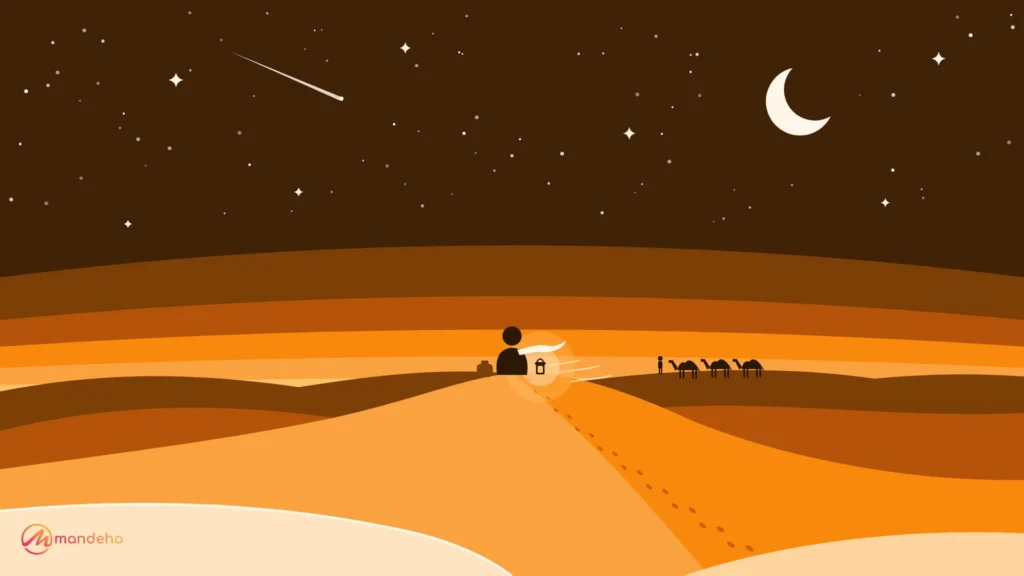
Illustration of a lone traveller sitting on a desert dune at twilight beside a glowing lantern, footprints leading up the sand beneath a starry sky and crescent moon.

Does Travel Heal You? It Reveals You Instead

TL;DR: Does travel heal you? Travel psychology gives a more honest answer: travel doesn’t fix what you carry inside. It reveals it. Strip away your routines, your distractions, your comfort scaffolding, and what’s left is the real you. Travel and mental health research confirms this: the benefits are real, but they depend on awareness, not

Does Travel Heal You? It Reveals You Instead Read More »

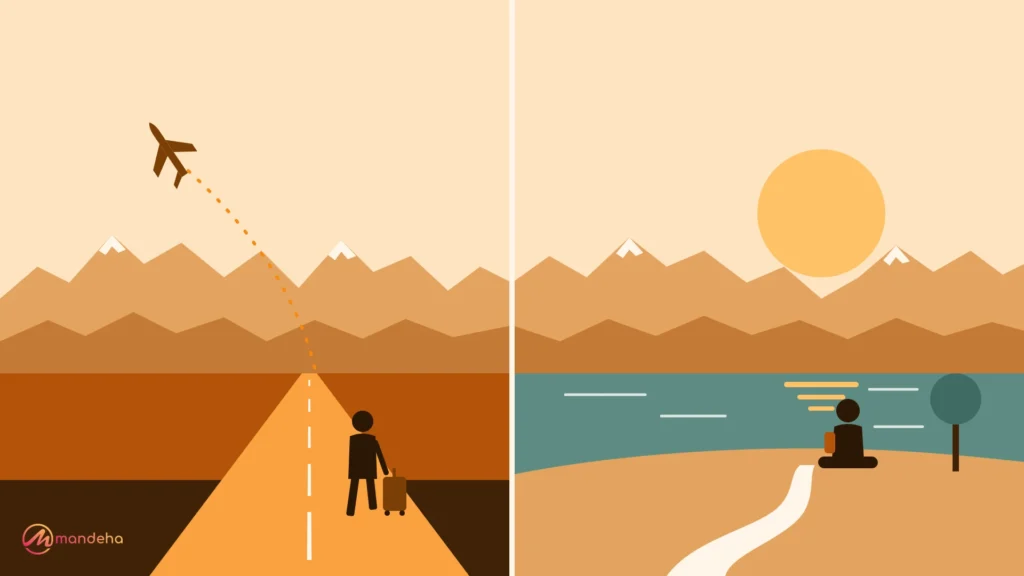
Split illustration under one mountain range, a traveller rushing down a straight road with a suitcase as a plane departs, and a traveller sitting calmly by a lake under the sun, showing escape travel vs healing travel.

Healing Travel vs Escape Travel: The Difference Nobody Is Talking About

You’re exhausted. Emotionally drained. You’ve been running on empty for months and the only thought that gives you any relief is: I just need to get away. There’s a name for what you’re experiencing, and it sits right at the heart of the healing travel vs escape travel conversation. Most people don’t realize there are

Healing Travel vs Escape Travel: The Difference Nobody Is Talking About Read More »

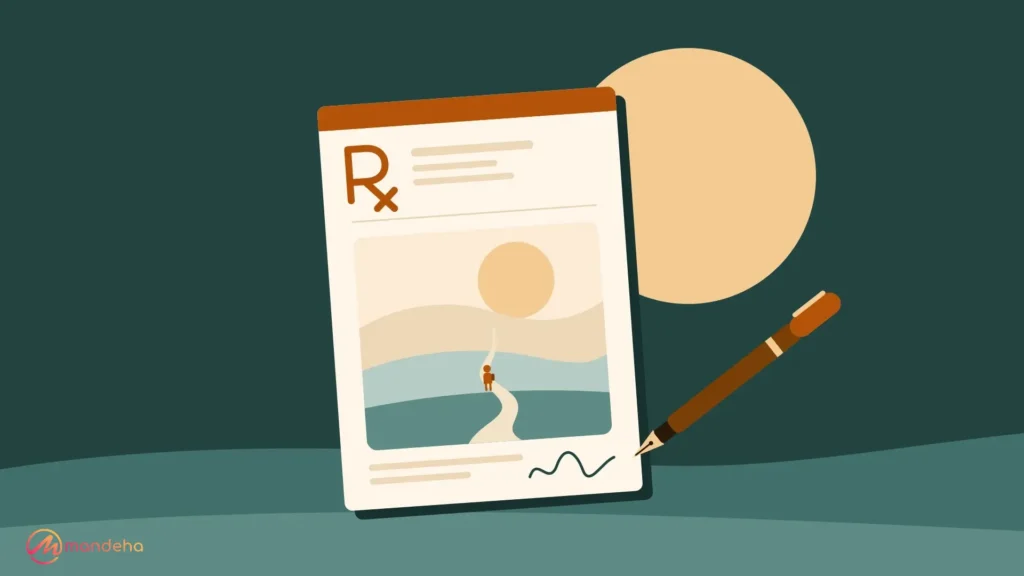
Illustration of a psychologist’s prescription pad marked Rx, showing a winding path toward the sun, with a fountain pen beside the signature.

Prescribing Travel as Intervention: A Psychologist’s Guide

I recommend travel. Not as a break. Not as a reward. As an intervention. This isn’t a metaphor. In my work as a travel psychologist, prescribing travel as intervention is one of the most useful frameworks I use with clients. Many people arrive after months of traditional sessions circling the same thoughts, the same fears,

Prescribing Travel as Intervention: A Psychologist’s Guide Read More »

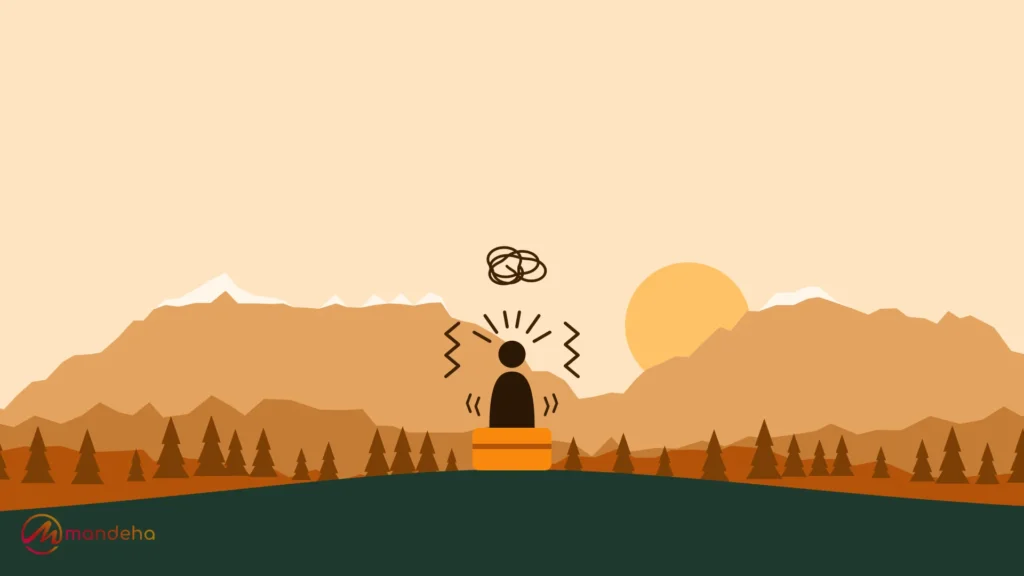
A tense traveller sits on a suitcase facing warm mountains at sunrise, with jagged stress lines and a tangled scribble around their head, a visual of travel anxiety.

Travel Anxiety: Psychologist Explains Ways to Overcome

Travel anxiety is more than just “pre-trip jitters.” As a psychologist, I define it as a complex stress response to leaving one’s safe environment. It often manifests as pre-travel dread, insomnia, and a persistent sense of “impending doom.” In 2026, as digital noise and global uncertainty increase, the “invisible suitcase” of stress travelers carry has

Travel Anxiety: Psychologist Explains Ways to Overcome Read More »

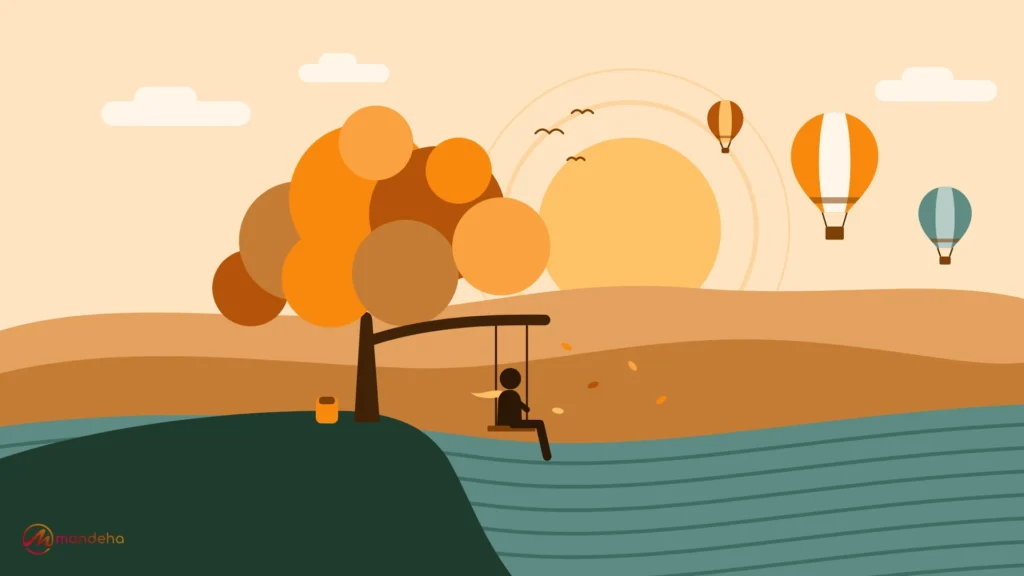
A traveller sits on a tree swing above tea terraces, watching hot air balloons rise past a warm morning sun.

Is Travelling Good for Mental Health?

Quick Answer: Yes – is travelling good for mental health has a fairly clear research answer: travel is associated with lower stress hormones, improved mood, and reduced anxiety, particularly through exposure to novelty and nature. But the benefits are usually short-term unless supported by deeper lifestyle changes, and travel used purely to escape ongoing problems

Is Travelling Good for Mental Health? Read More »

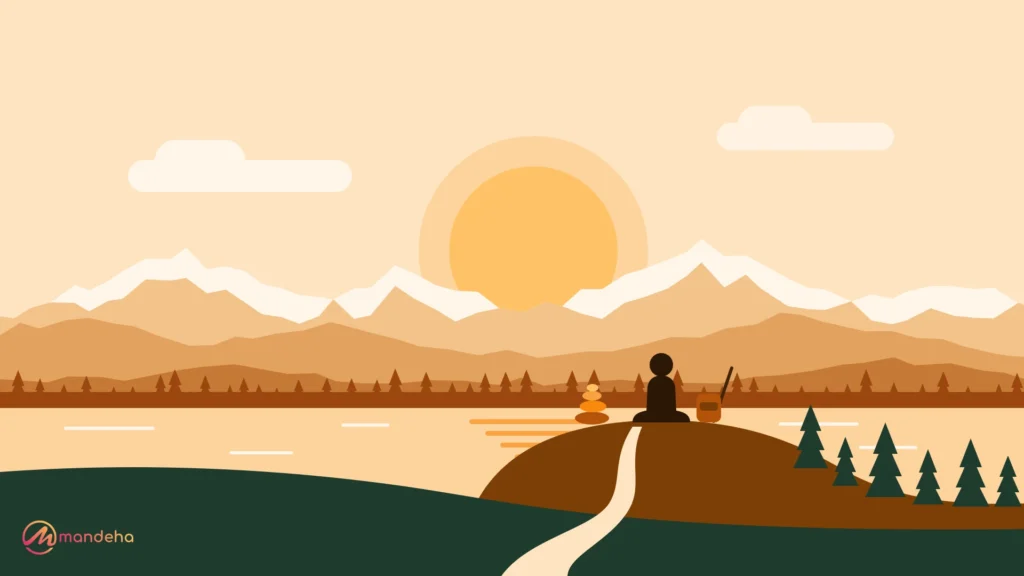
A traveller sits quietly on a hilltop beside a stone cairn and a resting backpack, looking out over a calm lake and rising sun, a reflection of mental wellness and physical effort in balance.

Physical vs. Mental Wellness: Which Matters More?

In our fast-paced, highly connected world, wellness has become the new watchword. Everyone is searching for that balance to live healthier, happier lives. But in this wellness journey, a big question looms: is wellness primarily physical or mental wellness? Let’s dive into the different aspects of wellness and discover if one really takes precedence over

Physical vs. Mental Wellness: Which Matters More? Read More »

Scroll to Top