
- What India Cultural Tourism Looks Like Today
- Heritage Tourism in India and Its UNESCO World Heritage Sites
- Cultural Tourism Destinations in India
- Best Cultural Experiences in India
- India Tourism Trends: How Cultural Tourism in India Is Changing
- Why Younger Indian Travellers Choose Cultural Trips
- What Role Does Travel Psychology Play in India's Cultural Tourism?
- Respectful Travel at Cultural Sites in India
- Final Thoughts on India Cultural Tourism
- Frequently Asked Questions
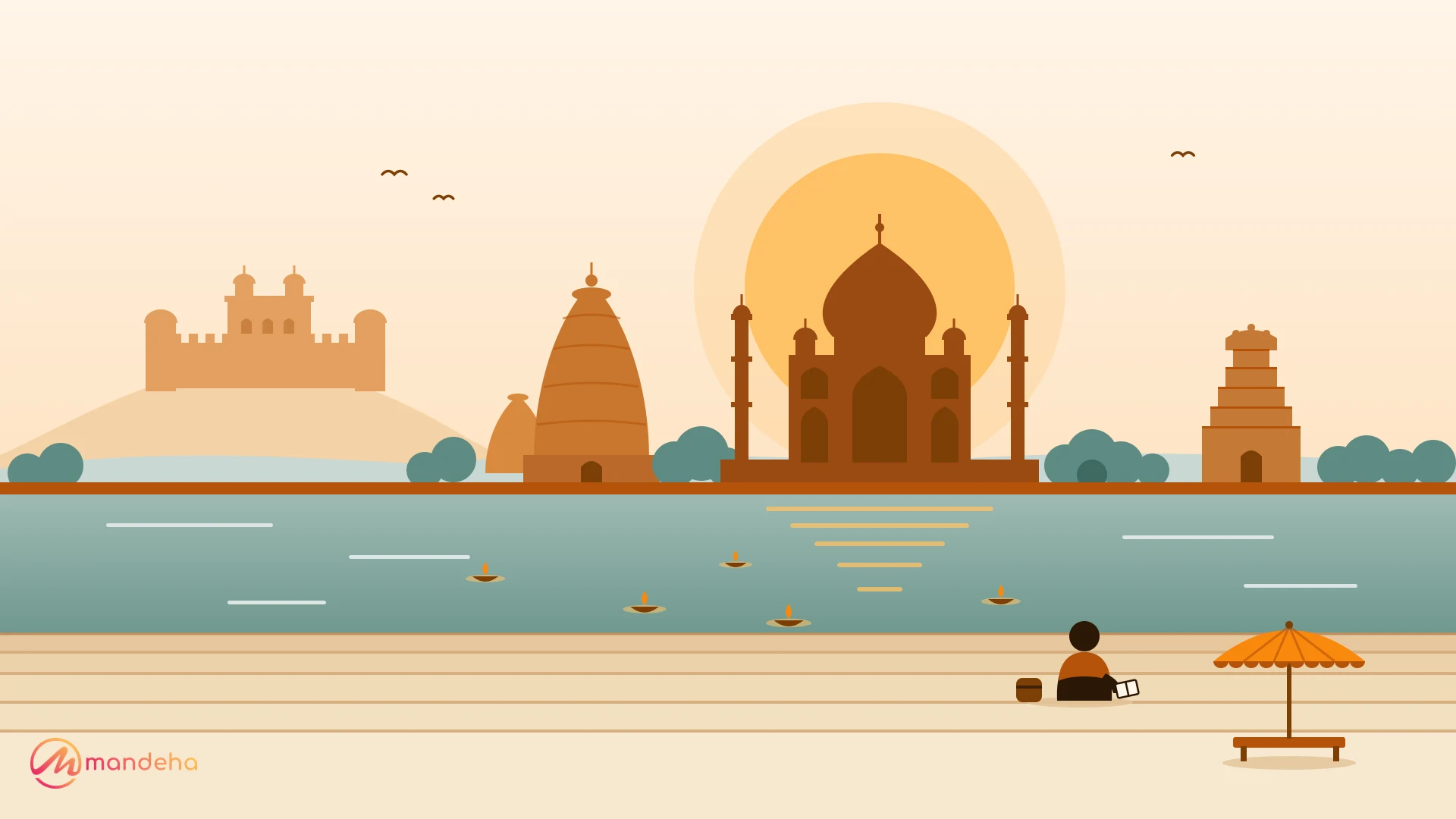
It is a little before six in Varanasi. Bells ring from a temple above Dashashwamedh Ghat, a boatman pushes off into the mist, and a family lowers marigolds and a small diya into the Ganga. Nobody is performing for visitors. This is simply morning, and travellers who sit quietly on the steps get to share it.
That moment captures what India cultural tourism offers at its best: a way into how people live, pray, cook, make and celebrate. In my work as a travel psychologist, these are the moments people remember longest, and they rarely happen by accident.
This guide looks at India cultural tourism through a travel psychology lens: where to go, what to experience, what the latest data shows and how to design a cultural trip that stays with you.
Quick answer: What is India cultural tourism and why is it growing? India cultural tourism is travel built around the country’s living heritage: monuments, festivals, food, crafts and everyday rituals. It is growing because domestic travel has surged and more travellers want trips that create awe, connection and learning. Psychologically, culture gives a trip meaning, and meaningful experiences are the ones people remember.
What India Cultural Tourism Looks Like Today
India cultural tourism today is less about seeing and more about taking part. Cultural tourism in its broad sense means travelling to experience a place’s heritage, arts and way of life. Here, the focus is India.
In practice, cultural tourism in India has three layers: built heritage, living culture and the human encounter. From a travel psychology view, each layer meets a different need. Monuments tend to create awe. Festivals and homestays create belonging. Crafts and food create learning through the senses.
The scale of India cultural tourism keeps growing. India’s Ministry of Tourism told Parliament that domestic tourist visits reached a provisional 4.13 billion in 2025, up from 2.95 billion in 2024 (Lok Sabha answer, March 2026). The 2025 total includes the Maha Kumbh at Prayagraj, so part of that jump is a one-off. Still, it confirms that faith, festivals and heritage sit at the heart of India cultural tourism.
Heritage Tourism in India and Its UNESCO World Heritage Sites
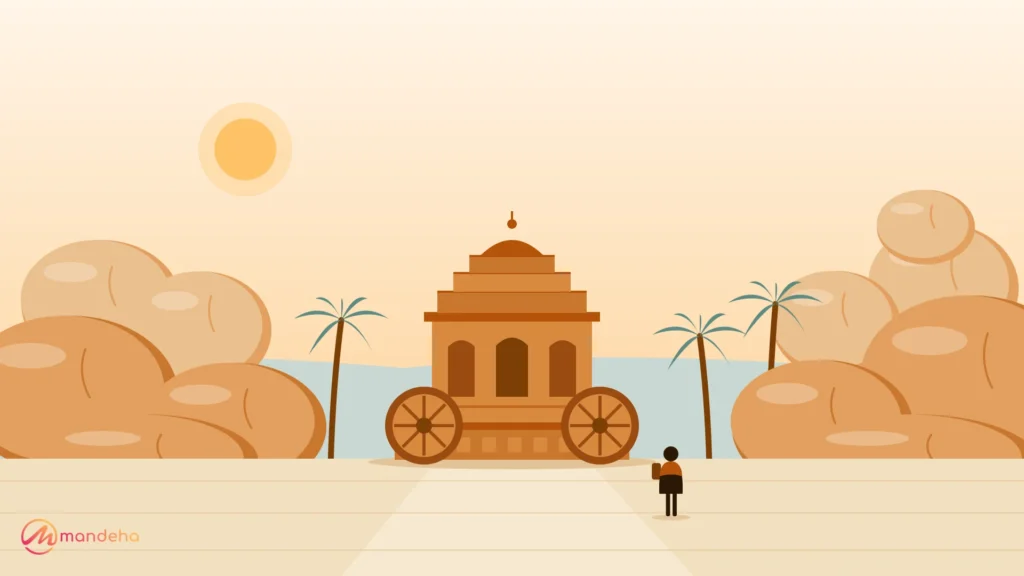
Heritage tourism in India rests on one of the deepest historical records anywhere. According to the UNESCO World Heritage Centre, India has 44 properties on the World Heritage List, with 70 more on its Tentative List. The most recent, the Maratha Military Landscapes of India, a network of 12 forts in Maharashtra and Tamil Nadu, was inscribed in 2025.
Most are cultural sites, from the Ajanta and Ellora caves to the Sun Temple at Konark, the Hoysala temples of Karnataka and the Moidams of Assam.
UNESCO World Heritage Sites in India for Travellers
Standing among the boulders of Hampi or under the gateway of Fatehpur Sikri often brings on awe: the feeling of being in the presence of something vast. A study by Rudd, Vohs and Aaker, published in Psychological Science in 2012, found that awe made people feel they had more time, made them less impatient and lifted their life satisfaction in the moment. It also made them more likely to choose experiences over material goods.
That is why UNESCO sites remain the anchor of India cultural tourism. But awe needs room. Four practical points:
- Go early. Quiet hours leave room for awe.
- Hire a licensed local guide. Context turns stone into story, and stories are what memory holds on to.
- Pick one major site per day. Attention is limited, and overload flattens wonder.
- Stay nearby. A night in Hampi or Khajuraho lets you return at dawn and dusk, when the site feels lived in.
Cultural Tourism Destinations in India
Cultural tourism destinations in India are spread across every region, and each offers something different to the mind. Below are well-known starting points for India cultural tourism, with the best months and what each place tends to offer psychologically.
North India
| Place | Signature moment | Best months | Psychology lens |
| Varanasi, Uttar Pradesh | Ganga aarti at dawn and dusk, Dev Deepawali | October to March | Facing impermanence, finding meaning |
| Amritsar, Punjab | Langar at the Golden Temple, free meals for all | October to March | Belonging and generosity |
| Agra and Fatehpur Sikri | Mughal architecture at sunrise | October to March | Awe at scale |
South India
| Place | Signature moment | Best months | Psychology lens |
| Hampi, Karnataka | Vijayanagara ruins by bicycle | October to February | Awe and slow exploration |
| Madurai, Tamil Nadu | Meenakshi Amman Temple at night | October to March | Full sensory immersion |
| Kochi, Kerala | Kathakali and Fort Kochi’s layered heritage | November to February | Curiosity about mixed identities |
East India
| Place | Signature moment | Best months | Psychology lens |
| Kolkata, West Bengal | Durga Puja pandals | September to October | Collective joy |
| Konark and Puri, Odisha | Konark Dance Festival, pattachitra painters in Raghurajpur | November to February | Ritual and craft |
| Bodh Gaya, Bihar | Meditation near the Mahabodhi Temple | October to March | Stillness and reflection |
West India
| Place | Signature moment | Best months | Psychology lens |
| Jaipur and Udaipur, Rajasthan | Palaces, forts and block printing | October to March | Learning through making |
| Ahmedabad, Gujarat | Heritage walk through the pols, Uttarayan kites in January | November to February | Everyday heritage, up close |
Northeast India
| Place | Signature moment | Best months | Psychology lens |
| Majuli, Assam | Satras, mask-making and Raas festival dance | October to March | Slowing down |
| Kohima, Nagaland | Hornbill Festival, 1 to 10 December | December | Belonging and cultural learning |
| Shillong and the Khasi Hills, Meghalaya | Living root bridges and Khasi village life | October to April | Restoration through nature and community |
If your aim is rest rather than discovery, our guide to places to visit in India for mental peace suggests quieter destinations.
Best Cultural Experiences in India
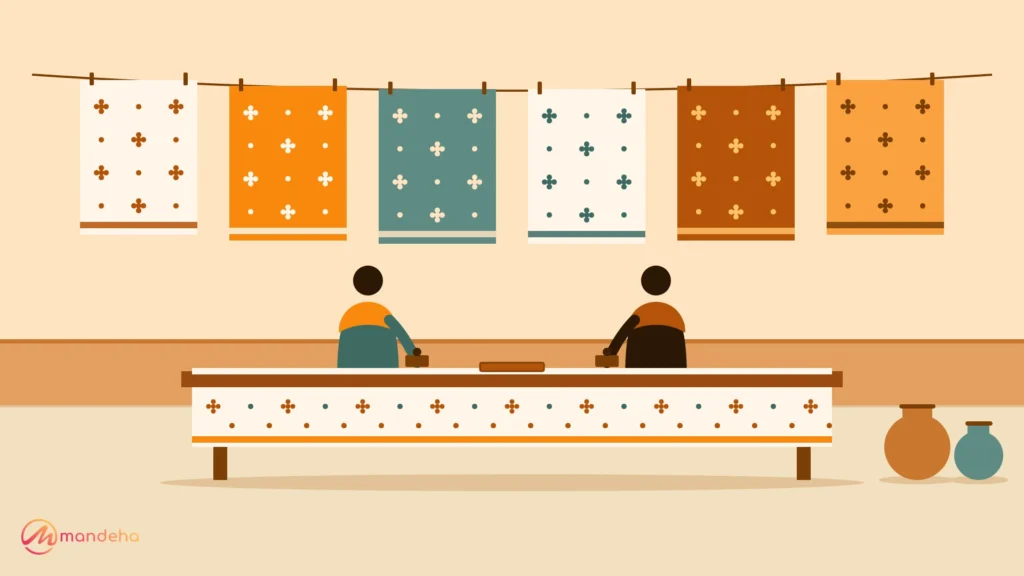
Monuments are only half of India cultural tourism. The best cultural experiences in India usually involve people, food or sound, and each one meets a different psychological need.
Festivals: belonging. Durga Puja in Kolkata, Onam in Kerala, Holi in Barsana, the Pushkar fair or Hornbill in Nagaland. Celebrating inside a crowd creates a connection that is hard to find alone.
Food: sensory memory. A Chettinad meal, a sadya on a banana leaf or a Kashmiri wazwan. Taste and smell are closely tied to memory, so a meal is often what brings a trip back years later.
Crafts: learning by doing. Kutch embroidery, Pochampally ikat, Jaipur blue pottery or Channapatna toys. A short workshop gives you a small sense of mastery.
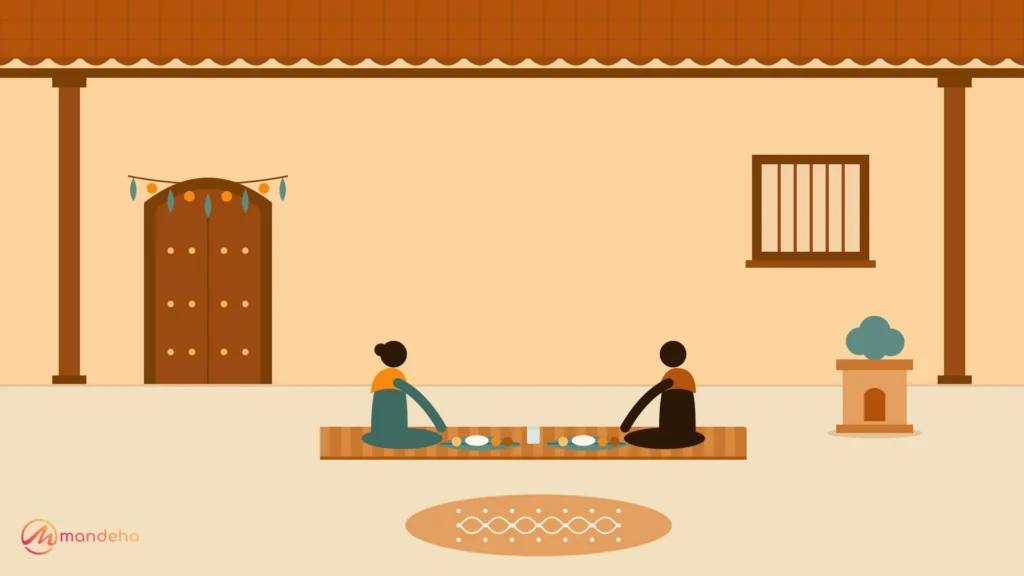
Homestays: perspective. Homestays may be the most underrated part of India cultural tourism. In Ladakh, Coorg, Meghalaya or Kutch, a family’s table shows you how another household thinks about time, work and care.
Performing arts: absorption. Kathakali in Kochi, a Bharatanatyam recital in Chennai’s December season or a Baul singer in Bengal. Knowing the story first turns spectating into absorption.
These are the clearest examples of cultural tourism in India done well: small, human and rooted in place. They are the kind of authentic travel experiences people describe for years. Our Tangible Travel Tool helps travellers see which of these needs matters most to them, so the trip fits why they travel. This is where India cultural tourism stops being sightseeing and becomes memory.
India Tourism Trends: How Cultural Tourism in India Is Changing
India tourism trends point in one clear direction: travellers want meaning, not just distance. Skyscanner’s India Culture Travel Index, released in August 2026, surveyed 2,000 Indian travellers. Here is how cultural tourism in India is changing, and the psychology behind each shift.
Culture now shapes the whole trip. 67% of travellers plan holidays around heritage, festivals and food, and 84% say their interest in culture-led travel within India has grown. A trip with a purpose feels like an investment in yourself, not just a break.
Festivals set the calendar. Nearly three-quarters would consider planning a holiday around a major festival, led by Durga Puja, Ganesh Chaturthi and Navratri Garba. Festival dates now matter more to travellers than airfares or hotel costs.
Travellers plan further ahead. 40% start preparing three to six months in advance. A 2010 Dutch study by Nawijn and colleagues found that holidaymakers were happier than non-holidaymakers before their trips, an effect driven by anticipation. Longer planning means more of that pleasure.
Smaller towns are rising. One in four travellers now visits Tier II and Tier III towns for culture, and 43% would plan a trip around food. India’s Ministry of Tourism supports this through Swadesh Darshan 2.0, which develops sustainable destinations, and PRASHAD, its mission for pilgrimage and spiritual heritage sites. Both help spread India cultural tourism beyond the usual circuit.
Trips are becoming more intentional. Travellers increasingly decide what they want to feel or learn before choosing where to go. This is the shift from sightseeing to intentional travel, and it is changing how India cultural tourism is planned, sold and remembered.
Taken together, these India tourism trends suggest that the next wave of growth in heritage tourism in India will come from experiences designed for the mind, not just entry tickets.
Why Younger Indian Travellers Choose Cultural Trips
Why younger Indian travellers choose cultural trips comes down to identity as much as curiosity. Gen Z and Millennial travellers led this shift in India cultural tourism early: Skyscanner’s 2025 Cultural Tourism Report, as reported by TravelBiz Monitor, found 84% of Millennials and 80% of Gen Z were planning trips focused on cultural exploration.
In my work with younger travellers, three motivations come up again and again.
1. Roots. Many grew up far from their family’s region, language or festivals. A cultural trip becomes a way to reconnect.
2. Learning by doing. A pottery class or a cooking session with a host family beats another viewpoint photo.
3. Meaning over volume. Fewer places and slower days. For many, domestic travel has become a deliberate way to grow, not just to escape.
Social media helps too: the 2026 index found it leads the discovery of heritage sites. People share what expresses who they are. This generation is quietly redefining India cultural tourism.
What Role Does Travel Psychology Play in India’s Cultural Tourism?
Travel psychology studies how journeys affect the mind: what we notice, what we remember and how we change. It matters to India cultural tourism because cultural encounters are intense. A cremation ghat in Varanasi, a silent monastery in Ladakh or a crowded festival can unsettle, inspire or overwhelm, depending on how prepared the traveller is.
Editor’s note, replace before publishing: Add one real observation from Mitesh’s practice here, in two or three sentences. For example, a pattern he has seen in how travellers react to a particular cultural setting, with no client names. This is the post’s strongest signal of first-hand expertise.
Using LEGIT to Plan a Cultural Trip
At Mandeha, we use LEGIT, our Travel Psychology framework. It works in five steps: Intentions, Experience, Learning, Growth and Transformation. Here is how it works as a checklist for a cultural trip.
| Step | Question to ask | Example |
| Intentions | Which specific experiences do I want from this trip? | Choose one festival and one craft, not ten sights |
| Experience | Where will I take part, not just watch? | Cook with a homestay host in Coorg |
| Learning | What is this place teaching me? | Ask your host why the ritual or recipe matters |
| Growth | What is challenging my assumptions? | Notice your reaction at a cremation ghat |
| Transformation | What will I carry home? | Keep one ritual, recipe or habit from the trip |
What Hospitality and Travel Brands Can Learn
Research by Daniel Kahneman and colleagues on the peak-end rule shows that people judge a past experience largely by its most intense moment and by how it ends. A cooking class squeezed into a packed itinerary rarely lands. The same class, placed on a slow afternoon after a market walk with the host, can become the peak of the trip.
The ending matters just as much. A calm, meaningful last evening does more for the memory of a stay than one more sight. Brands that want a lasting share of India cultural tourism need to design for how guests feel, not just what they see. This is the same thinking behind the rise of wellness in hospitality.
Respectful Travel at Cultural Sites in India
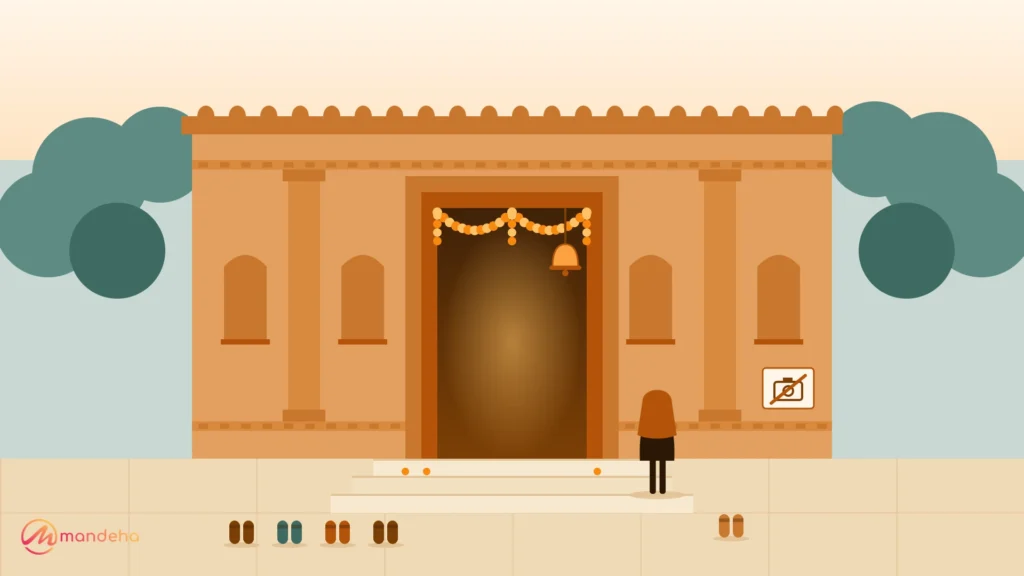
Respectful travel at cultural sites in India protects both the places and your own experience.
- Dress for the place. Cover shoulders and knees at places of worship, and carry a scarf.
- Ask before you photograph. Some shrines ban photography, and people deserve to be asked.
- Follow local customs. Remove shoes where asked and follow the lead of locals.
- Buy from makers. Pay fair prices at craft clusters and avoid bargaining hard for handmade work.
- Leave no trace. Carry your waste out, avoid plastic offerings and never touch or climb on carvings.
Respect is also good psychology. When you act as a guest rather than a spectator, people open up and the encounter becomes two-way. That is what keeps India cultural tourism sustainable for the communities that host it. For more, see the general guide linked above.
Final Thoughts on India Cultural Tourism
India cultural tourism is growing because travellers want more than a view. They want awe, connection and something to carry home. The heritage is already here, from 44 World Heritage Sites to festivals and crafts that are still part of daily life. What makes the difference is how the trip is designed for the mind. If you are planning a cultural journey, or building one for your guests, and want it shaped around how people actually think and feel, talk to a Mandeha travel psychologist.
Frequently Asked Questions
What are examples of cultural tourism in India?
Popular examples include the Ganga aarti in Varanasi, Durga Puja in Kolkata, a Ladakhi homestay, block printing in Jaipur and the Hornbill Festival in Nagaland.
Which Indian states are best for cultural tourism?
Rajasthan, Uttar Pradesh, Tamil Nadu, Karnataka, Kerala, West Bengal and Odisha lead for heritage and living traditions. Nagaland, Assam and Meghalaya stand out for festivals and tribal culture.
How is cultural tourism in India changing?
It is moving from sightseeing to participation. Skyscanner’s 2026 index found 67% of Indian travellers now plan holidays around heritage, festivals and food.
Why are younger Indian travellers choosing cultural experiences?
They want identity, skills and memories, not just photos. A 2025 Skyscanner report found 84% of Millennials and 80% of Gen Z planned culture-focused trips.
How can travellers be respectful at cultural sites in India?
Dress modestly, remove shoes where asked and ask before photographing people or rituals. Buy directly from artisans and never touch or climb on carvings.
What role does travel psychology play in India’s cultural tourism?
It helps design cultural trips that create awe, belonging and learning rather than fatigue. Mandeha uses its LEGIT framework to prepare travellers and pace each experience.
