- A Traveller's Guide to Feeling at Home Anywhere
- What Is Culture Shock?
- The Stages of Culture Shock
- Why Unfamiliar Places Feel Disorienting at First
- How Long Does Culture Shock Last?
- 5 Signs You're Experiencing Culture Shock
- How to Adjust to a New Place, Faster
- Feeling Homesick Abroad: What Helps
- How a Travel Psychologist Can Help
- Conclusion
- Frequently Asked Questions
A Traveller’s Guide to Feeling at Home Anywhere
| Key takeaways • Culture shock is a normal psychological response to an unfamiliar place, not a sign you are travelling wrong. • It moves through predictable stages: honeymoon, frustration, adjustment and acceptance. • Most culture shock eases within a few weeks, though the timeline varies by person and trip length. • Small routines, familiar anchors and local connection speed up adjustment. • If disorientation does not ease, or stops you enjoying travel altogether, a travel psychologist can help. |
You land, and for a day or two everything feels thrilling. Then the excitement fades and something else creeps in: tiredness, irritation, a strange homesickness for a life you weren’t even missing yesterday. This is a very common reaction, and almost every traveller meets it at some point. Understanding what it is, why it happens, and how long it tends to last makes it far easier to move through.
At Mandeha, we work with travellers on exactly this kind of adjustment. In this guide, a travel psychologist walks through what it actually is, its stages, and practical ways to feel at home in an unfamiliar place faster.
What Is Culture Shock?
Culture shock is the disorientation a person feels when moving into an unfamiliar environment or culture, where the everyday cues they normally rely on (language, food, customs, pace of life) suddenly don’t apply. It is a normal psychological adjustment, not a personal weakness, and it affects short-term travellers as well as people relocating abroad.
The feeling can be subtle. It is rarely one dramatic moment. More often it is a build-up of small frictions: not knowing how to order food, misreading social cues, or feeling exhausted by decisions that would be automatic at home. UC Berkeley’s International Office describes it as the anxiety and disorientation that comes from operating in an entirely different cultural or social environment, and notes that it’s a normal part of adjusting, not a sign anything has gone wrong.
The Stages of Culture Shock
It typically moves through four recognisable stages, though not everyone experiences them in the same order or intensity.
- Honeymoon stage. Everything feels new and exciting. Differences seem charming rather than difficult, and you’re running on the energy of novelty.
- Frustration stage. The differences start to feel exhausting instead of exciting. Small misunderstandings, logistics and fatigue build up, and this is usually when people feel most disoriented.
- Adjustment stage. You start to develop a rhythm. You know which streets to walk, how to order what you like, and the place starts to feel navigable rather than overwhelming.
- Acceptance stage. The unfamiliar place starts to feel like a version of home. You’re not comparing every moment to your usual life anymore; you’re simply living in this one.
Not every trip runs through all four stages. A short holiday might only touch the honeymoon and frustration stages, while a longer stay abroad, or settling into a new city for work or study, usually moves through all of them.
Why Unfamiliar Places Feel Disorienting at First
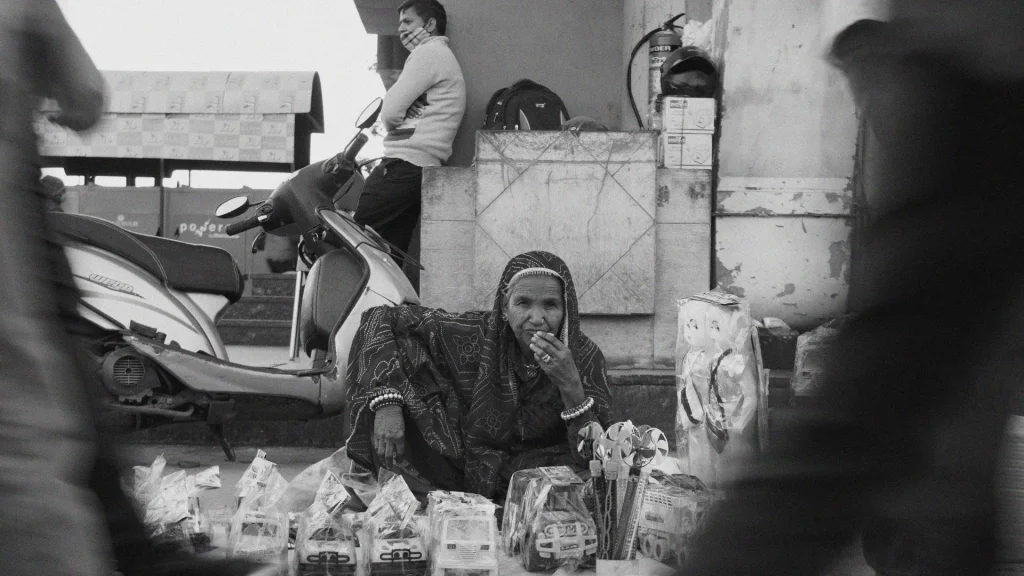
New environment travel asks your brain to relearn dozens of small, automatic cues at once: how to greet someone, where to look for signs, what a normal price feels like. None of these cues are reliable in an unfamiliar place, so your mind has to work harder for even simple tasks. That extra mental load is a major reason travel feels tiring in the first few days, even without much physical activity.
This connects closely to travel stress, which is often triggered by exactly this kind of uncertainty. Fear of the unknown in an unfamiliar environment is one of the most common travel stress triggers, and this disorientation is often what that fear feels like once you’ve actually arrived.
How Long Does Culture Shock Last?
For most travellers, the sharper discomfort of culture shock eases within one to three weeks, though this varies widely by person, destination and how different the new environment is from home. A short city break might only bring a day or two of adjustment. A longer stay in a very different culture can take a month or more to settle into fully.
Two things speed up the timeline: familiar routines, and genuine local connection. Two things slow it down: isolation, and a packed schedule that leaves no time to adjust.
5 Signs You’re Experiencing Culture Shock
Culture shock doesn’t always look like obvious distress. Common signs include:
- Feeling unusually tired or irritable without a clear physical cause
- Missing ordinary things from home, like your regular breakfast or your own bed
- Withdrawing from plans or people, even ones you were looking forward to
- Overthinking small interactions or decisions that would normally be automatic
- A low mood that lifts only once you’re back in a familiar routine
If you recognise several of these together, it is very likely culture shock rather than something being wrong with the trip itself.
How to Adjust to a New Place, Faster
Adjusting to a new place gets easier when you build in small anchors rather than trying to power through on willpower alone.
Before you go
- Learn a handful of local phrases. Even basic ones reduce the feeling of helplessness.
- Research one or two everyday things (how to pay, how tipping works, typical mealtimes) so they aren’t a surprise.
- Pack one or two familiar comfort items, even something small.
Once you arrive
- Give yourself a low-key first day rather than a packed itinerary.
- Find one local routine early, a café, a walking route, a market, and return to it.
- Talk to people where you can. Even short exchanges reduce the sense of being an outsider.
- Keep one thread of your normal routine, like a regular wake time or a call home, as an anchor point.
If it feels heavier than expected
- Name what specifically feels hard. Vague discomfort is harder to manage than a clear list.
- Give it time before deciding the trip or the place is “wrong.” Adjustment usually improves with days, not hours.
Feeling Homesick Abroad: What Helps
Feeling homesick abroad is a normal part of settling into a new place, especially in the frustration stage of adjusting to a new place. It is not a sign you should have stayed home. Short, scheduled calls with people you trust, a familiar snack or meal, and permission to have an “off” day without guilt all genuinely help. Homesickness tends to fade as the adjustment stage sets in, particularly once you’ve built a few local routines. If low mood after the trip lingers once you’re back, our guide to post-travel blues covers that stage in more depth.
How a Travel Psychologist Can Help

A travel psychologist helps you understand your own pattern of adjustment: what specifically triggers your disorientation, how it tends to show up for you, and what genuinely helps you settle faster. This is different from generic travel tips. It looks at your particular relationship with unfamiliar places, whether that’s from a single big trip, frequent travel, or a longer relocation.
Consider reaching out if:
- Culture shock consistently overwhelms the earlier, enjoyable parts of a trip
- You find yourself avoiding travel or relocation because of how disorienting it feels
- The adjustment period is affecting your sleep, appetite or mood well beyond the first couple of weeks
- You’re preparing for a significant move abroad and want to build coping tools in advance
You can explore travel psychology services for travellers or get in touch to talk through what would help in your situation.
Conclusion
Culture shock is one of the most predictable parts of travel, and also one of the most misunderstood. It isn’t a sign you’ve made a mistake. It’s your mind adjusting to a place that doesn’t yet feel familiar, and for almost everyone, that feeling passes. Give yourself small routines, a little patience, and time, and an unfamiliar place has a way of starting to feel like home.
If you’d like support preparing for a trip or working through a harder adjustment, explore our travel psychology services or reach out to us.
This article is for educational purposes and is not medical advice. If you are experiencing persistent distress, please consult a qualified mental health professional.
Frequently Asked Questions
What is culture shock?
Culture shock is the disorientation people feel when everyday cues from home – language, food, routines – no longer apply in a new place. It’s a normal adjustment response, not a personal failing, and it affects first-time travellers and long-term expats alike.
What are the stages of culture shock?
It typically moves through four stages: honeymoon (excitement), frustration (differences feel tiring), adjustment (a routine forms), and acceptance (the place feels familiar). Not every trip passes through all four.
How long does culture shock usually last?
For most travellers, the sharper discomfort eases within one to three weeks. Shorter trips may involve just a day or two of adjustment, while longer stays abroad can take a month or more.
Is culture shock normal, or a sign something is wrong?
It’s completely normal. Culture shock is a well-documented psychological response to unfamiliar environments, not a sign the trip or destination is wrong for you.
How do I deal with culture shock while travelling?
Small anchors help most: a local routine, familiar comfort items, a few local phrases, and real connection with people around you. A lighter first-day schedule also reduces the mental load driving it.
When should I talk to a travel psychologist about culture shock?
If disorientation lasts well beyond the first couple of weeks, affects your sleep or mood, or makes you avoid travel altogether, it’s worth reaching out. You don’t need to wait until it feels unmanageable.