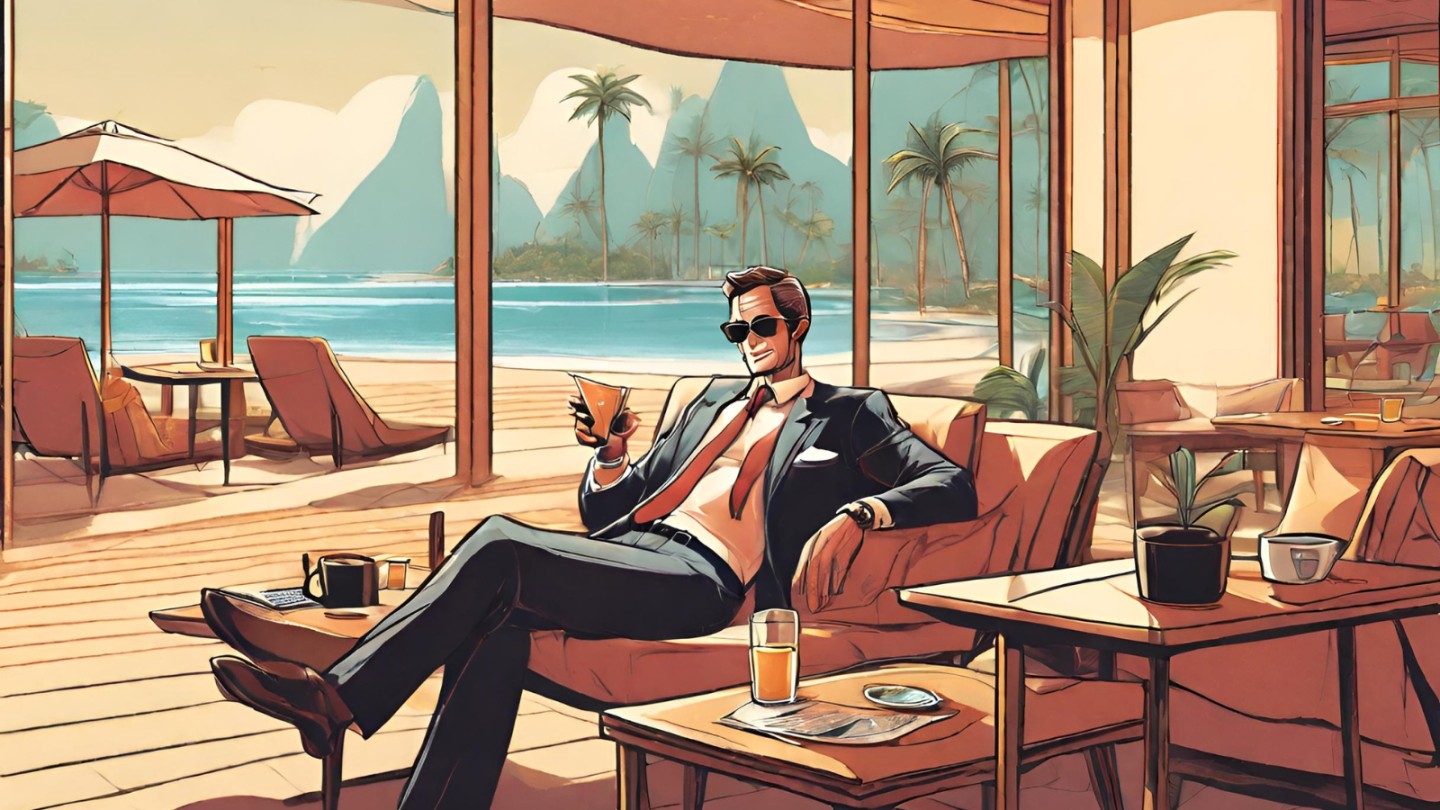
The professional landscape of 2026 has rendered the “one-day business trip” obsolete. What was once a frantic sprint through airports and boardrooms has evolved into a strategic necessity known as Bleisure 3.0. For the high-performing executive, travel is no longer a drain on resources; it is a mandatory window for Cognitive Decoupling ~ the intentional detachment from professional stressors to facilitate deep mental recovery.
With the global bleisure market now exceeding $850 billion, the focus has shifted from “adding a weekend” to “optimizing the human operating system.” In this new era, travel is the ultimate laboratory for testing relational intelligence and cognitive resilience.
What is the Primary Bleisure Trend for 2026?
The defining bleisure trend of 2026 is Hushpitality & Neural Resetting. Travelers are extending business stays by an average of 4.2 days to access “Silent Stays” and “Glow-cations”, trips specifically designed to lower cortisol and increase longevity. This shift prioritizes “Sustainable Productivity” over the outdated “Hustle Culture” of the early 2020s.
The Neuroscience of the “Travel Hangover” in Bleisure
To understand why bleisure is essential, we must look at the Prefrontal Cortex. Traditional business travel keeps the brain in a state of “Hyper-Vigilance.” Constant decision-making, from navigating TSA queues to negotiating high-stakes contracts, depletes your neural reserves which helps in regulating travel anxiety.
When you fly home immediately following a peak professional event, you bring that “Cognitive Load” back into your domestic life, leading to what we call Relational Friction. By failing to decouple, you are essentially trying to run a marathon on a broken ankle. The 2026 bleisure model utilizes the “Transition Buffer” to shift the nervous system from the Sympathetic (fight or flight) state back to the Parasympathetic (rest and digest) state. This isn’t just a vacation; it is a clinical necessity for long-term executive performance.

2026 Trend Deep-Dive: From Recovery to Identity Expansion
The trends of 2026 reflect a deeper understanding of the “Traveler’s Psyche.” We are seeing a move away from passive sightseeing toward Active Psychological Engagement.
1. The Rise of “Hushpitality”
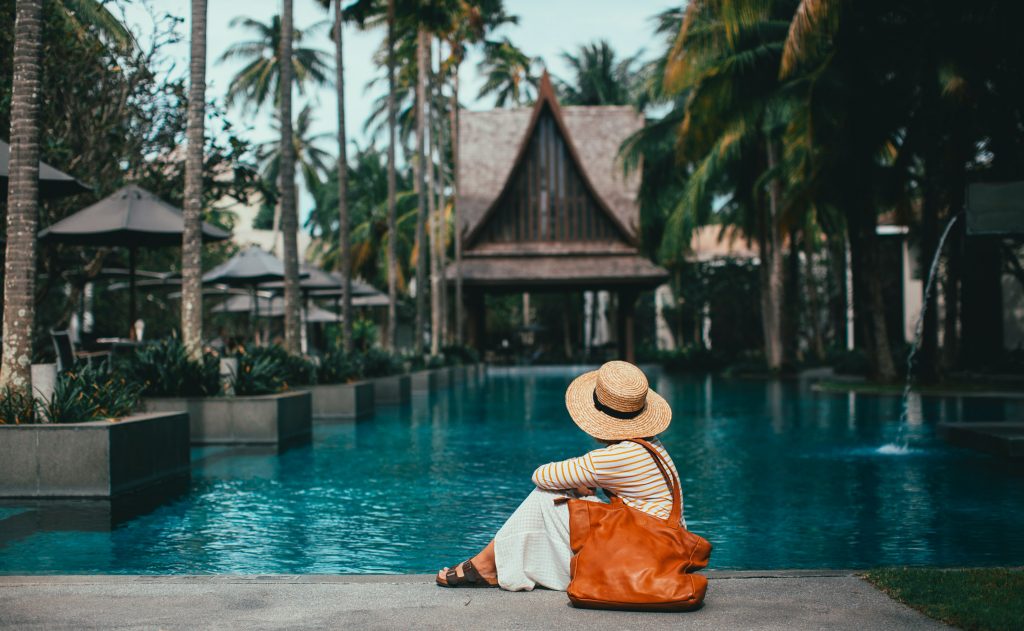
In 2026, silence is the ultimate luxury. High-intent travelers are no longer looking for the loudest rooftop bar; they are booking hotels that offer “Analog Zones” and acoustic isolation. This trend acknowledges that the modern professional is constantly bombarded by digital noise. A “Hushpitality” extension allows the brain to engage in Neural Pruning, the process of clearing out useless information to make room for new, creative insights.
2. Glow-cations and Longevity
The “Glow-cation” is the 2026 evolution of the wellness retreat. These are extensions focused on biohacking travel stress. We are seeing travelers use their leisure days to engage in hyperbaric oxygen therapy, personalized nutritional protocols, and circadian rhythm alignment. For the service-seeker, this represents an opportunity to return to the office not just “rested,” but physically optimized.
| 2026 Core Bleisure Travel Trends | High-Intent Focus | The Psychological ROI |
| Hushpitality | Seeking “Silent Hubs” and sensory-controlled rooms. | Drastic reduction in “Decision Fatigue” and sensory overload. |
| Glow-cations | Travel focused on sleep-hygiene and biological longevity. | Physical restoration that matches mental breakthroughs. |
| Inheritourism | Bringing family members to the destination post-conference. | Strengthening “Relational Intelligence” through shared growth. |
| AI-Managed Flow | Real-time itinerary adjustments based on biometric stress. | Eliminating “Travel Dread” via seamless, proactive logistics. |
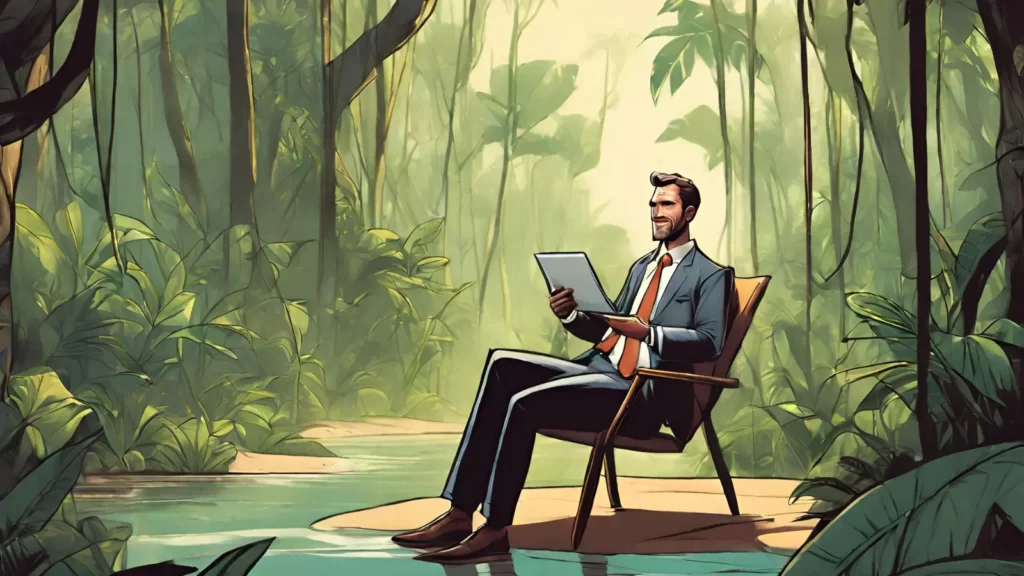
The “Mandeha” Strategic Framework: Designing Your 2026 Stay
To ensure your next bleisure trip ranks as a high-value experience rather than a cluttered itinerary, follow this three-step implementation:
1. Establish the “Decoupling Zone”
Do not check out of your “Business Hotel” and into a “Leisure Resort” on the same day. Create a 12-hour buffer where your only goal is sensory deprivation. This “Zero-Input” period acts as a palate cleanser for the brain, ensuring you don’t carry the stress of the boardroom into your leisure extension.
2. Prioritize “High-Density” Localism
Avoid generic tourist traps. High-intent travel in 2026 is about Identity Expansion. Choose one activity that challenges your current skill set: a local architectural workshop, a deep-dive culinary class, or a guided cultural exchange. These experiences produce a “Mental Flex” that increases cognitive flexibility back at work.
3. The “Relational Integration” Phase
If you are traveling for business, your absence creates a vacuum in your personal relationships. The most effective 2026 bleisure travelers use the final 48 hours of their trip to fly in a partner or family member. This transforms a solo professional journey into a shared experience, repairing the relational distance that corporate travel often creates.
Transform Your Perspective on Professional Travel
If your current travel schedule feels like a cycle of diminishing returns, it is time to move beyond logistics and into the realm of Travel Psychology. In 2026, the competitive advantage belongs to those who know how to rest as intensely as they work.