Quick Answer: The psychology of traveling with friends shows that group trips are rarely about avoiding loneliness. They’re about building trust. Shared travel puts people through stress, decisions, and unfamiliar situations together, and psychologists say these repeated moments are what deepen a friendship’s sense of security.
You book the trip. You split the itinerary. You argue, mildly, about which cafe to try first. None of that sounds like therapy. But psychologically, it functions like one.
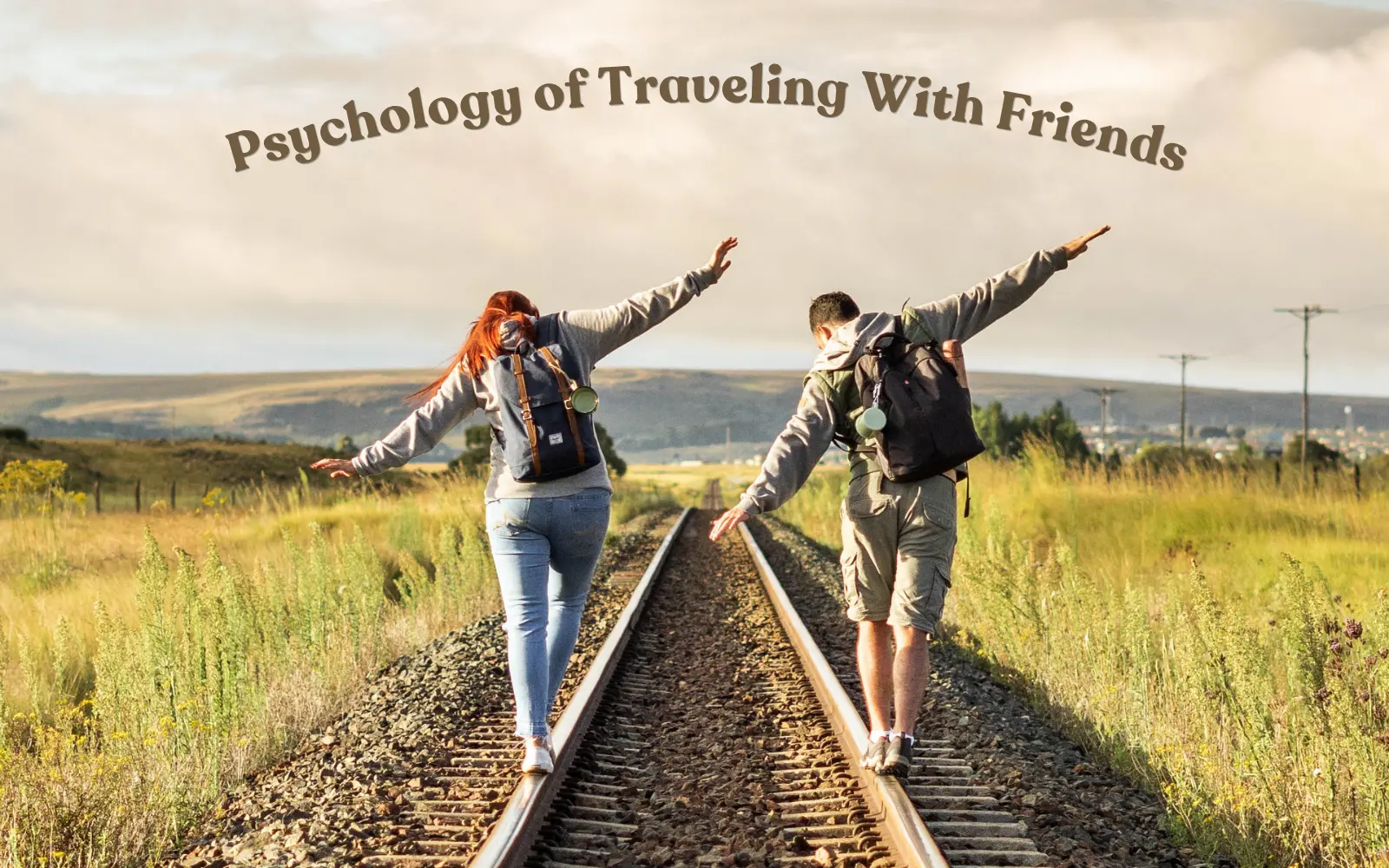
The psychology of traveling with friends isn’t really about the destination. It’s about what happens between two people when the daily script disappears. No commute, no meetings, no default roles. Just decisions, made together, in real time. That’s where trust gets tested, and where it gets built.
The psychology of traveling with friends, Research by psychologist
None of this is guesswork. A handful of well-established psychological theories explain, from different angles, why we travel with friends does more for a relationship than the same number of hours spent apart.
- Belongingness Theory (Roy Baumeister and Mark Leary) argues that humans have a fundamental need to form lasting, stable relationships. Friendship satisfies part of that need. Shared travel accelerates it, because it compresses months of ordinary interaction into a few intense days.
- Self-Determination Theory (Edward Deci and Richard Ryan) adds a second layer. People experience greater well-being when three needs are met: autonomy, competence, and relatedness. A friend trip touches all three at once. You choose the plan together (autonomy), you solve problems on the fly (competence), and you do it alongside someone who has your back (relatedness). Few everyday situations combine all three the way travel does.
- Attachment Theory (John Bowlby, later extended by Mary Ainsworth) explains why this matters so much. People with a secure attachment style tend to seek closeness through shared, dependable experiences rather than avoid it. A friend trip is a live test of that security: can you rely on this person under mild stress, and can they rely on you?
- Social Penetration Theory (Irwin Altman and Dalmas Taylor) describes how relationships deepen through gradual, reciprocal self-disclosure, moving from surface-level small talk to more personal layers. Psychology of traveling with friends compresses this process. Long journeys, shared rooms, and unplanned downtime create natural openings for the kind of disclosure that would otherwise take months to happen organically.
This is worth separating from Mandeha’s own distinction between healing and escape travel. Group travel driven by connection is healing. Group travel psychology used to avoid sitting alone with yourself is closer to escape. The same itinerary can be either, depending on what’s actually motivating it.
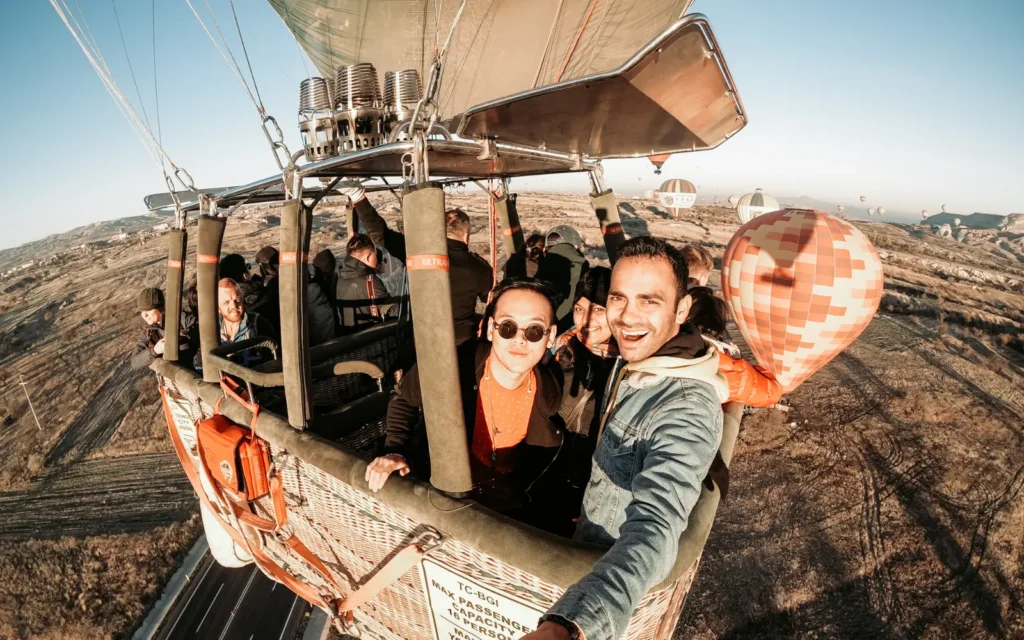
Trust isn’t given. It’s built, Planning a trip with friends.
Here’s the mechanism. Travel puts people in unfamiliar situations: a missed train, a bad hotel room, a plan that falls apart by 11am. Friends watch how each other handle stress, change, and disappointment in real time. That’s not small talk. That’s data.
A 2023 academic chapter by researchers Mona Mirehie and Iryna Sharayevska examined family travel through the lens of positive psychology, published as a chapter titled “Family Travel, Positive Psychology and Well-Being.” Their work found that shared travel experiences strengthen relationships, communication, and overall well-being well after the trip ends. The study focused on family travel specifically, not friend groups, but the underlying mechanism, shared stress and shared problem-solving building connection, holds up across close relationships generally.
Every solved problem on the road becomes evidence. You can count on this person. That evidence is what trust is actually made of.
Group travel isn’t an escape from loneliness
The instinct to read group travel psychology as compensation for loneliness gets the direction backwards. Recent industry data supports this. In a 2026 travel behavior survey, 86% of respondents said spending quality time with friends or family was a key priority when planning a trip, with friends specifically named as travel companions by nearly a third. That’s not the profile of people filling an empty calendar. That’s people actively investing in relationships they already value.
Broader 2026 travel trend reporting points the same direction: travelers are increasingly seeking group tours, communal activities, and structured social experiences as a direct response to screen-heavy, isolated daily life. Group travel, in other words, is less an alternative to connection and more a deliberate correction for its absence in ordinary life.
This is worth reading alongside Mandeha’s own research on the psychology of solo travel. Solo travelers aren’t lonely either. They’re often practicing a different psychological skill: self-reliance instead of relational trust. Neither style is a red flag. They’re two different, equally valid ways of using travel to meet a real psychological need.
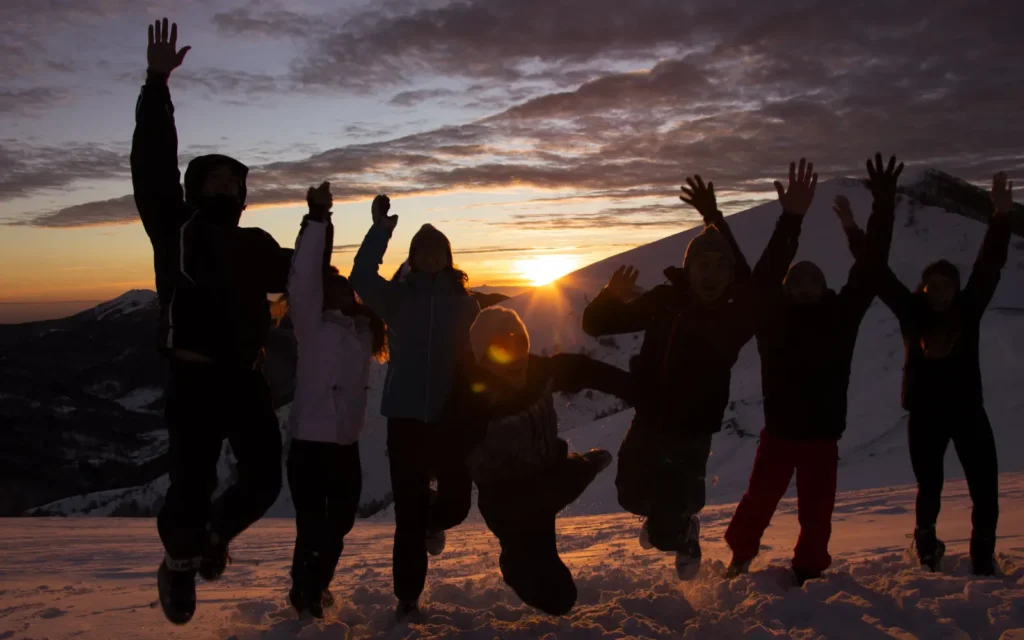
What this reveal about your attachment style
How you behave on a group trip is a decent mirror for how you handle closeness generally. Do you default to compromise, or do you quietly resent it? Do you ask for what you need, or wait to be asked? Do unexpected problems bring you closer to your travel companions or make you want to disappear into your headphones?
None of these are verdicts. They’re information. Travel simply removes the usual buffers, routine, distraction, private space, that let people avoid noticing their own patterns. That’s part of what makes it such a useful lens for exploring yourself and understanding the world around you, which is exactly the territory Mandeha’s broader travel psychology research is built around.
Conclusion of why we travel with Friends
Benefits of traveling with a friend group was never really about the itinerary says travel psychologist. It’s a low-stakes, high-information environment for practicing trust, in real time, with people who already matter to you. The couple that plans that trip, the friend group that keeps choosing each other year after year, they’re not avoiding loneliness. They’re doing the quiet, repeated work that keeps a relationship secure.
FAQs on psychology of traveling with friends
What does the psychology of traveling with friends actually reveal?
It reveals how you build and test trust under real conditions. Shared decisions, unexpected stress, and problem-solving on the road compress months of ordinary relationship-building into a few days, which is why friend trips tend to deepen bonds faster than routine hangouts do.
Does liking group trips mean you’re not lonely?
Not necessarily the opposite of what people assume. Choosing to travel with friends is more often a sign of active investment in relationships you already value than a symptom of loneliness or a search for company you’re missing.
Is traveling with friends better for mental health than solo travel?
Neither is objectively better. Group travel builds relational trust and belonging, while solo travel builds self-reliance and independence. Both meet real, distinct psychological needs, and the right one depends on what you’re looking to strengthen.
What psychological theories explain why people enjoy traveling with friends?
Belongingness Theory (Baumeister and Leary) explains the underlying need for connection, while Self-Determination Theory explains why psychology behind traveling in groups feels so satisfying: it meets the needs for autonomy, competence, and relatedness simultaneously.
How does travel build trust between friends?
Unfamiliar situations force real decisions and reveal how people handle stress, disappointment, and change. Watching a friend handle a missed train or a bad plan with patience becomes concrete evidence of reliability, which is what trust is ultimately built from.
What’s the difference between traveling with friends for connection versus escape?
Connection-driven travel comes from wanting to deepen a relationship you value. Escape-driven travel comes from avoiding time alone with yourself. The activity can look identical from the outside, but the underlying motivation changes what the trip actually does for you psychologically.