Wellness travel in 2026 is a $1.06 trillion industry, and it’s growing because travel stress and anxiety are real problems, not excuses. Most travelers book trips hoping to feel better, but return home just as drained because their minds weren’t part of the plan. This post covers what wellness travel really means in 2026, why stress on journeys is rising, and how working with a travel psychologist helps you turn any trip into lasting change.
You booked the trip. You packed your bags. You told yourself this time would be different.
But somewhere between the flight delay, the unfamiliar hotel room, and the pressure to make every moment count, the stress crept back in. You’re not alone. Research shows that as many as 11.3% of travelers experience mental health issues on their journeys, with anxiety being the most common. Yet wellness travel in 2026 has become a $1.06 trillion industry, because people everywhere are finally asking a better question: what if my trip was designed with my mind in mind?
The truth about wellness travel isn’t just about spa menus and mountain views. It’s about understanding what your mind needs to genuinely reset and getting the right support to make that happen. Let’s break it all down.
What Is Wellness Travel in 2026?
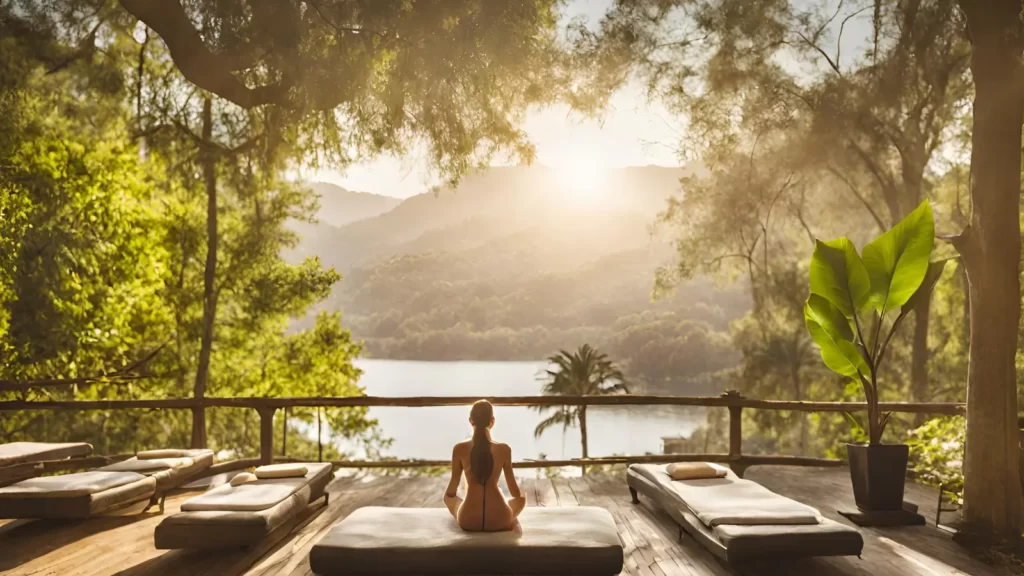
Wellness travel is any trip taken with the deliberate intention of improving your physical, mental, or emotional health. In 2026, it has evolved well beyond spa days and yoga retreats. It now includes psychological preparation, nervous system support, personalized itineraries, and mental health integration before, during, and after your journey.
The definition has widened because the needs have changed. Travelers today aren’t just looking to relax. They want to feel genuinely restored. According to the International Luxury Travel Market, over 90% of luxury travelers now actively seek wellness programs when booking a trip. That number tells you this is no longer a niche preference. It’s become the standard.
What sets 2026 apart is the move toward psychological and nervous system care as the core of the wellness travel experience. Retreats and hotels are now designing programs around nervous system reset, sensory detox, and emotional restoration rather than surface-level relaxation. Wellness journey has grown up and so has its relationship with mental health.
Why Are Travelers More Stressed Than Ever?
Travel stress and anxiety are now widespread problems, not personal weaknesses. Research shows that about 40% of travelers experience anxiety during take-off and landing, over half feel anxious about flight delays, and a third worry about customs and baggage claims. And those are only the stressors before you’ve even arrived.
The pressure doesn’t stop there. A Babbel survey found that 69% of Gen Z travelers have canceled or changed travel plans because of anxiety. The most common triggers are fear of language barriers, not saving enough money, and not feeling prepared. Social media adds another layer: the constant pressure to document a “perfect” trip keeps the mind in a state of performance rather than rest.
The CDC confirms that travel-related stress can trigger or worsen existing mental health conditions. Jet lag, isolation, culture shock, and disrupted routines can all push an already stretched nervous system past its limit. This is why the rise in travel stress is something we’ve been tracking closely. It’s not slowing down. And it’s the single biggest reason wellness travel needs a psychological foundation.
The Wellness Travel Boom: What the Numbers Tell Us
The global wellness tourism market is now valued at $1.06 trillion in 2026, growing at a compound annual growth rate of 9.6%. Research and Markets projects this will rise to $1.54 trillion by 2030. That’s not just impressive growth. It’s a signal that millions of people worldwide have decided their mental and physical health deserves to be a travel priority.
The Global Wellness Institute reports that wellness tourism is among the fastest-growing sectors of the entire $6.8 trillion wellness economy. India is one of the standout growth leaders, with massive increases in wellness travel in 2026 spending year over year. That matters if you’re in the region and looking for evidence that this shift is real and close to home.
What’s driving this boom? It comes down to three things: rising stress levels, a post-pandemic shift in what people value from travel, and a growing demand for experiences that produce measurable mental health results. Travelers are no longer satisfied with a trip that simply removes them from their problems for a week. They want to come home changed. If you’d like to go deeper into what that looks like practically, our ultimate guide to wellness tourism covers the full picture.

Does Wellness Travel Actually Help Your Mental Health?
Yes, but only when it’s approached with psychological intention. The benefits of travel are real, but they fade fast without structure. Research shows that the positive mental health effects of a vacation fade quickly, in as little as a few days for 40% of people. A trip without a mental wellness framework is like pressing pause on your stress, not solving it.
When done well, though, the results are significant. The American Psychological Association found that 57% of working adults return from vacation feeling more motivated and less stressed. Studies also show that the benefits of a well-designed vacation can last between 15 and 45 days after returning home. The difference between a trip that leaves you recharged for six weeks and one that fades in two days comes down to whether your mind was genuinely part of the wellness journey.
This is precisely what science-backed travel therapy addresses. When psychological tools are built into the travel experience, the mind gets the same level of care as the body. That’s when travel stops being escapism and starts being genuine transformation. A 2025 study published in ScienceDirect describes tourism as “an informal, adaptive form of mental health intervention,” which is a powerful reframe. Travel, done right, is medicine.
What Does Real Wellness Travel Look Like in 2026?
Real wellness travel in 2026 is built around how you want to feel, not just where you want to go. It prioritizes nervous system regulation, mental restoration, and personalized programming over luxury alone. The destination matters less than the intentionality behind the experience.
Here’s what’s shaping the landscape right now. The Global Wellness Summit’s 2026 trends report places nervous system exhaustion at the center of the wellness conversation. Modern life, with its constant digital input, blurred work boundaries, and global uncertainty, keeps many people trapped in a low-grade state of fight-or-flight. The best wellness travel in 2026 is designed to interrupt that cycle.
Specific trends defining the year include nervous system reset retreats using breathwork, somatic therapy, and forest immersion. Around 63% of travelers in 2026 choose personalized wellness programs over generic resort stays. Sound healing has entered mainstream luxury wellness. Digital detox travel is rising sharply, with guests intentionally removing themselves from constant screen stimulation. Family wellness is growing, driven by parents looking for structured programs that support the emotional health of their children.
What unites all of these trends is the same insight: wellness travel works when it treats your mind as the starting point, not an afterthought. You can explore more about what unlocking your emotional wellbeing through travel looks like in practice on our blog.

The Role of a Travel Psychologist in Your Journey
A travel psychologist helps you get genuinely more from every trip by addressing the mental dimension of travel: the anxiety before departure, the overwhelm during the journey, and the post-travel blues when you return home.
This role is distinct from a travel agent or wellness coach. A travel psychologist works with your psychological profile to build a journey that supports your actual mental health needs. They help you set meaningful intentions, prepare for culture shock, manage anxiety triggers in transit, and process the experience after you return so the benefits last. The CDC recommends including basic mental health screening in every pre-travel consultation for international travelers. At Mandeha, we go further: we build that psychological preparation into the entire arc of your wellness journey.
The ScienceDirect research confirming travel as an informal form of mental health intervention reinforces why psychological expertise matters here. A qualified travel psychologist brings structure to what is otherwise an unguided experience. They’re the difference between hoping a trip will help and designing a trip that does. Whether you’re traveling for personal restoration or representing your wellness brand, our travel psychology service is built for this exact purpose.
How Do You Manage Travel Stress and Anxiety on Your Journey?
Managing travel stress and anxiety requires support across three phases: psychological preparation before you travel, grounding tools during the journey, and structured integration after you return. A travel psychologist helps you design all three.
Before you travel, the focus is on goal-setting, identifying your personal anxiety triggers, and building a mental plan for the predictable stressors. Knowing that over 50% of travelers feel anxious about flight delays means you can prepare for that specific trigger rather than being caught off guard. During travel, the tools include grounding techniques, mindfulness practices for unfamiliar environments, and support for managing culture shock. These aren’t generic tips. They’re tools chosen specifically for how your mind responds to stress. After you return, the integration phase is where lasting change happens. Processing the experience, anchoring what shifted, and carrying those insights back into daily life is what separates a meaningful wellness journey from a brief escape.
Working through our Travel Psychology Journey program is how we support this full-cycle experience at Mandeha. It’s not a retreat package. It’s a structured psychological process that uses travel as its tool. And if travel anxiety is something you’re already dealing with, that’s the right place to start.

Wellness Journey in 2026 is real
Wellness travel in 2026 is real, it’s growing fast, and it works. But only when the mind is included in the plan. Travel stress is rising. The benefits of unsupported travel fade quickly. And the gap between a trip that restores you and one that leaves you drained comes down to one thing: psychological intentionality.
Here’s what you can take away from all of this. First, travel anxiety and stress are not personal failures. They’re widespread and documented. Second, wellness travel in 2026 delivers genuine mental health benefits when it’s built around your psychology, not just a destination. Third, a travel psychologist is the missing link between a nice holiday and a life-changing journey.
If you’re ready to design a trip that actually supports your mental health, reach out to us at Mandeha. Let’s build your 2026 wellness journey together.
Frequently Asked Questions
What is wellness travel in 2026?
Wellness travel in 2026 is travel designed with the deliberate intention of improving your physical, mental, or emotional health. It goes far beyond spas and retreats. It now includes nervous system regulation programs, personalized mental health support, digital detox experiences, and psychological guidance. According to Research and Markets, the wellness tourism industry is valued at $1.06 trillion in 2026 and is projected to reach $1.54 trillion by 2030.
How does travel affect mental health and anxiety?
Travel can both help and worsen mental health, depending on how it’s approached. Research shows that 11.3% of travelers experience mental health issues during their wellness journeys, most often anxiety. Stressors include flight anxiety, planning pressure, culture shock, and jet lag. When travel is psychologically supported, it can reduce stress, boost self-esteem, and improve life satisfaction. Without support, the benefits fade fast. The CDC advises that travel-related stress can trigger or worsen existing mental health conditions.
What does a travel psychologist do?
A travel psychologist applies psychological expertise to the full arc of your travel experience: before, during, and after a trip. They help you set meaningful intentions, prepare for known stressors like culture shock or flight anxiety, use grounding tools mid-journey, and integrate the experience on your return. At Mandeha, our travel psychologist also supports wellness companies and hospitality professionals in designing programs that genuinely serve their guests’ mental health.
How long do the mental health benefits of travel last?
Research shows that well-designed vacations can produce measurable mental health benefits lasting between 15 and 45 days. However, for 40% of travelers the positive effects fade within just a few days of returning to daily life. The key factor is psychological intentionality. Trips built around mental wellness goals, guided by a travel psychologist, consistently produce results that last far longer than unstructured holidays.
How can I reduce travel stress and anxiety on my journey?
The most effective approach works in three stages. Before your trip, build a psychological plan that accounts for your specific triggers: flight anxiety, planning stress, or fear of the unknown. During travel, use grounding techniques and mindfulness tools tailored to your mental profile. After returning, go through a structured integration process to anchor the changes you experienced. If you’re dealing with significant travel anxiety, working with a travel psychologist before departure is the most direct way to build confidence for your wellness journey.