
Travel anxiety is more than just “pre-trip jitters.” As a psychologist, I define it as a complex stress response to leaving one’s safe environment. It often manifests as pre-travel dread, insomnia, and a persistent sense of “impending doom.” In 2026, as digital noise and global uncertainty increase, the “invisible suitcase” of stress travelers carry has become heavier.
By understanding the neurobiology of fear and using modern strategies like Calmcations, you can move from merely surviving your trips to truly thriving in them.
The Neuroscience of Travel Anxiety: Why Your Brain Triggers Fear
To understand how to overcome travel anxiety, we must look at the brain’s “alarm system.” When you prepare for a journey, your Amygdala perceives “new” as “threat.”
While your logical mind knows you are going to a resort, your nervous system scans for risks: Will I get lost? What if the flight is delayed? This creates hyper-vigilance, leading to racing thoughts before travel and nausea before flying. Acknowledging this is the first step in REBT for travel anxiety, reframing “threat” signals into “excitement” signals.
Expert Insight: For a deeper look at the chemistry behind this, read our guide on Travel Therapy for Stress: The Science-Backed Guide.
Newport Institute describes travel anxiety as persistent worry or fear related to traveling or anticipating travel, involving emotional, mental, and physical symptoms. It exists on a spectrum. Some people manage mild jitters on their own. Others find that anxiety has started changing their decisions and shrinking their world.

2026 Travel Trends: The Rise of Calmcations and Hushpitality
The travel landscape has shifted. We are now in the era of the Calmcation, trips designed with the singular goal of mental regulation.
Related to this is Hushpitality. Travelers now seek “quiet-certified” accommodations to combat travel insomnia. Choosing a destination that prioritizes “intentional slowness” also known as a Whycation, can preemptively lower your cortisol levels. As I’ve noted in our Travel Stress is on the Rise report, managing these environmental factors is crucial for long-term mental health of travellers.
How to Stop a Panic Attack on a Plane
If you experience a panic attack on a plane, remember it is physically impossible for a panic attack to last forever.
Using Paced Breathing for Flight Anxiety
Use diaphragmatic breathing (inhale for 4, hold for 2, exhale for 6) to signal your vagus nerve to “stand down.” If you struggle with aerophobia, remind yourself that turbulence is simply “road bumps in the sky.” Informing a flight attendant that you are an anxious traveler creates a supportive “safety net.”
REBT for Travel Anxiety: Reframing “Threat” into “Excitement”
Rational Emotive Behavioral Therapy (REBT), developed by Albert Ellis, is a powerful tool for dismantling travel anxiety. At its core, REBT follows the ABC Model:
- A (Activating Event): The plane hits turbulence.
- B (Beliefs): “This is dangerous, the plane might crash, and I can’t handle this.”
- C (Consequences): Panic, sweating, and a desire to flee.
The goal of REBT is to Dispute (D) those irrational beliefs. Instead of viewing the turbulence as a “threat” to your life, we reframe it as a “vigorous experience.”
The “Excitement” Pivot – When your heart starts racing at the gate, your “B” (Belief) usually labels it as anxiety. REBT encourages you to re-label that physiological arousal as anticipatory excitement. By telling yourself, “My body is simply powering up for a new adventure,” you move from a state of victimhood to a state of engagement. You aren’t “panicking”; your nervous system is simply “revving its engine” for the journey ahead.

Grounding Techniques: The 5-4-3-2-1 Method for Travel Anxiety
When the world feels like it’s spinning, the 5-4-3-2-1 grounding method is the gold standard for how to reduce travel anxiety immediately.
5 – Sight: Name 5 colors you see in the terminal.
4 – Touch: Feel the texture of your boarding pass.
3 – Sound: Listen for the hum of the air conditioner.
2 – Smell: Notice the scent of coffee or your perfume.
1 – Taste: Focus on the taste of a mint or water.
This sensory engagement is one of the most effective travel anxiety grounding techniques, as it forces the brain to process immediate data rather than “what-if” scenarios.
Pre-Trip Checklist for Anxious Travelers: Reducing the Unknown
Fear of the unknown thrives on a lack of information. To manage situational anxiety travel, follow this expert checklist:
- Reflect on Past Success: Read about how Experiential Travel is a Personal Breakthrough to remind yourself of the rewards of pushing through anxiety.
- Trigger Mapping: Identify if your stress is about logistics or the destination.
- Limit Information Overload: Avoid reading travel horror stories 48 hours before your trip.
- Best Apps for Managing Travel Anxiety 2026: Utilize tools like Calm or Mandeha’s psychological audio guides.
Solo Travel Anxiety Tips for Beginners
Traveling alone for the first time is a significant trigger for situational anxiety, as the “safety net” of a companion is removed. The tips to manage solo travel anxiety, I recommend a strategy of Graduated Exposure.
Start with a “Micro-Trip”
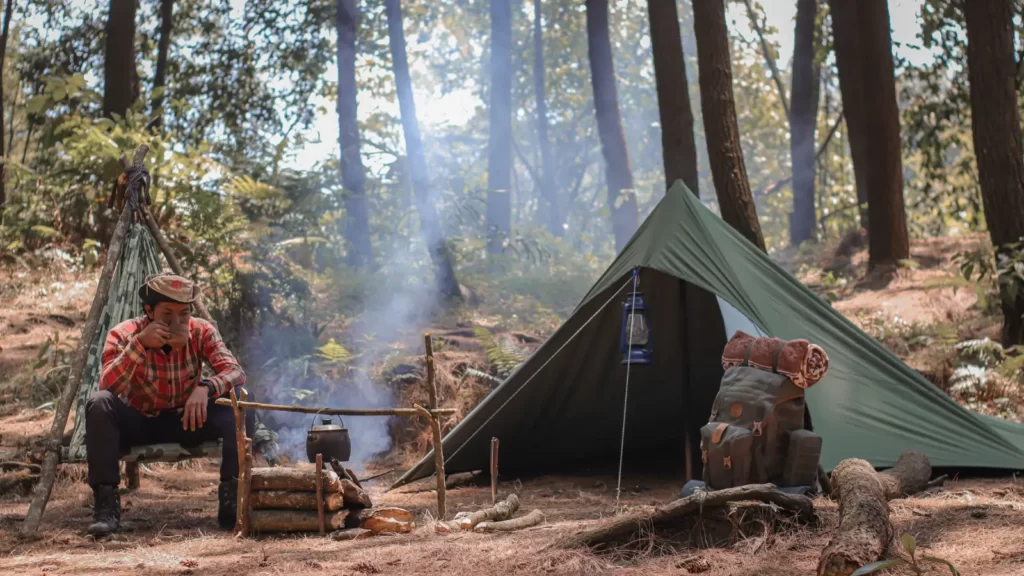
Don’t make your first solo experience a 15-hour flight to a country where you don’t speak the language. Start with a “Micro-Trip”—a one-night stay in a nearby city or a well-known district. This allows you to practice the logistics of solo travel (checking in, dining alone, navigating) with a low “cost of failure.”
The “Safety Anchor” Technique
For beginners, the fear of the unknown is the loudest voice. Create “Safety Anchors” before you leave:
- Pre-booked Transit: Ensure your ride from the airport to the hotel is confirmed.
- The “Check-In” Buddy: Have one person back home whom you text only at specific milestones. This provides a sense of connection without the pressure of constant updates.
- Download Offline Maps: Anxiety spikes when we feel “lost.” Having a working map without needing Wi-Fi is a massive psychological safety blanket.
Embrace “Hushpitality”
As a solo traveler, sensory overload can happen quickly. Choose accommodations that lean into the Hushpitality trend, smaller boutique hotels or wellness-focused stays. These environments are designed to be low-stimulation, giving your brain the “quiet time” it needs to process the day’s solo adventures.
Travel your Journey to Calm
At Mandeha, we believe travel should be an act of wellness. If you are tired of letting pre-travel dread dictate your life, our specialized psychological support is designed to help you rebuild your relationship with the world.
You deserve to look forward to your trips. Not just survive them.
If you’re ready to start that journey, we’re here. Reach out to us at Mandeha and let’s build the calm, confident travel experience you deserve. One conversation can change everything.


This will help me better with that negative feelings while travel, thanks.