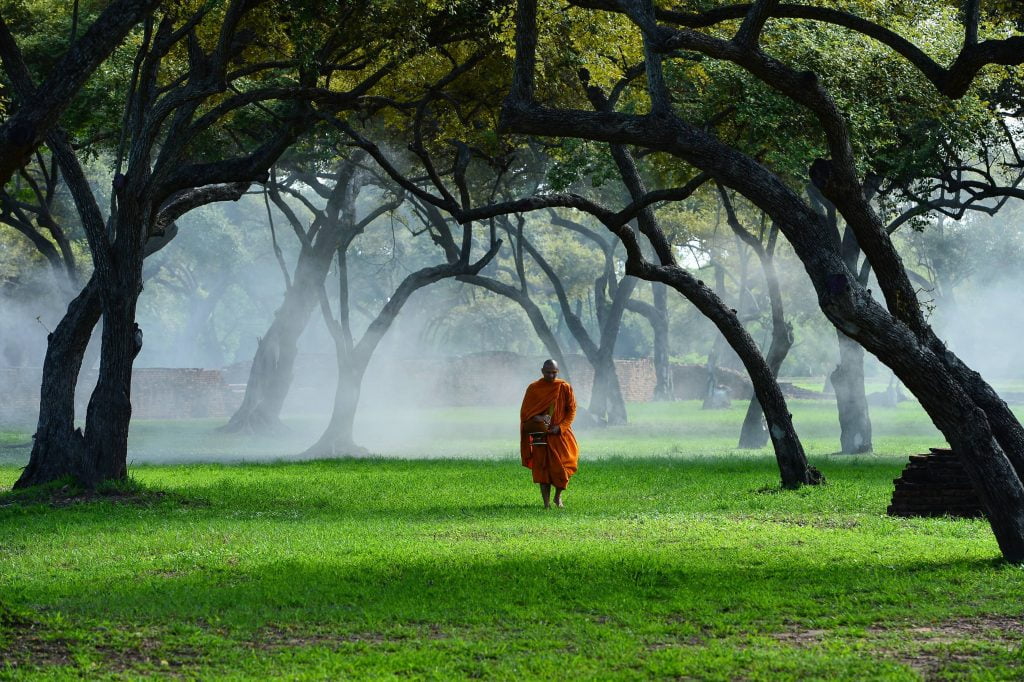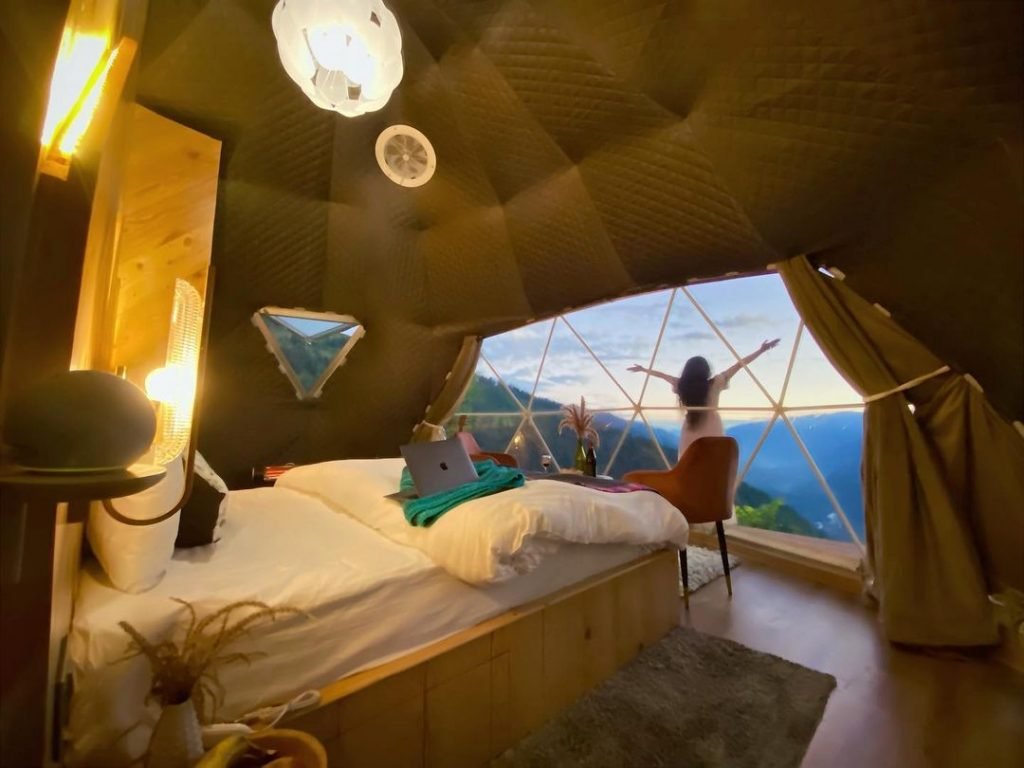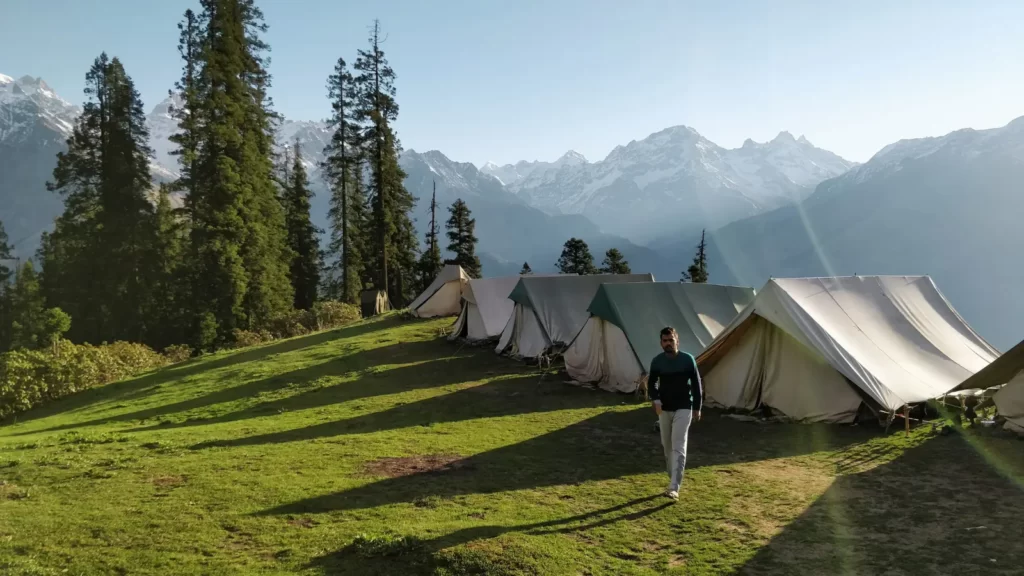

- Signs You Need a Wellness Trip
- Wellness Vacation Ideas (Matched to What You Actually Need)
- Solo Wellness Trip vs. Traveling with Others
- Self-Care Travel: What It Actually Means Psychologically
- Emotional Wellbeing Travel: How to Plan a Wellness Trip That Actually Recovers You
- How to Choose a Wellness Trip: A Decision Framework
- Wellness Travel Checklist: How to Plan a Wellness Trip in Practice
- Conclusion
- Frequently Asked Questions
Quick Answer: How to plan a wellness trip comes down to three steps: name the emotional need behind the trip, match the destination and pace to that need, and build in unstructured time to actually process the experience. A wellness vacation only works if it’s designed around what your mind and body are asking for, not a generic itinerary.
As a travel psychologist, I’ve sat with enough burned-out clients to know that “just book a vacation” is bad advice. I’ve seen people come back from a week in Bali more exhausted than when they left, because nobody taught them how to plan a wellness trip around their actual state of mind. It isn’t about the destination – it’s about matching the trip to what you need to feel, recover, or process. This guide covers reading your own signs, picking the right format, gathering wellness vacation ideas that fit you, real wellness vacation ideas, not generic ones – and building a wellness trip planning checklist you can follow.
Signs You Need a Wellness Trip
You probably need a wellness trip if you feel emotionally flat, chronically irritable, or unable to relax even when you have free time. These are the internal cues I check with clients before we plan a wellness trip.
Common signs include trouble sleeping even on weekends, dreading your inbox before you’ve opened it, feeling disconnected from people you love, or noticing that “rest” now means scrolling. None of these are diagnoses – they’re signals your nervous system wants a real break, not a getaway squeezed between deadlines.
This is the first real step in how to plan a wellness trip, it depends entirely on which signal you’re responding to. Someone touched-out needs something different than someone isolated and craving connection. If your goal is emotional wellbeing travel rather than just time off, the trip you plan has to match the specific depletion you’re carrying. Our travel and mental health research roundup breaks down how different states of depletion show up in the body. If you’re unsure whether you need rest or just distance from problems, read healing travel vs escape travel first.
Wellness Vacation Ideas (Matched to What You Actually Need)
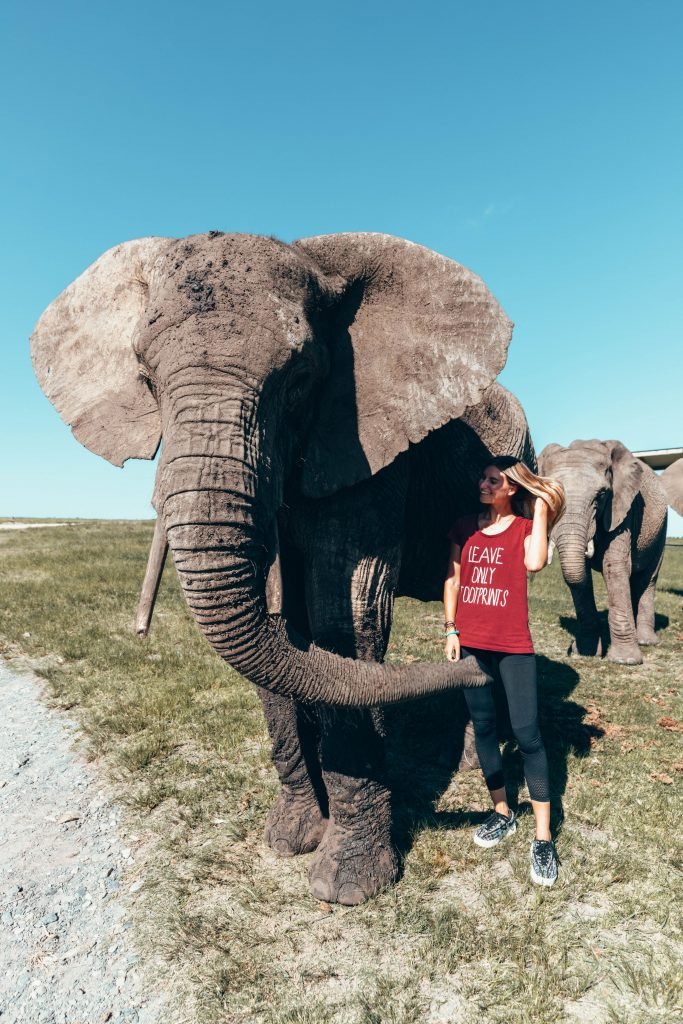
Wellness travel has grown fast: wellness tourism was worth $651 billion in 2022 and is forecast to reach $1.4 trillion by 2027, per the Global Wellness Institute’s Global Wellness Economy Monitor 2023. But market size says nothing about which trip is right for you.
The best wellness vacation ideas start with a feeling, not a location – that’s the mindset shift behind how to plan a wellness trip. Once you know what you’re depleted in, the destination becomes a detail, not the decision – which is really what how to plan a wellness trip should feel like.
Overstimulated and touch-starved: Slow, low-input trips – a quiet coastal town, a retreat with minimal scheduling, long unstructured days. This is one of the more common wellness vacation ideas for people in high-contact jobs (healthcare, customer-facing roles, parenting), and a good starting point for how to plan a wellness trip around burnout specifically.
Numb or disconnected: Among the wellness vacation ideas worth trying, this one calls for trips that reintroduce sensation – hiking, cold water, cooking classes, anything that pulls you into your body. Novelty here isn’t about excitement for its own sake; it’s about waking up feeling again.
Lonely or isolated: Small-group retreats with built-in community serve emotional wellbeing travel goals better than fully solo travel – structured connection does more for mood than scenery.
Anxious and hypervigilant: Predictable, low-decision trips – one base, a loose plan, familiar food. Too much novelty can backfire when your baseline is already anxious, so keep wellness vacation ideas simple when you plan a wellness trip around anxiety. If anxiety is the main driver, our guide to overcoming travel anxiety goes deeper.
If you’re browsing destinations rather than starting from a feeling, our best wellness retreats in India guide shows these wellness vacation ideas in practice. For the bigger picture on where the wellness travel industry is headed, see the truth about wellness travel in 2026 – that piece covers trends, not personal planning.
Solo Wellness Trip vs. Traveling with Others
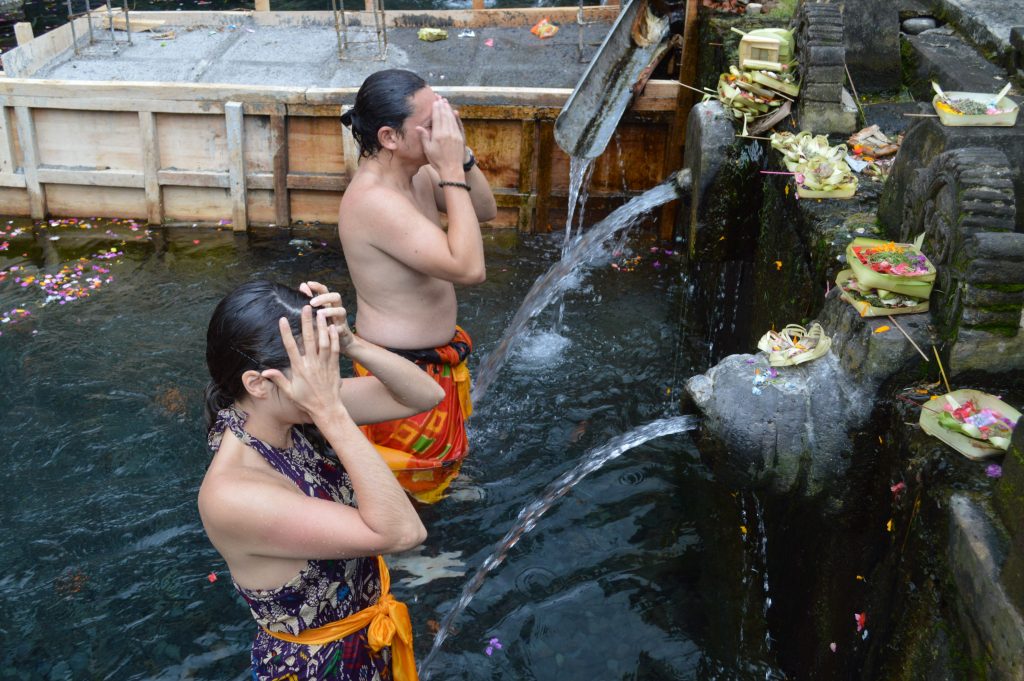
A solo wellness trip gives you uninterrupted access to your own thoughts; traveling with others gives you co-regulation and shared memory. Neither is automatically better – the right choice depends on what you identified above, and it’s a core decision in emotional wellbeing travel planning.
A solo wellness trip suits people who are touched-out, over-managed by other people’s needs, or craving decision-making autonomy. It removes the emotional labor of compromise. But a solo wellness trip can backfire for someone who’s already isolated – more alone time is the opposite of what emotional wellbeing travel should deliver for them. I go deeper into choosing a solo wellness trip, and preparing for the uncomfortable parts of any solo wellness trip, in the psychology of solo travel.
Traveling with others works best when the group agrees, ahead of time, on the trip’s purpose. A wellness vacation with friends who want to sightsee non-stop isn’t self-care travel – it’s a regular trip with a wellness label. If you’re planning a wellness trip with a partner instead of a solo wellness trip, have the “what do we each need” conversation before you book. The psychology of traveling with friends explains why group trips work like a trust exercise.
Self-Care Travel: What It Actually Means Psychologically

Self-care travel isn’t the same as indulgence travel. Psychologically, self-care travel means meeting a genuine need – rest, connection, movement, quiet – rather than just adding comfort or luxury on top of an already depleted state.
The American Psychological Association lists taking a genuine break from the stressor as one of its core evidence-based stress-management techniques (APA, 2019) – which is exactly what unhurried self-care travel is designed to do. A spa day layered onto a chaotic, over-scheduled trip isn’t self-care travel; it’s a Band-Aid. Real self-care travel asks what this specific trip needs to include, and leave out, for you to come back regulated instead of just tired differently. It might mean fewer activities, not more. It might mean saying no to an excursion your group wants to do.
This is the piece most people skip: self-care travel requires some restraint, and skipping it is the most common mistake in how to plan a wellness trip. Overpacking the itinerary – even with “wellness” activities like yoga and juice cleanses – can recreate the overstimulation emotional wellbeing travel is meant to relieve. Our intentional travel piece goes further into building self-care travel around purpose, not a checklist of experiences.
Emotional Wellbeing Travel: How to Plan a Wellness Trip That Actually Recovers You
Emotional wellbeing travel – a core part of how to plan a wellness trip – doesn’t start when you board the plane and doesn’t end when you land back home – the before and after matter as much as the trip itself. Planning a wellness trip without planning the transition periods is one of the most common mistakes I see, and it quietly undoes emotional wellbeing travel before it’s had a chance to work.
Before: Give yourself a genuine buffer day before departure. Rushing straight from work to the airport carries your stress state onto the trip with you. Emotional wellbeing travel research shows anticipation itself contributes to the benefit – start winding down a day or two early, not the moment you land. A calm pre-trip routine makes this easier.
During: Notice, don’t just consume. Deliberately savoring positive moments – pausing to notice them rather than rushing through – is linked to greater wellbeing, according to a 2021 review in Frontiers in Psychology (Bryant, 2021). Pair that with unstructured time, which gives your mind room to recover instead of staying on the move. If your phone keeps pulling you out of the moment, try a digital detox while traveling.
After: This is where most emotional wellbeing travel gets undone. Vacation-recovery research found wellbeing benefits fade quickly once routines resume, sometimes within the first week back (de Bloom et al., 2010). Protect one buffer day after returning, so the benefits settle instead of getting overwritten.
For more on how travel affects mood and stress over time, and how that shapes how to plan a wellness trip, see is travelling good for mental health and our pillar piece on how travel affects mental health.
How to Choose a Wellness Trip: A Decision Framework
How to plan a wellness trip and how to choose a wellness trip go hand in hand: it comes down to matching five factors – your emotional state, your energy level, your need for structure, your budget, and your timeline – rather than picking a destination first and hoping it works out. This is the practical core of how to plan a wellness trip once you know what you’re looking for.
At Mandeha, I use a framework called the LEGIT Travel Model to check a planned trip matches what someone needs emotionally, alongside the Tangible Travel Tool, a short self-assessment: try it here.
When people ask me how to choose a wellness trip, I tell them to start with the assessment, not the search bar. Knowing whether you need stimulation or stillness, solitude or company, structure or freedom narrows the field faster than scrolling destination lists. A wellness tourism guide can tell you what wellness tourism is; it can’t tell you how to choose a wellness trip that fits your specific life.
Wellness Travel Checklist: How to Plan a Wellness Trip in Practice
Use this wellness travel checklist once you know what kind of trip you’re planning – it’s the fastest way to sanity-check how to plan a wellness trip before you book:
- Named the emotional need behind the trip (not just “I need a vacation”)
- Chosen a pace (slow/low-input vs. active/novel) that matches that need
- Decided solo wellness trip vs. group trip, and had the “what do we need” conversation if traveling with others
- Built in at least one buffer day before departure
- Left unscheduled time in the itinerary – resist the urge to fill every day
- Set a realistic budget that won’t add financial stress afterward
- Built in at least one buffer day after returning, before work resumes
- Identified one thing you’ll deliberately not do, even if it’s popular at the destination
Notice how many items here are about subtraction, not addition – that’s deliberate. This wellness trip planning checklist isn’t about being rigid; it catches the mistakes that quietly undo a trip: overpacking the schedule, skipping transition days, forgetting self-care travel principles.
Conclusion
Three things to remember about how to plan a wellness trip: start from the emotional need, not the destination; protect buffer time before and after, not just during; and resist over-scheduling a trip meant to help you slow down. Ignore these and a wellness vacation tends to feel, in hindsight, like just another trip.
If you want help with your own plan, book a discovery consultation and we’ll work through it together.
Frequently Asked Questions
How do I plan a wellness trip?
Start by naming the emotional need behind the trip, then match the pace and structure to it. Add buffer days before and after, and leave real unscheduled time.
What are some good wellness vacation ideas for beginners?
Keep it simple: one base, a loose daily plan, and one wellness-adjacent activity like walking or a cooking class. A quiet weekend away with intention works as well as a retreat.
Is a solo wellness trip better than traveling with friends?
Neither is better; it depends on what you need. Solo suits those craving quiet and autonomy, while company suits those who need connection.
What counts as self-care travel versus a regular vacation?
Self-care travel is built around one specific emotional need. A regular vacation is built around sightseeing and a destination’s highlights.
How long does emotional wellbeing travel actually last after I’m home?
Research suggests the benefits often fade within the first week back at work (de Bloom et al., 2010). A buffer day after returning helps them last longer.
What should be on my wellness travel checklist before I book anything?
Name your emotional need, choose a matching pace, and plan buffer days before and after. Then decide between a solo wellness trip and company.