A Note from the Psychologist:
Before we go further, a quick distinction. If you searched “travel therapy” hoping to find information about travel physical therapist or occupational therapist careers, that is a different field entirely. This guide is written from an applied psychology perspective, specifically about how intentional travel functions as a therapeutic tool for stress, anxiety, and psychological recovery. That is our specialty at Mandeha.
You already know travel feels good. But here is what most wellness blogs will not tell you: the stress relief is not just in your head. Or rather, it is precisely in your head in your hypothalamic-pituitary-adrenal axis, your default mode network, your cortisol rhythm and the changes are measurable, reproducible, and clinically meaningful.
In my practice as a travel psychologist, I work with clients who use intentional travel not as an escape, but as a structured tool for psychological change. This guide will walk you through the neuroscience of why it works, how long the effects last (the answer may surprise you), what types of travel produce the deepest benefit, and how to design your own therapeutic travel experience with or without a psychologist.
Let us start with the science.

The Neuroscience of Travel Therapy: What Happens in Your Brain and Body
Stress is not an emotion. It is a physiological state driven primarily by cortisol, the hormone your adrenal glands release when your brain perceives threat. The problem with modern life is that your nervous system cannot tell the difference between a deadline and a predator. Chronic stress means chronically elevated cortisol, which disrupts sleep, suppresses immune function, accelerates cognitive decline, and critically keeps your prefrontal cortex (the thinking, planning, decision-making part of your brain) offline.
Travel interrupts this cycle at the biological level.
1. Cortisol Reduction
A landmark study by Sonnentag and Fritz (2007) established that vacations produce significant reductions in cortisol but more importantly, the mechanism was psychological detachment from work, not just physical distance. This is clinically significant: it means passive travel (sitting on a beach while mentally reviewing tomorrow’s emails) produces far less benefit than intentional, present-focused travel.
More recent research by de Bloom et al. (2017) confirmed that the depth of psychological detachment during travel, rather than the duration of the holiday, predicts recovery quality. You can get more benefit from five present days than from three absent weeks.
2. The Default Mode Network Reset
Your default mode network (DMN) is the brain circuit that activates when you are not focused on external tasks it is responsible for self-referential thinking, rumination, and the internal monologue that runs in the background of modern life. Chronic stress hyper-activates the DMN. Novel environments new cities, foreign languages, unfamiliar landscapes force the brain to shift into task-positive networks, effectively quieting the DMN.
Researchers at York University (2019) found that even brief exposure to natural environments reduces DMN activity and self-referential rumination within minutes. Therapeutic Travel, particularly to novel environments, acts as a sustained DMN interruption.
3. Endorphin and Dopamine Release Through Novelty
Westman and Etzion’s research (2001) identified vacation as a reliable trigger for endorphin release, but the neurochemical picture is more nuanced. Novel experiences specifically activate the brain’s dopamine reward system the same circuit involved in motivation, learning, and mood regulation.
Critically, dopamine does not just respond to reward; it responds to the anticipation of reward. Research by Kumar et al. (2014) found that experiential purchases (travel, activities) produce measurably more anticipatory happiness than material purchases, and the effect begins the moment you book, not when you arrive.
4. Anxiety Reduction and the Attention Restoration Effect
Strauss-Blasche et al.’s work demonstrated significant anxiety reductions post-vacation, but Attention Restoration Theory (Kaplan & Kaplan) gives us the mechanism. Modern environments demand directed attention focus, filtering, decision-making. This depletes a finite cognitive resource.
Natural and novel environments engage what Kaplan calls “involuntary attention” effortless fascination which allows directed attention to restore. This is why nature-based travel tends to produce stronger anxiety relief than urban tourism, though cultural novelty in urban environments can produce similar effects through the dopamine pathway.
5. The Creativity and Cognitive Flexibility Boost
Chen et al. (2016) found improvements in creative problem-solving following cross-cultural travel, but the effect is mediated by active cultural engagement, not passive tourism. Clients who eat local food, navigate without GPS, and interact with residents show stronger cognitive flexibility gains than those who stay in international hotel chains.
The research suggests that cognitive discomfort mild, manageable uncertainty is the active ingredient. Your brain builds new schemas to accommodate unfamiliar inputs, and those new neural pathways transfer back to your regular problem-solving toolkit.

How Long Do the Benefits of Therapeutic Travel Actually Last?
This is the question I am asked most often and the honest answer is: shorter than you want, but longer than you think, if you do it right.
The research on vacation recovery effects (de Bloom et al., 2010; Kühnel & Sonnentag, 2011) consistently shows that the acute stress-relief benefits of a standard holiday fade within two to four weeks of returning. This is the “fade-out effect” well-documented and, for most people, frustrating.
However, therapeutic travel designed with psychological intention rather than pure recreation produces different long-term outcomes for three reasons:
- Skill transfer: When travel includes structured mindfulness practice, journaling, or psychologist-guided reflection, the coping skills acquired during the trip are retained and applicable after return.
- Identity updating: Transformative experiences that challenge your self-concept (navigating an unfamiliar culture alone, completing a physical challenge) produce lasting changes in self-efficacy that are not subject to the fade-out effect.
- Post-journey integration: Research by Neuhäuser et al. (2015) found that structured post-travel reflection significantly extends the mindfulness benefits of travel into daily life. The journey is the stimulus; integration is the intervention.
Bottom line
A week in Bali gives you 2-4 weeks of relief. A week in Bali with a therapeutic framework, pre-departure preparation, and post-return integration gives you lasting behavioral change.

Which Type of Travel Produces the Most Stress Relief? A Clinical Framework
Not all travel is equally therapeutic. Here is how different travel types of map to psychological outcomes, based on the research literature and my clinical observations in travel therapy:
Nature Immersion Travel Best for: Anxiety, attention restoration, cortisol reduction
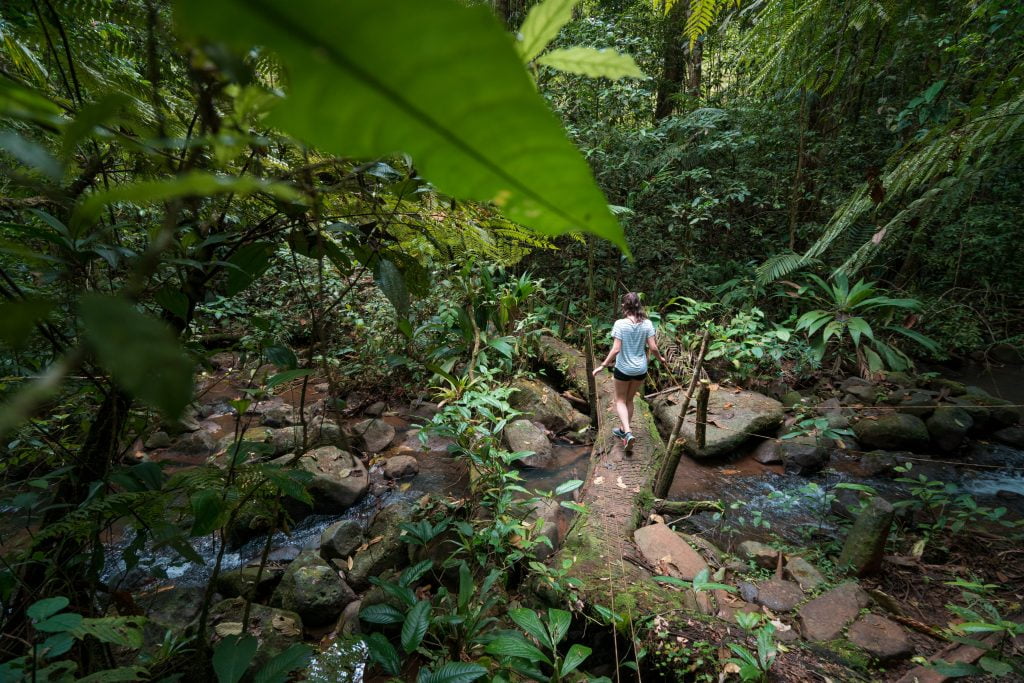
Forests, mountains, oceans, and wilderness environments activate the parasympathetic nervous system your rest-and-digest response. Exposure to natural environments reduces salivary cortisol, blood pressure, and heart rate within 20 minutes (Park et al., 2010).
The Japanese practice of shinrin-yoku (forest bathing) has been extensively studied and produces measurable immune-boosting and cortisol-lowering effects. For clients presenting with anxiety disorders or burnout, nature immersion is typically my first recommendation. Even a single night in a non-urban environment produces measurable changes in cortisol rhythm the following morning.
Adventure and Challenge Travel Best for: Depression, low self-efficacy, rumination
Completing a physical or navigational challenge in an unfamiliar environment produces a specific psychological outcome: evidence-based self-belief. Unlike affirmations or positive self-talk, the memory of having actually done something difficult is not debatable by the inner critic.
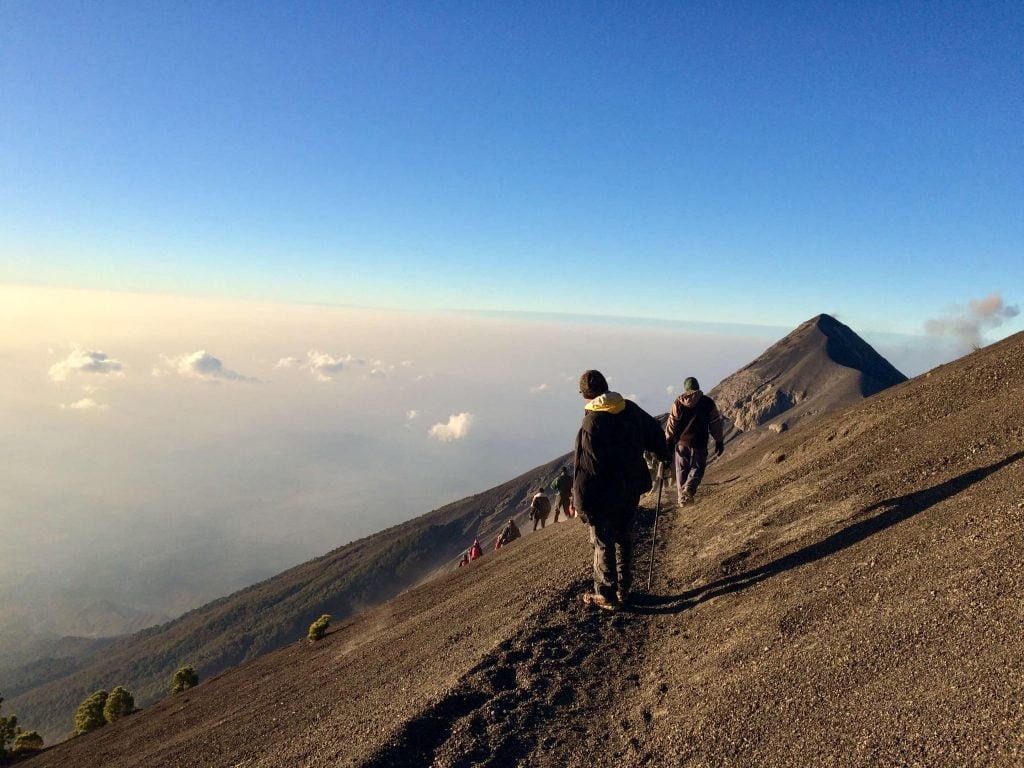
Adventure travel trekking, open-water swimming, solo navigation, high-altitude hiking produces what psychologists call “mastery experiences”: direct, embodied proof of competence. These are particularly effective for clients whose stress is rooted in chronic self-doubt or perfectionism. The discomfort is the mechanism, not a side effect.
Cultural Immersion Travel Best for: Cognitive rigidity, perspective, creative block
Deep cultural engagement staying with local families, learning even basic phrases of a foreign language, participating in local rituals or food practices challenges what psychologists call “cognitive schemas”: the mental shortcuts your brain uses to interpret the world.
When those shortcuts fail (because the social rules are different, the food is unfamiliar, the architecture defies expectation), your brain is forced to build new categories. This is cognitively demanding in the moment, but produces lasting improvements in cognitive flexibility, empathy, and the ability to tolerate ambiguity all of which are clinically associated with lower anxiety and better stress management.
Slow Travel and Mindful Travel Best for: Burnout, dissociation, chronic overwork
Slow travel staying in one place for several weeks, establishing a local routine, resisting the pressure to “see everything” is the travel style I most frequently recommend for clients presenting with burnout.
It removes the performance pressure that paradoxically makes many holidays stressful. When you are not racing between attractions, you have the psychological space to actually recover. Mindfulness integration meditation in the morning before sightseeing, reflective journaling in the evening compounds the benefit significantly in therapeutic travel.
An Applied Perspective: What I Have Observed in Practice
I want to share something I have observed repeatedly with clients, without identifying details.
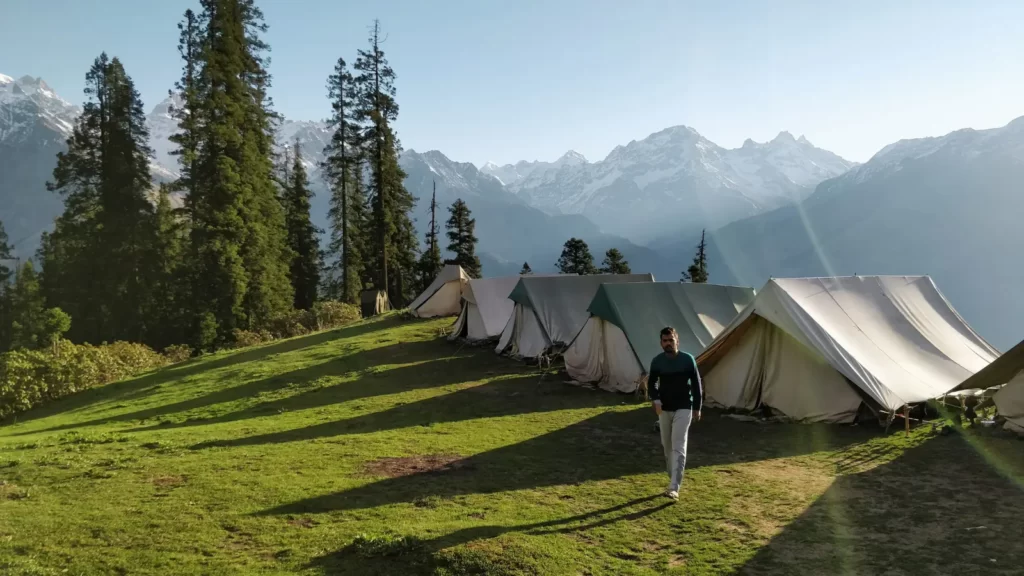
Some of the most significant psychological breakthroughs I have witnessed in 15 years of practice did not happen in a therapy room. They happened on a mountain trail, in a foreign market, at a stranger’s dinner table. Not because the setting was magical but because the removal of familiar context temporarily deactivated the client’s habitual defences.
Travel, at its most therapeutic, creates the conditions for a particular kind of honesty. When everything around you is unfamiliar, the usual distractions are absent. The phone signal is poor. The social performance pressure of home life is lifted. People in that space often encounter thoughts and feelings they have been successfully avoiding for months or years. That is not comfortable, but it is enormously productive.
This is why therapeutic travel is not the same as tourism. Tourism is consumption. Therapeutic travel is inquiry.
In the first week after return, schedule one hour to review your travel journal, identify the two or three most significant shifts in perspective or feeling you experienced, and write one specific behavior you intend to change based on those insights. This is what transforms a holiday into a therapeutic travel intervention.
The research is clear: unstructured return = rapid fade-out. Structured integration = lasting change.
Frequently Asked Questions
Is therapeutic travel the same as travel therapy (PT/OT/SLP careers)?
No. “Travel therapy” in healthcare staffing refers to physical therapists, occupational therapists, and speech-language pathologists who take short-term travel assignments across different locations. Therapeutic travel, as practiced at Mandeha, is a psycho logical intervention that uses intentional travel experiences as a tool for stress reduction, emotional recovery, and personal growth. Completely different fields, confusingly similar terminology.
How long do the stress-relief benefits of travel last?
For standard holidays, research suggests two to four weeks. For therapeutic travel with pre-departure preparation and post-return integration, the benefits can be lasting, particularly for self-efficacy gains and behavioral changes. The key variable is psychological intention, not duration of travel.
Does travel actually reduce anxiety, or does it just temporarily distract from it?
Both, depending on how you travel. Passive travel changing your location while maintaining the same mental habits is largely distraction. Intentional travel that involves novelty, psychological detachment, and active engagement produces measurable reductions in anxiety markers including cortisol, blood pressure, and self-reported anxiety scores. The difference is not what you do, but how present you are while doing it.
I cannot afford to travel right now. Is there any benefit to planning a future trip?
Yes this is one of the more surprising findings in travel psychology research. Kumar et al. (2014) found that anticipating a travel experience produces significant positive affect from the moment of booking, not just during the trip. If finances are a barrier, even planning a specific future trip in detail researching locations, building an itinerary, imagining experiences activates similar dopaminergic anticipation mechanisms. The plan itself has therapeutic travel value.
What is a travel psychologist, and how is it different from a regular psychologist?
A travel psychologist is a qualified psychologist who specialises in the psychological dimensions of travel including travel anxiety, cultural adjustment, therapeutic travel design, and the use of journey as a clinical tool. At Mandeha, we combine standard psychological assessment and evidence-based therapeutic travel approaches with expertise in how environments can be designed or leveraged for maximum therapeutic benefit.