

Quick Answer: Mindful travel tips are small, repeatable habits that help you stay present on a trip: packing with intention, slowing down, talking to locals, capturing reflections and stepping away from your phone. As a travel psychologist, I find these everyday choices shape your experience more than any single big moment.
Most people expect a trip to change them in one dramatic moment. In my work as a travel psychologist at Mandeha, I see it happen more quietly. You stop rushing a meal, you say yes to a conversation you would once have avoided, or you stay a little longer somewhere just to watch it.
These small shifts are where mindful travel tips do their best work, because they turn ordinary hours into moments you actually feel. This guide covers eight simple habits and shows you how to travel mindfully without turning your holiday into a project. If you want the wider research picture, read the psychology behind transformative travel. Here, I keep things practical.
Signs of Personal Growth While Traveling

Signs of personal growth while traveling are usually small and behavioral, not dramatic. You react differently to delays, you listen more, and you feel less need to fill every quiet gap in the day.
Travel and personal growth often go together, but growth is easier to keep when you notice it on purpose. Everyday travel transformation is less about a life overhaul and more about a handful of habits you carry home.
Personal growth here does not mean becoming a different person. It means noticing that your reactions, habits or priorities have shifted a little. A traveler who once over-planned every hour may now enjoy an unscheduled afternoon, and someone who avoided strangers may enjoy a short chat at a bus stop. These signs of personal growth while traveling are worth writing down, because they fade quickly once you are back at your desk.
Small Signs Travel Has Changed You
The small signs travel has changed you tend to appear in ordinary moments. Here are a few I hear about often from travelers:
- You stay calm when a train runs late, instead of counting the lost minutes.
- You ask a question instead of assuming you already know the answer.
- You notice details, such as the smell of a market or the light at a certain hour, without reaching for your camera.
- You come home and keep one habit, like walking without headphones.
None of this proves a lasting change, and none of it is a diagnosis. It is simply useful feedback about where your attention is going.
Notice that none of these signs depends on the destination. You can see them on a long-haul trip or on a day trip to a nearby town. What matters is the quality of your attention, which is exactly what mindful travel tips are designed to train.
8 Mindful Travel Tips
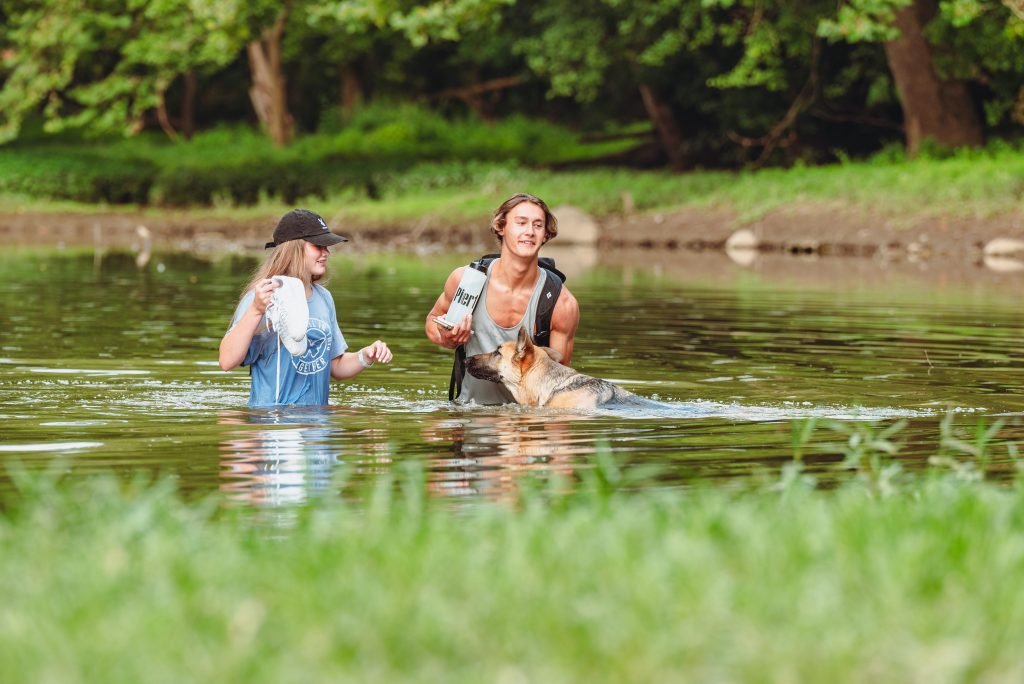
These eight mindful travel tips are habits, not rules. Pick two or three for your next trip and add more as they start to feel natural.
1. Pack Light and Pack With Intention
Packing light leaves you fewer things to manage and more attention for the place itself. Before you zip the bag, ask what each item is for.
In my experience, a heavy suitcase quietly pulls your mind toward logistics. Choose one item that helps you slow down, such as a notebook or a paperback, and leave the “just in case” extras at home.
Here is a simple test, and one of the easiest mindful travel tips to start with: lay everything out the night before and remove a third. If you cannot say why an item is coming, it probably stays home. You will be glad of that when you carry the bag up a flight of stairs.
2. Bring Your Mindfulness Routine With You
Your mindfulness routine works best when it travels with you, even in a shortened form. Five minutes of quiet breathing or a slow morning walk is enough.
If you have no routine yet, start small: notice your breath before you get out of bed, or eat your first meal of the day without a screen.
Try linking the routine to something you already do, like brushing your teeth or making tea. Habits stick better when they are attached to an existing routine, and a shortened version still counts. If a day goes wrong and you skip it, start again the next morning without judging yourself. For a plain-language overview of what mindfulness practice involves, the U.S. National Center for Complementary and Integrative Health publishes an introduction on its official website (external source).
3. Connect With Locals
Connecting with locals turns a place from scenery into a relationship, even a brief one. Ask a shop owner what they would eat, learn three phrases in the local language, and listen more than you speak.
Take a little time before you arrive to read up on respecting local culture, including greetings, dress and photography etiquette. Small courtesies open doors that a guidebook cannot.
You do not need long conversations. A greeting, a thank-you in the local language or a question about a favorite dish is enough. Curiosity is more welcome than performance, and this is a big part of how to travel mindfully: you treat the people around you as more than background.
4. Take Time to Simply Sit and Observe
Sitting and observing is the simplest way to be present in a new place. Choose a bench, a cafe or a viewpoint, put your phone away for 15 minutes, and notice what you see, hear and smell.
You do not need to feel anything special. If a day has been hectic, this pause also takes the edge off travel stress, because you stop moving for a moment and let your mind catch up.
Some travelers find it easier to give the pause a small task, such as counting five sounds or noticing three colors. Others prefer to do nothing at all. Of all the mindful travel tips here, this is the one I suggest first, because it costs nothing and you can start today.
5. Use a Simple Tool to Capture Reflections
A simple reflection habit helps you notice what a trip is doing to you while it is still happening. Write two or three lines each evening about what surprised you and what you want to keep.
Mandeha’s Tangible Travel Tool is one option, and it works as a simple tool to capture what you notice. A notebook or a notes app does the same job. The point is to look back at your own words later.
Useful prompts include: What did I notice today that I would have missed at home? What drained me, and what gave me energy? Answering in a few lines keeps the habit light. After the trip, reread your notes and pick one thing to carry into daily life, because travel and personal growth are easier to trust when you have your own words to look back on.
6. Travel with a Lighter Environmental Footprint
A lighter footprint means making choices that leave a place as good as you found it. Carry a refillable bottle, walk or use public transport where it is safe, and spend your money with local businesses.
Like the other mindful travel tips here, small choices add up, and none of them needs to be perfect. If you forget your bottle one day, buy water and move on. The goal is awareness of your impact, not guilt, and it is another part of how to travel mindfully.
Sustainable travel also supports presence, because slower, simpler choices give you more time to look around. For practical guidance, Sustainable Travel International, a nonprofit, shares resources on its official website (external source).
7. Consider a Trip Built Around Shared Purpose
Among these mindful travel tips, this is the most social one. A trip built around a shared purpose, such as a volunteering project, a learning retreat or a group journey with a common theme, gives your attention a clear focus. In my experience, people in these groups tend to have deeper conversations because everyone is there for the same reason.
Choose one that fits your values and your energy, and be honest about what you can commit to. A shared purpose does not need to be big. Even a small group with a common interest can work well.
If you travel alone, a small group trip can offer structure without taking away your independence. If you travel with friends, agree on the purpose before you go so that no one is surprised.
8. Take a Real Break From Your Phone
A real break from your phone means choosing set times to be offline, not just muting a few notifications. Try phone-free meals, a phone-free first hour in the morning and one offline afternoon.
This is practical advice, not a cure for anything, and you can still use your phone for maps, tickets and safety. The aim is to decide when you use it, instead of letting it decide for you.
A useful trick is to tell your travel companions your offline windows in advance. It removes the awkwardness and often encourages others to join in. If you need to work while away, keep those hours separate from your sightseeing hours. This is everyday travel transformation at its simplest: one small rule that changes how a day feels.
How to Be More Present While Traveling
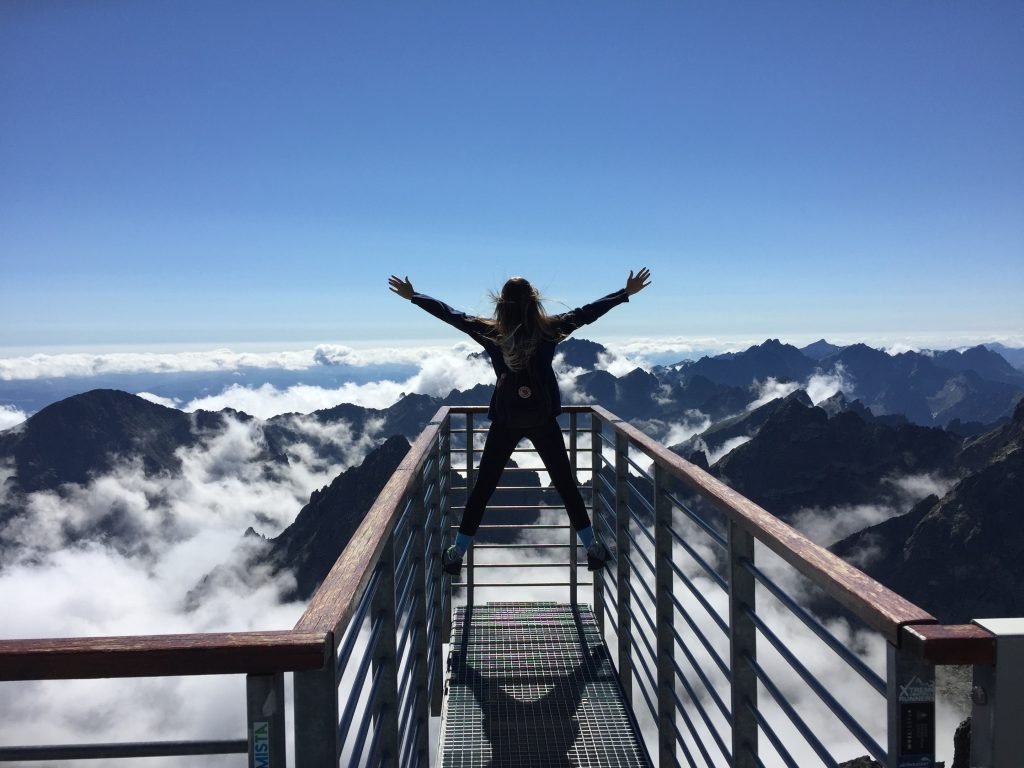
How to be more present while traveling comes down to one habit: notice where your attention is, and gently bring it back to where you are. The eight mindful travel tips above all support that single move.
If your mind wanders, that is normal, not a failure. Noticing that you drifted is the practice itself, and it is how presence and mindfulness build over time.
Preparation matters first. Packing light and choosing a lighter footprint reduce the noise before you leave. During the trip, your mindfulness routine, time with locals, quiet observation and shared purpose keep you engaged. Reflection and phone-free time help you absorb what happened.
Use this checklist to travel mindfully from start to finish, whether the trip is a week or a weekend:
| Before you go | While you’re there |
| Pack light and add one item that helps you slow down | Sit and observe for 15 minutes each day |
| Learn a few local phrases and basic etiquette | Talk with at least one local each day |
| Plan a short mindfulness routine | Keep it going, even in a shortened form |
| Decide your phone-free times | Stick to them |
| Bring a notebook or reflection tool | Write two or three lines each evening |
| Pick one eco-friendly habit | Refill, walk and buy local |
Conclusion: Mindful Travel Tips That Last
Mindful travel tips work because they are small enough to actually use. As a travel psychologist, I would rather you keep two habits for years than attempt ten for a week.
Mandeha’s work in travel psychology rests on a simple idea: how you travel matters as much as where you go.
Three key takeaways:
- Growth on a trip usually shows up as small changes in how you notice, listen and react.
- Choose two or three of the eight mindful travel tips and repeat them, instead of trying everything at once.
- Presence is a skill you practice by returning your attention, again and again.
If you would like guidance shaped around your own trip, book a consultation with a Mandeha travel psychologist.
What are the best mindful travel tips for beginners?
Start with three: pack light, sit and observe for 15 minutes a day, and keep meals phone-free. These mindful travel tips take almost no planning and make the biggest difference to how present you feel.
How to travel mindfully on a busy itinerary?
Build in short pauses instead of long blocks of free time. A five-minute breathing break or a quiet coffee between sights helps you travel mindfully even when the schedule is full.
What are the signs of personal growth while traveling?
Common signs include staying calmer when plans change, listening more and needing less noise. These are personal observations, not a diagnosis or a guarantee.
Does travel always lead to personal growth?
No. Travel and personal growth can go together, but growth is more likely when you reflect on what you notice instead of only moving through places.
How to be more present while traveling with family or friends?
Agree on a few shared mindful travel tips, such as phone-free meals or a daily walk together. Shared routines make presence easier for everyone.
Can everyday travel transformation happen on a short trip?
Yes, in small ways. A weekend is enough to practice one habit, like sitting and observing, and carry it home.